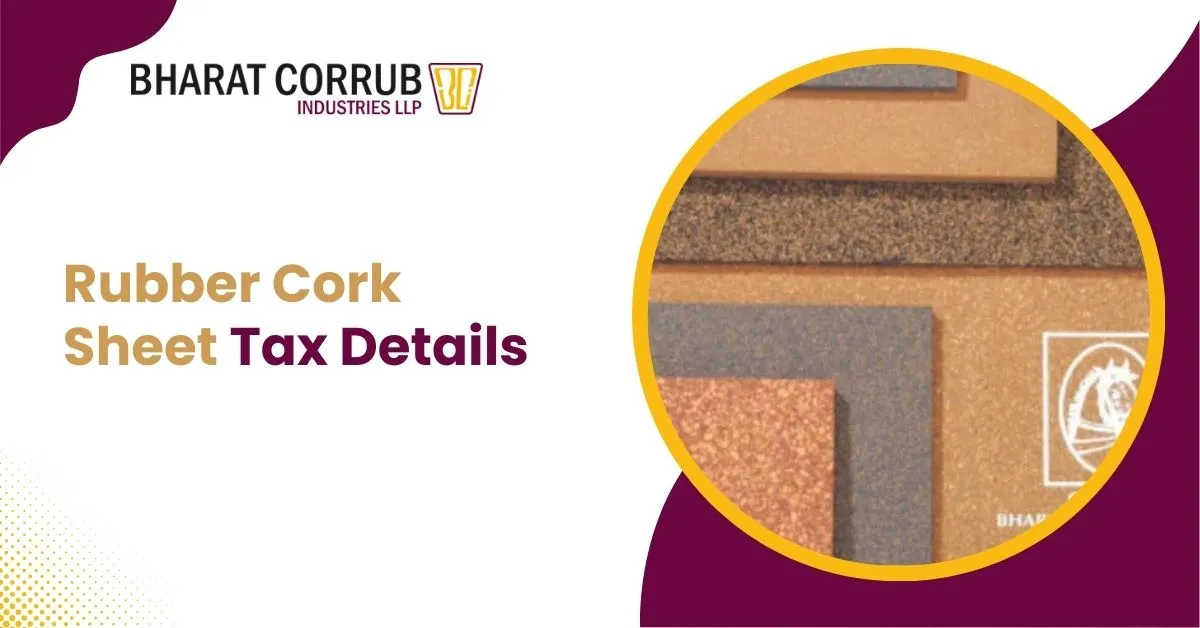
Cork sheet is a versatile, eco-friendly, and high-performance material widely used in industrial sealing, insulation,…
Frequently Asked Questions
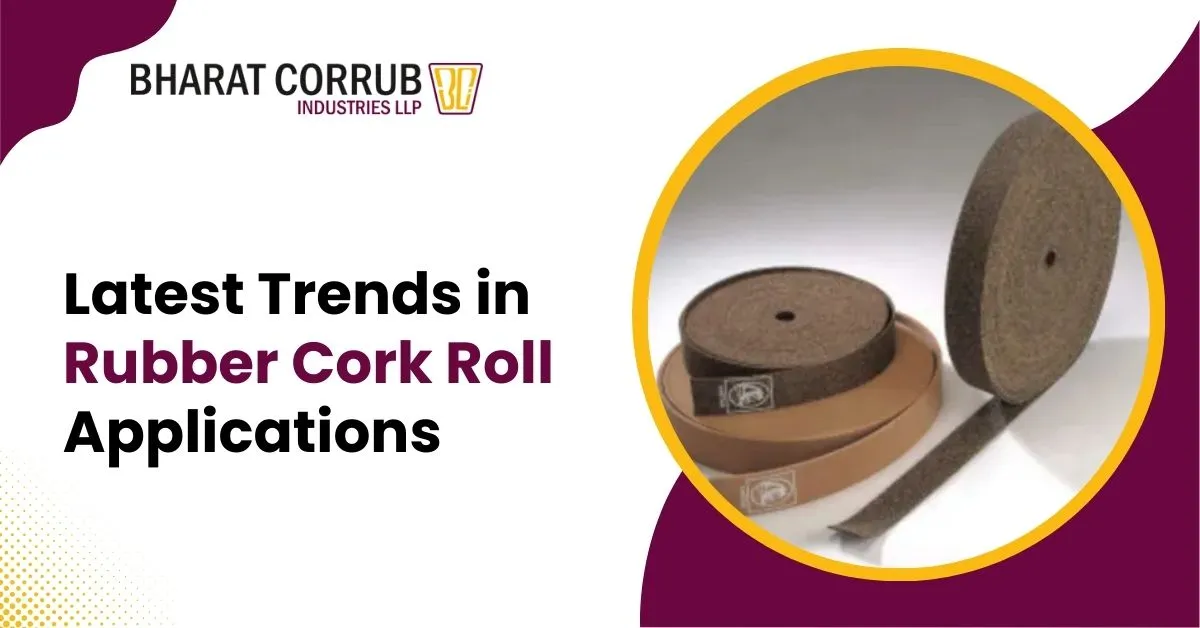
A Rubber Cork Roll is used for vibration damping, noise control, sealing, and gasket applications in industrial machinery, HVAC units, flooring underlays, electrical transformers, and automotive systems. A Rubber Cork Roll helps absorb shock and prevent vibration transmission between equipment and structures.
A Rubber Cork Roll combines cork’s natural cellular structure with rubber’s flexibility, enabling effective absorption and dissipation of mechanical energy. This makes the Rubber Cork Roll ideal for minimizing structure-borne noise, improving acoustic performance, and extending machinery life.
A Rubber Cork Roll is commonly available in thicknesses from 3mm to 12mm, with custom options depending on load, frequency range, and application. Selecting the right Rubber Cork Roll thickness is essential for optimal vibration isolation.
Yes, a Rubber Cork Roll is designed for harsh industrial use and offers resistance to oils, fuels, temperature changes, and moisture. This makes the Rubber Cork Roll suitable for pumps, compressors, transformers, and heavy-duty machinery foundations.
Absolutely. A Rubber Cork Roll is widely used in mechanical rooms, HVAC bases, flooring systems, and wall isolators due to its reliable acoustic insulation and vibration damping capabilities. A Rubber Cork Roll helps prevent noise transfer through walls and floors.
Conclusion
If your objectives include noise reduction, vibrational isolation, sustainability, and long-term durability, Rubber Cork Roll is a compelling option. Recent trends show it moving from niche gasket applications into broader roles: building acoustics, heavy equipment isolation, transportation, and sustainable construction. Evaluate load profiles, frequency content, environmental exposures, and installation logistics — then select the Rubber Cork Roll grade and format that matches those needs.

Related Posts