Rubber cork uses span a wide spectrum of industrial and commercial applications thanks to the material’s unique properties: it combines compressibility, structural resilience, and chemical resistance. One of its most common uses is in sealing gaskets, particularly for engines, transformers, pumps, and compressors where a tight seal is necessary to prevent oil or fluid leaks. Its ability to conform to uneven surfaces makes it highly effective in flanged joints and tight assemblies. Beyond sealing, rubber cork is employed in vibration control pads and cushioning components because the cork cells absorb shock while the rubber adds elasticity, reducing mechanical noise in heavy machinery or rotating equipment. It also finds application in insulation—both thermal and acoustic—because cork itself insulates well, and when combined with rubber, the composite provides added resilience and durability. In packaging and protective liners, rubber cork sheets protect delicate components thanks to their compressibility and cushioning effect. Laboratory and fermentation setups often use rubber cork in plugs and stoppers. Additionally, custom components such as tube plugs, connector pass-throughs, and custom-molded inserts are widely manufactured because of rubber cork’s flexibility and ease of fabrication. Its resistance to oils, solvents, and moderate heat further broadens its utility in sectors like automotive, electrical, construction, and industrial maintenance. As a sustainable, renewable-based composite, rubber cork is increasingly chosen for applications where both performance and environmental responsibility matter. Bharat Corrub Industries LLP’s expert manufacturing ensures that these varied rubber cork uses are available in tailored sizes, densities, and formulations to match specific operational needs.
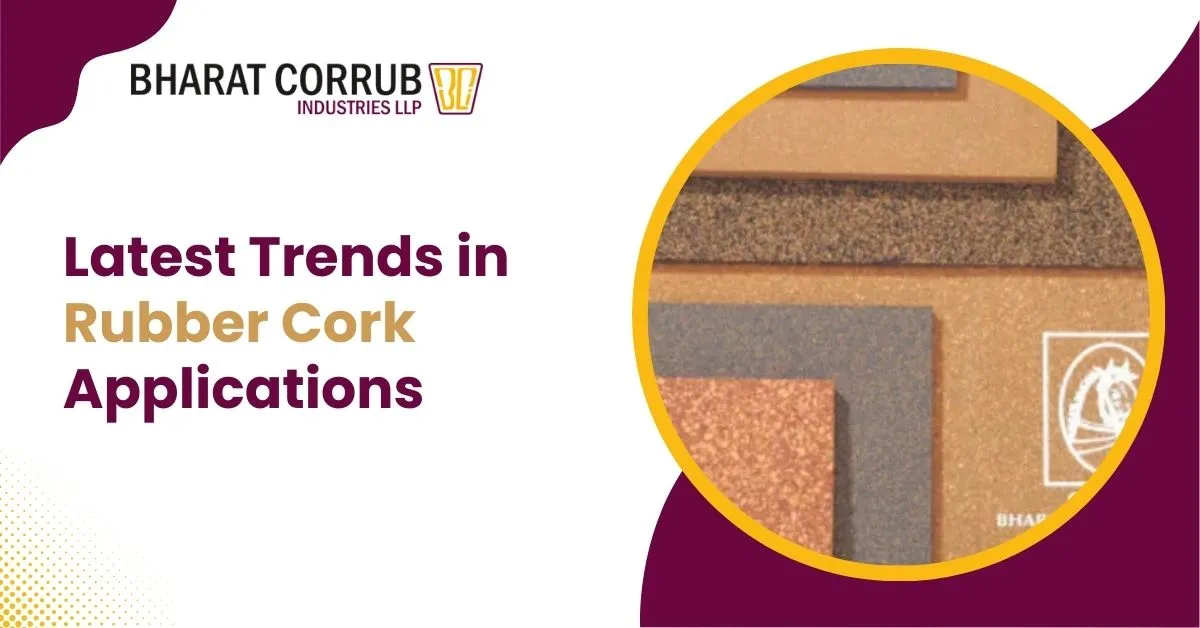
Rubber cork is rapidly emerging as a high-performance composite material across multiple industries due to its unique combination of elasticity, compressibility, durability, and sustainability. As industries focus on noise reduction, vibration control, thermal insulation, and eco-friendly materials, the demand for…
Choosing the right gasket material plays a crucial role in leak prevention, vibration control, equipment safety, and long-term reliability. In industrial environments where pumps, compressors, HVAC systems, gearboxes, and electrical enclosures operate continuously, the gasket must handle pressure, vibration, temperature…
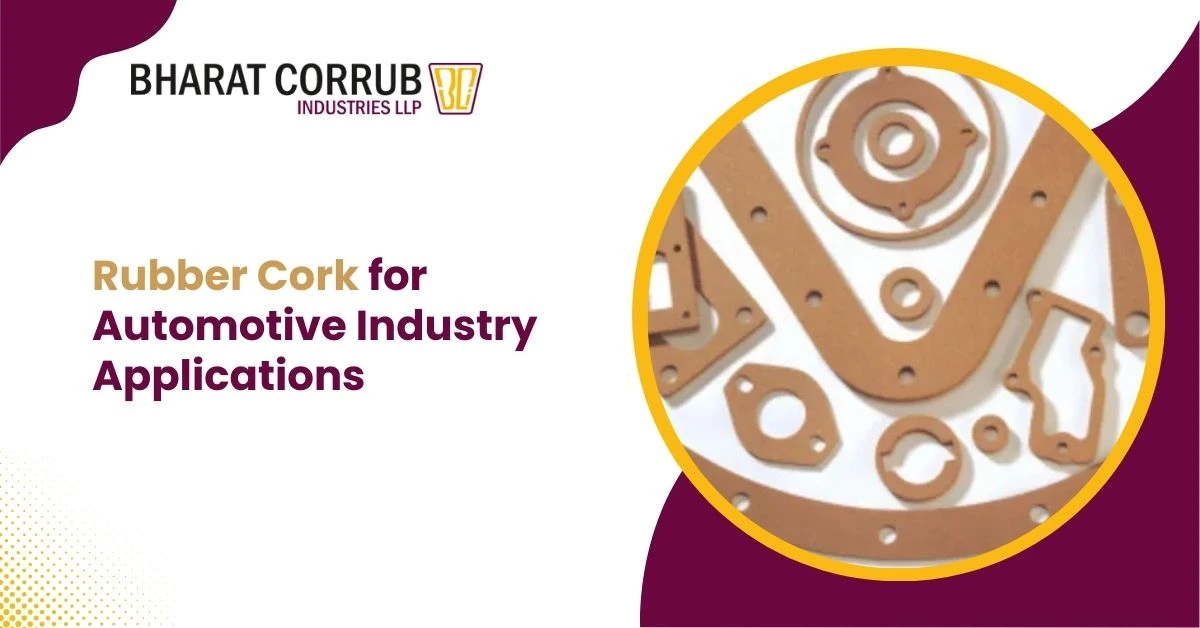
The modern automotive industry depends on materials that can handle high temperatures, constant vibration, oil, fuel, and mechanical pressure without failing. One of the most trusted materials for these demanding conditions is rubber cork. Used extensively in gaskets, seals, vibration…
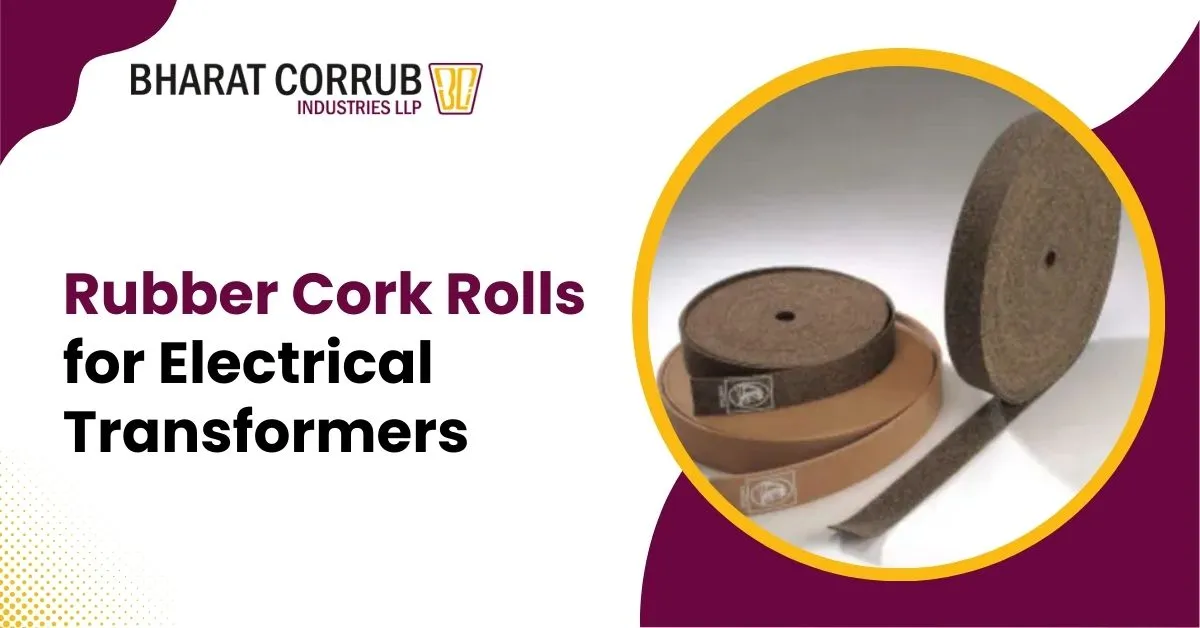
Electrical transformers operate under demanding conditions that require reliable insulation, effective sealing, and long-term durability. One of the most trusted materials used in transformer manufacturing and maintenance is rubber cork rolls. Known for their excellent oil resistance, compressibility, and electrical…
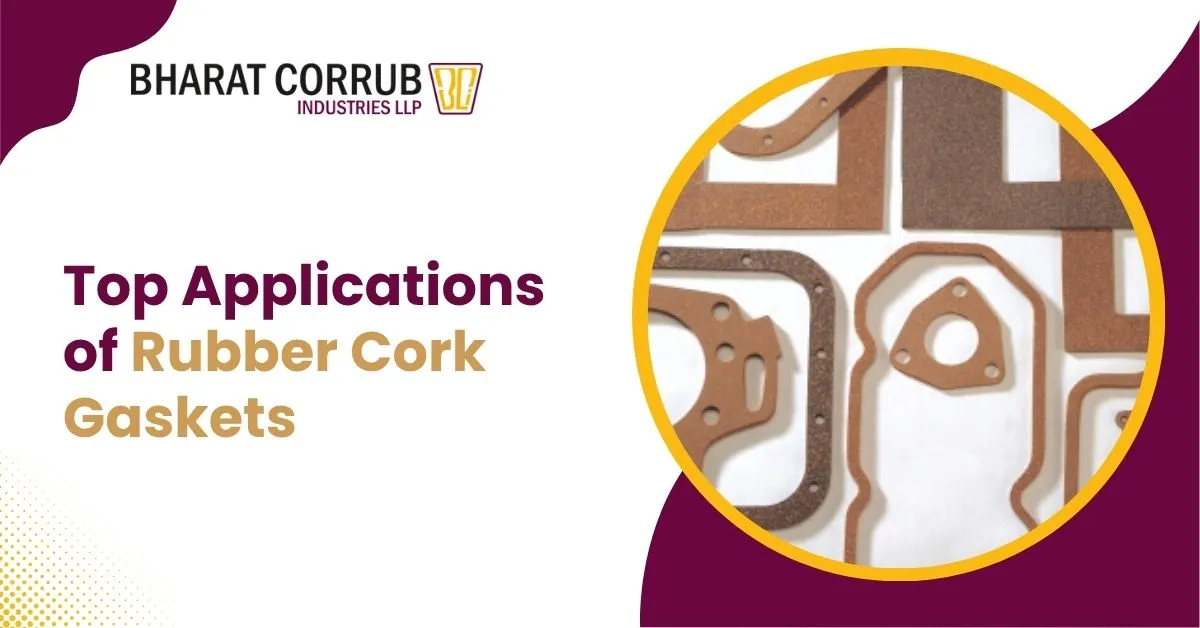
Rubber cork gaskets have become a trusted sealing solution across multiple industries thanks to their unique blend of flexibility, compressibility, and chemical resistance. Engineered by combining natural cork granules with durable synthetic rubber, these gaskets deliver reliable performance in environments…