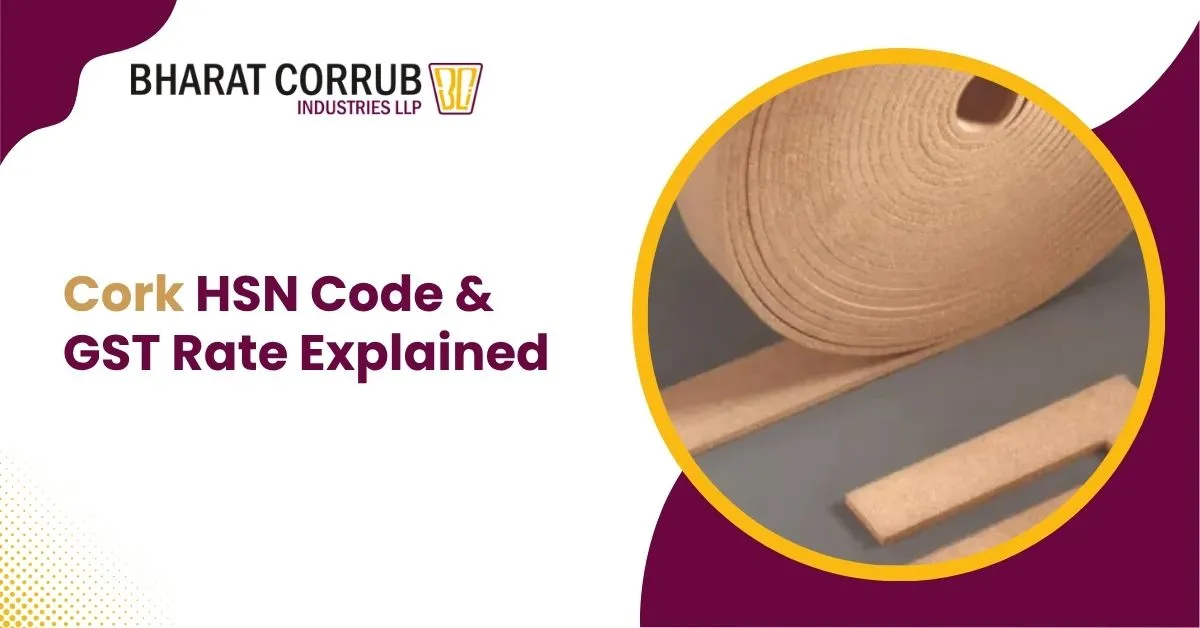
For businesses dealing with packaging, insulation, or industrial materials, understanding taxation is as important as product quality. One of the most critical aspects of GST compliance is the correct use of HSN codes. When it comes to materials like Cork, improper classification can lead to incorrect tax calculation, compliance issues, and even penalties.
Cork products are widely used in industries such as packaging, automotive, construction, and insulation. Since these products exist in different forms—raw, processed, and finished—each category falls under a different classification. This blog provides a detailed understanding of cork HSN codes, GST rates, and how businesses can apply them correctly in real-world operations.
What is HSN Code and Why It Matters?
HSN (Harmonized System of Nomenclature) is an internationally accepted system used to classify goods. In India, HSN codes are used under GST to standardize taxation across industries. Every product is assigned a specific code, which determines its tax rate and compliance requirements.
For businesses dealing with Cork, using the correct HSN code ensures:
- Accurate GST calculation
- Proper invoicing and billing
- Eligibility for input tax credit
- Smooth audits and compliance
Incorrect classification can result in overpayment or underpayment of tax, both of which can create legal and financial issues.
Cork Classification Under HSN
When dealing with Cork products, understanding their classification under HSN is essential for correct taxation and compliance. Cork and its related materials are grouped under Chapter 45 in the GST system, which covers raw, processed, and finished cork products. Proper classification helps businesses apply the correct tax rates and avoid errors in billing.
Main HSN Codes for Cork
- 4501 – Natural cork (raw or simply prepared)
- 4502 – Cork in blocks, sheets, or strips
- 4503 – Articles made from natural cork
- 4504 – Agglomerated cork and articles
Each category represents a different stage of processing. Businesses must identify the correct category based on the form in which cork is sold or used.
Understanding the Difference
- Raw cork → minimal processing
- Sheets/blocks → semi-processed
- Articles → finished products
- Agglomerated cork → engineered material
GST Rate on Cork Products
The GST rate on Cork products varies depending on the level of processing and product type. Since cork is used in different forms such as raw material, sheets, and finished goods, each category may attract a different tax rate. Understanding this variation helps businesses ensure accurate GST calculation and compliance.
Practical GST Structure
- Raw cork → approx. 5% GST
- Semi-processed cork (sheets, blocks) → approx. 12% GST
- Finished or specialized products → may go up to 18% GST
In most industrial applications, cork sheets and processed materials fall under the 12% GST category, which is the most commonly used rate.
Why GST Rate Varies
The GST rate depends on:
- Level of processing
- Product type
- End use (raw vs finished goods)
Cork Sheet HSN Code
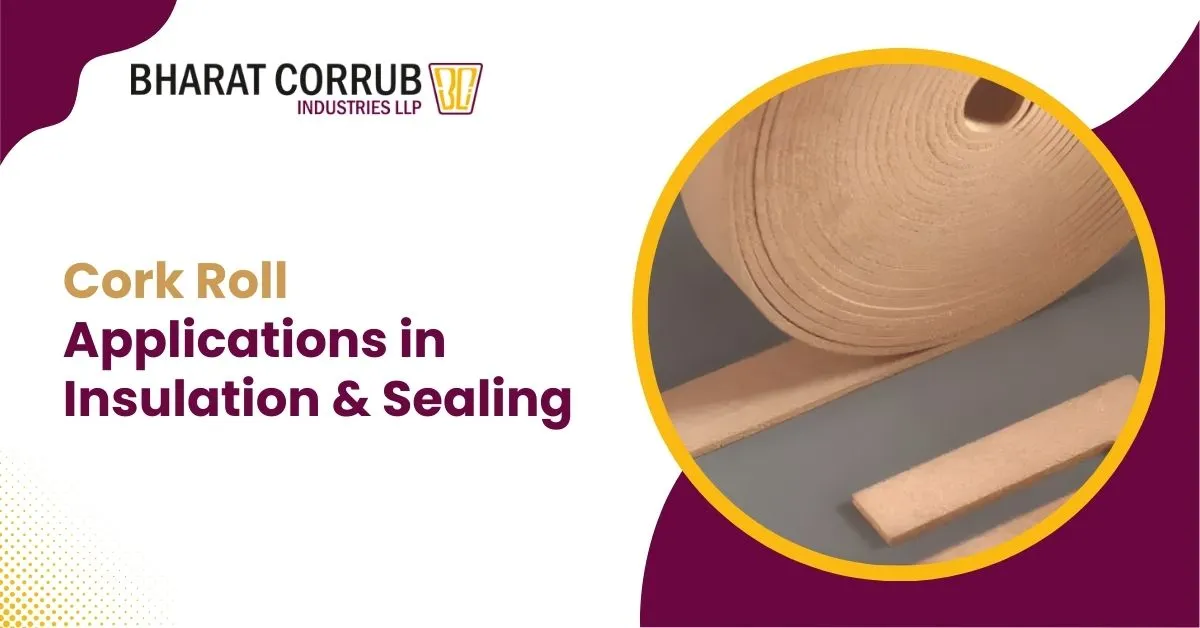
For businesses dealing with Cork sheets, correct HSN classification is important for proper invoicing and GST filing. Cork sheets are processed materials used in insulation and industrial applications, and they fall under a specific HSN category. Using the correct code ensures tax accuracy and avoids compliance issues.
Correct HSN Code
This falls under agglomerated cork, which is processed and engineered for industrial use.
Why This Classification is Important
Using the correct HSN code for cork sheets helps:
- Ensure correct GST application
- Avoid invoicing errors
- Maintain audit compliance
Businesses dealing with sheet materials should always verify this classification to prevent tax mismatches.
Corrugated Roll HSN Code
Although corrugated rolls are often used along with Cork in packaging applications, they fall under a different HSN classification. These products are categorized under paper and paperboard materials. Understanding this distinction is important to avoid incorrect GST application.
Correct HSN Category
- Chapter 48 → 4819 (Corrugated paper and paperboard products)
Key Difference
- Cork → Chapter 45
- Corrugated rolls → Chapter 48
Even though both are used in packaging, they must not be mixed under the same HSN classification.
Business Impact
Incorrect classification between Cork and corrugated materials can:
- Lead to wrong GST calculation
- Affect input tax credit
- Create compliance issues