



Cork is a versatile natural material widely used across industries due to its lightweight structure,…
- 5 minute read
- Mehul Tolia
- Product Guide
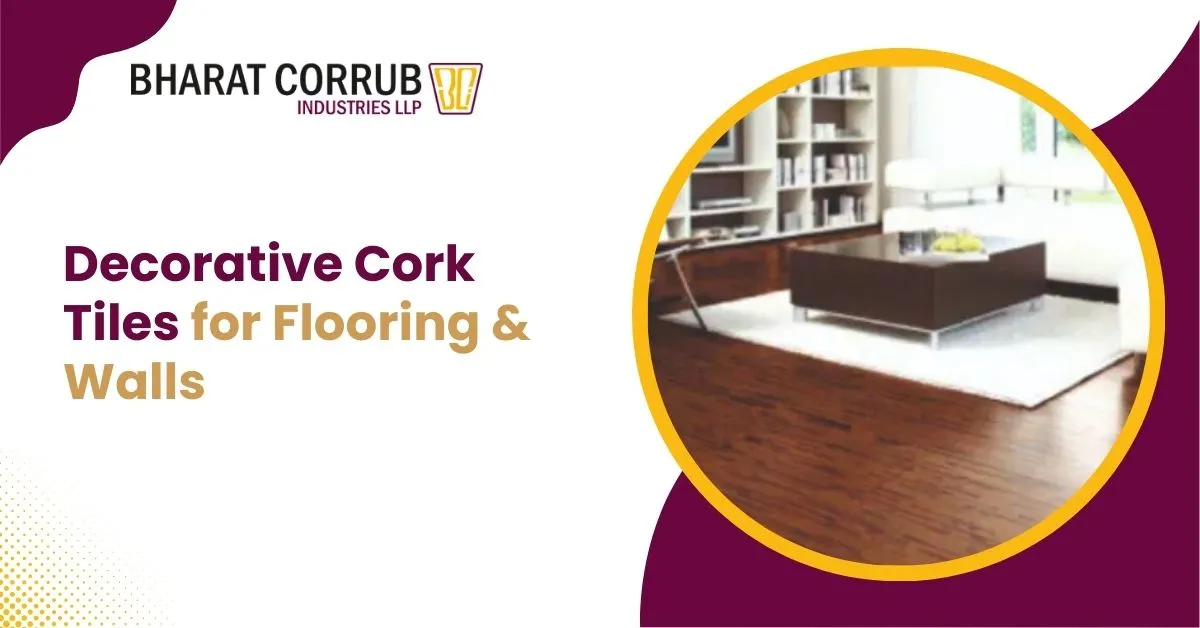
Modern interior design is increasingly focusing on materials that combine aesthetics, durability, and sustainability. Decorative cork tiles have emerged as a popular choice for both flooring and wall applications due to their natural appearance, insulation properties, and eco-friendly composition. Used in homes, offices, studios, and commercial spaces, cork tiles provide comfort, noise reduction, and long-term durability.
With growing demand for sustainable building materials, decorative cork tiles are now widely used as cork flooring tiles and cork wall panels in contemporary architecture.
What Are Decorative Cork Tiles?
Decorative cork tiles are manufactured by compressing cork granules into tiles using specialized binders. These tiles are designed for both flooring and wall installations and are available in different textures, finishes, and patterns.
Cork itself is harvested from the bark of cork oak trees, which naturally regenerate after harvesting. This makes cork one of the most sustainable and renewable materials used in interior design and construction.
Key characteristics of decorative cork tiles include:
- Natural thermal insulation
- Sound absorption capability
- Lightweight structure
- Eco-friendly composition
- Durable and long-lasting performance
Because of these features, cork tiles are commonly used in green buildings and sustainable interior design projects.
Why Decorative Cork Tiles Are Popular?
Decorative cork tiles provide both functional and aesthetic benefits, making them a preferred material for modern interior spaces.
Eco-Friendly Material
Cork is harvested without damaging the tree, allowing the bark to regenerate naturally. This makes cork a renewable resource with minimal environmental impact.
Benefits include:
- Sustainable harvesting process
- Reduced environmental footprint
- Biodegradable material
- Suitable for eco-conscious construction
Thermal Insulation
One of the biggest advantages of cork flooring tiles is their natural thermal insulation. The cellular structure of cork traps air, which reduces heat transfer.
Advantages include:
- Improved energy efficiency
- Reduced heat loss
- Comfortable flooring temperature
- Lower heating and cooling costs
Sound Absorption
Cork is widely known for its acoustic insulation properties. Decorative cork tiles help reduce sound transmission and improve indoor acoustic comfort.
They are commonly used in:
- Offices and conference rooms
- Recording studios
- Residential interiors
- Libraries and quiet workspaces
Comfortable Flooring Surface
Unlike hard flooring materials such as ceramic or stone, cork tiles provide a cushioned surface that makes walking and standing more comfortable.
Benefits include:
- Reduced pressure on joints
- Shock absorption
- Comfortable indoor flooring
- Safer environment for children and elderly people
Looking for durable decorative cork tiles for flooring or walls? Contact us today to explore high-quality cork solutions for your interior projects.
Applications of Decorative Cork Tiles
Decorative cork tiles can be used in several interior and architectural applications.
Cork Flooring
Cork tiles are widely used as flooring because they provide warmth, comfort, and durability.
Common applications include:
- Residential homes
- Offices and workspaces
- Retail spaces
- Hospitality environments
Cork Wall Panels
Decorative cork tiles are also used as cork wall panels to enhance interior aesthetics and improve acoustic performance.
Typical applications include:
- Feature walls
- Office interiors
- Studio walls
- Decorative wall panels
Acoustic Insulation
Because cork absorbs sound effectively, it is commonly used in acoustic insulation systems for buildings and studios.
Advantages of Decorative Cork Tiles
Decorative cork tiles offer several practical advantages compared to traditional flooring materials.
Some of the key benefits include:
- Sustainable and renewable material
- Excellent thermal insulation
- Effective sound absorption
- Lightweight and easy installation
- Durable and long-lasting performance
- Comfortable walking surface
- Low maintenance requirements
These benefits make decorative cork tiles a versatile solution for modern interior design.
Decorative Cork Tiles vs Other Flooring Materials
| Feature | Decorative Cork Tiles | Ceramic Tiles | Vinyl Flooring |
| Sustainability | High | Medium | Low |
| Thermal Insulation | Excellent | Low | Medium |
| Sound Absorption | High | Low | Medium |
| Comfort | Soft surface | Hard | Medium |
| Environmental Impact | Low | Medium | High |
This comparison highlights why cork tiles are increasingly used in sustainable building projects.
How to Choose Decorative Cork Tiles?
When selecting decorative cork tiles for flooring or walls, several factors should be considered.
- Tile thickness: Thicker tiles generally provide better insulation and durability.
- Surface finish: Sealed tiles are recommended for areas with heavy foot traffic or exposure to moisture.
- Texture and design: Choose textures and finishes that match the interior design theme.
- Installation method: Ensure the tiles are compatible with the installation method used for flooring or wall panels.
Selecting the right tile ensures long-term performance and visual appeal.
Frequently Asked Questions
Yes, cork tiles are commonly used for flooring because they provide comfort, insulation, and durability.
Yes, cork tiles are made from renewable cork bark, making them a sustainable building material.
Yes, cork tiles absorb sound and help reduce noise transmission in interior spaces.
Yes, decorative cork tiles are widely used as wall panels for both design and acoustic insulation.
Conclusion
Decorative cork tiles offer a unique combination of sustainability, comfort, and design flexibility. Whether used for flooring or wall applications, they provide insulation, sound absorption, and long-lasting durability.
As the demand for eco-friendly materials continues to grow, decorative cork tiles are becoming an important solution for modern interiors and sustainable construction.

Mehul Tolia
Mehul Tolia is a Partner at Bharat Corrub Industries LLP (BCI), a leading manufacturer and exporter of cork and rubber cork products in India. With nearly a decade of experience, he has been a driving force behind BCI’s business development, product innovation, and process optimization initiatives. His leadership emphasizes quality, sustainability, and customer satisfaction, helping BCI strengthen its global presence. As a member of CII Young Indians (Yi) Vadodara), Mehul is passionate about fostering industrial growth and promoting innovation within the manufacturing sector.
Related Posts
Cork roll is a highly versatile and reliable material widely used in insulation and sealing…
Cork is a natural, versatile material that has been used for centuries, yet it continues…

