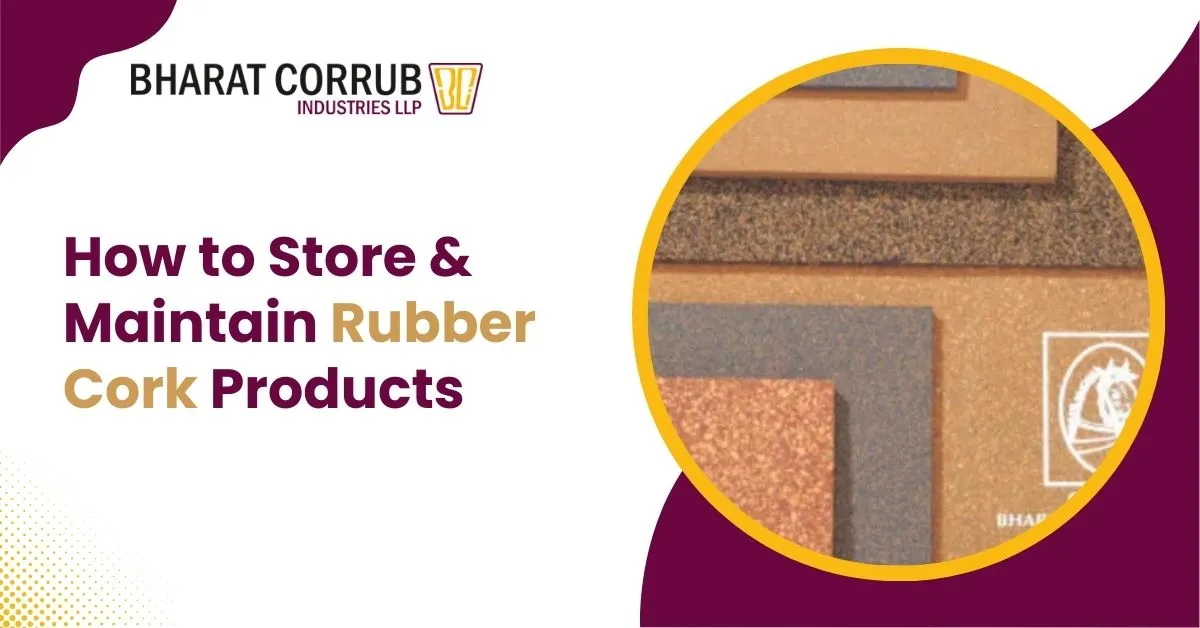
Rubber cork products are widely used across industries such as automotive, electrical, HVAC, construction, and manufacturing due to their excellent sealing, vibration damping, and insulation properties. However, improper storage or poor maintenance can significantly reduce their performance, lifespan, and reliability.
Understanding the correct storage and maintenance practices is essential for manufacturers, distributors, and end users who depend on rubber cork materials for critical applications.
What Are Rubber Cork Products?
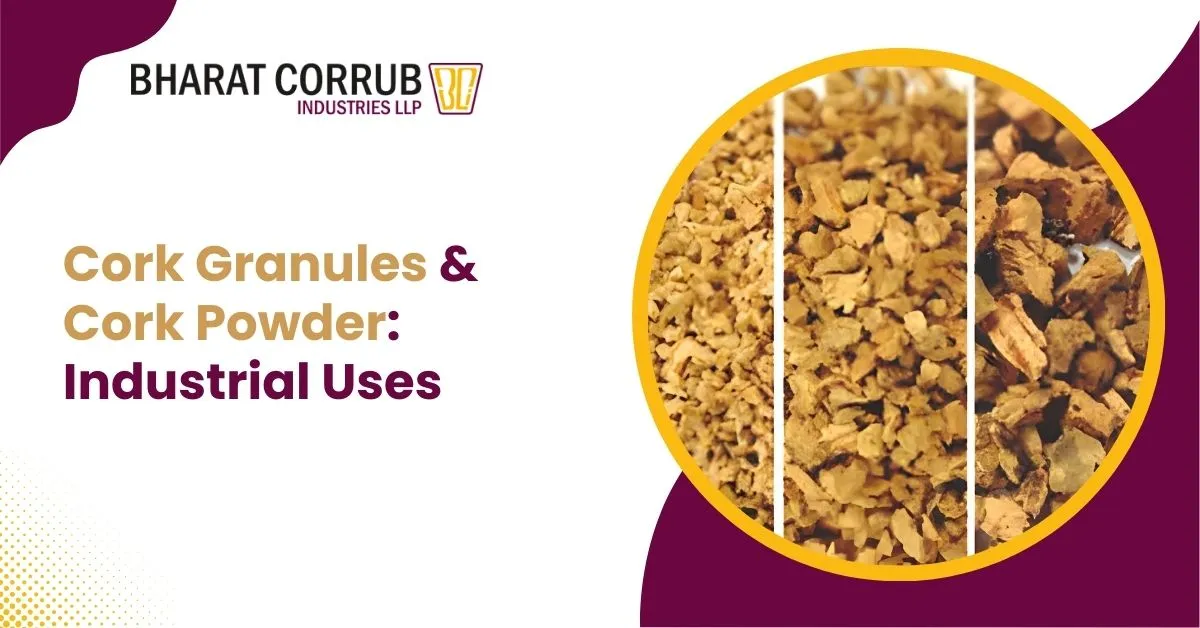
Rubber cork is a composite material manufactured by bonding natural cork granules with elastomers such as NBR, Neoprene, or EPDM. This combination offers the flexibility of rubber with the compressibility and resilience of cork.
Common rubber cork products include:
- Rubber cork sheets
- Rubber cork gaskets
- Rubber cork rolls
- Rubber cork insulation pads
Because rubber cork contains both organic cork and synthetic rubber, it is sensitive to environmental conditions and must be handled carefully.
Why Proper Storage of Rubber Cork Products Is Important?
Incorrect storage conditions can result in:
- Loss of elasticity and compressibility
- Surface cracking or hardening
- Permanent deformation
- Reduced sealing and insulation performance
Proper storage of rubber cork helps ensure:
- Extended shelf life
- Consistent physical properties
- Reliable sealing under compression
- Lower replacement and maintenance costs
Ideal Storage Conditions for Rubber Cork Products
Proper storage plays a vital role in maintaining the performance, flexibility, and service life of rubber cork products across industrial applications.
1. Store in a Cool and Dry Environment
Rubber cork products should always be stored in cool, dry, and well-ventilated areas.
Recommended storage conditions:
- Temperature range: 15°C to 25°C
- Relative humidity: Below 65%
Excessive heat accelerates rubber aging, while moisture can weaken cork granules and affect bonding.
2. Avoid Direct Sunlight and UV Exposure
Prolonged exposure to sunlight or ultraviolet (UV) radiation can cause:
- Surface cracks
- Loss of flexibility
- Premature aging
Rubber cork materials should be stored away from windows or shielded using opaque or UV-resistant packaging.
3. Keep Away from Chemicals, Oils, and Solvents
Rubber cork should never be stored near:
- Industrial oils or fuels
- Solvents and cleaning agents
- Acids or alkaline chemicals
Chemical exposure of Rubber Cork may cause swelling, softening, or chemical breakdown, particularly in oil-sensitive rubber cork grades.
4. Store Sheets Flat to Prevent Deformation
Rubber cork sheets and gaskets must be stored flat on pallets or shelves.
Avoid:
- Folding sheets
- Tight rolling
- Uneven stacking
Excessive pressure or bending of Rubber Cork can result in permanent compression set, reducing sealing effectiveness.
5. Protect from Ozone and Electrical Equipment
Ozone generated by electrical equipment such as motors, transformers, and welding machines can degrade rubber cork compounds over time.
For best results:
- Store rubber cork away from ozone-producing equipment
- Use protective packaging during long-term storage