For businesses dealing with packaging, insulation, or industrial materials, understanding taxation is as important as…
Frequently Asked Questions
Rubber cork is commonly used in gaskets, seals, vibration pads, insulation sheets, and expansion joints across automotive, industrial, and construction sectors.
Yes, rubber cork contains natural cork, making it a more sustainable option compared to fully synthetic materials.
Depending on the rubber blend used, rubber cork can offer excellent resistance to oils, fuels, and chemicals.
Specially formulated rubber cork grades can perform well under moderate to high temperatures.
Rubber cork offers long service life due to its resistance to compression set, vibration, and environmental stress.
Conclusion
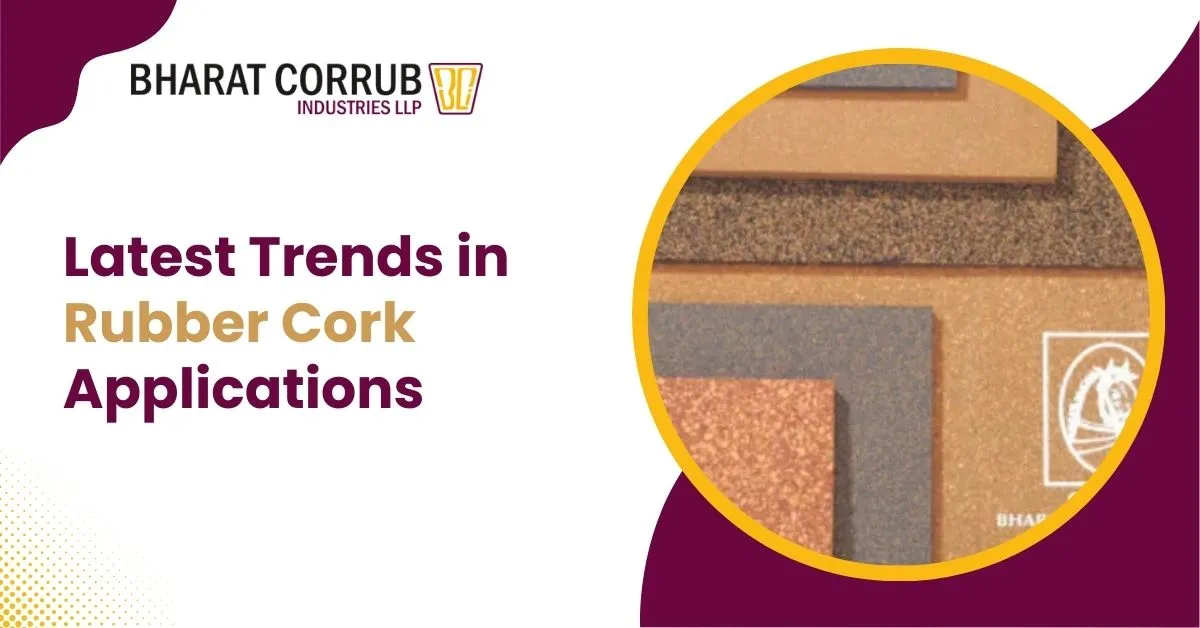
The latest trends in rubber cork applications clearly indicate a shift toward sustainable, high-performance, and custom-engineered materials. From automotive and industrial machinery to construction and electrical systems, rubber cork continues to evolve as a reliable solution for modern engineering challenges.
As industries prioritize efficiency, durability, and environmental responsibility, rubber cork is positioned to play a crucial role in future material innovation. Investing in the right rubber cork solutions ensures better performance, reduced maintenance, and long-term value.

4.
Latest Trends in Rubber Cork Applications
Related Posts