Skip to content
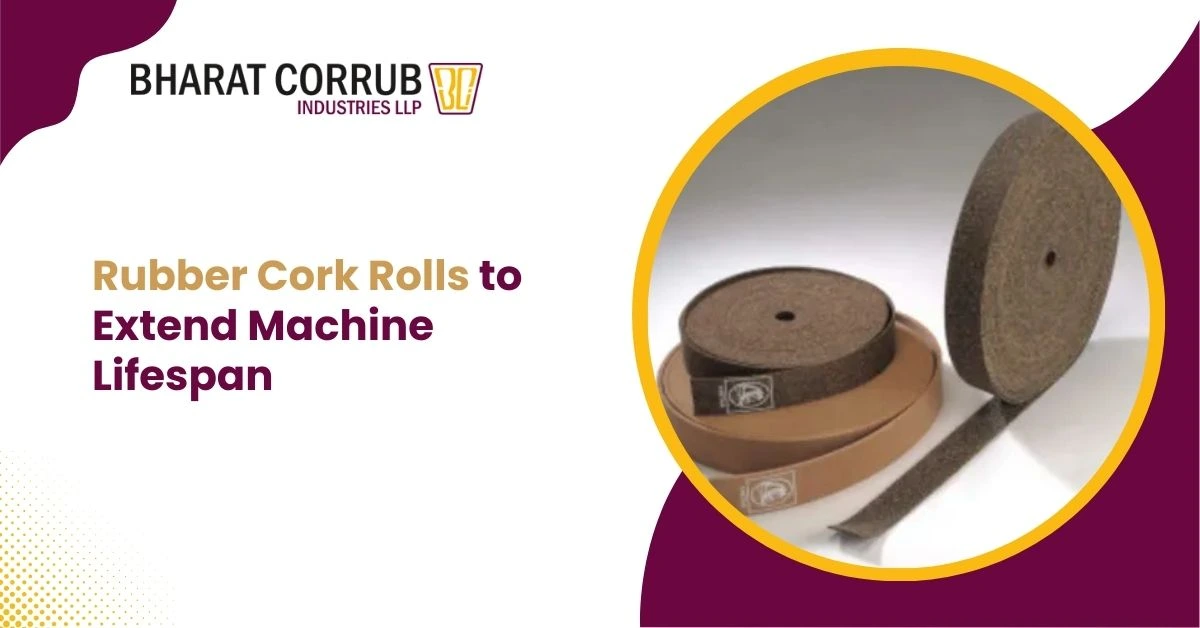
Rubber Cork Rolls to Extend Machine Lifespan

Industrial machines operate under constant stress from vibration, pressure, heat, and mechanical movement. Over time, these forces cause wear and tear that leads to breakdowns, oil leaks, loose components, and expensive maintenance. One of the most effective ways to protect machinery and improve long-term performance is by using rubber cork rolls.

Rubber cork rolls are widely used as vibration-damping sheets, gasket materials, and sealing layers because they significantly reduce mechanical stress and prevent leakage. Their ability to absorb vibration and maintain tight seals makes them a smart, cost-effective solution for extending machine life.

What Are Rubber Cork Rolls?

Rubber cork rolls are composite materials made by bonding natural cork granules with industrial rubber compounds such as nitrile, neoprene, or similar elastomers. This combination creates a material that has the soft compressibility of cork and the strength, flexibility, and chemical resistance of rubber.

The material is produced in roll form, which makes it easy to cut into:

  • Gaskets
  • Sealing strips
  • Anti-vibration pads
  • Insulation liners

Because of this flexibility, rubber cork rolls are used across a wide range of industrial machines and mechanical assemblies.

How Vibration Shortens Machine Lifespan?

Excessive vibration is one of the biggest causes of machinery failure, which is why rubber cork solutions are widely used. When a machine vibrates continuously, it creates micro-movements in components that slowly weaken the structure. This leads to:

  • Loosening of bolts and fasteners
  • Misalignment of shafts and bearings
  • Cracks in frames and housings
  • Increased friction and heat
  • Faster wear of seals and gaskets

Over time, vibration causes machines to lose efficiency and require frequent repairs, which is why rubber cork vibration isolation materials are widely used. In severe cases, it can even lead to sudden breakdowns, making proper vibration control essential in industrial equipment.

Sealing Benefits of Rubber Cork Rolls

Rubber cork rolls are also highly effective as industrial gasket materials. Many machines rely on tight seals to keep fluids, air, and contaminants under control. Rubber cork offers excellent sealing because it:

  • Compresses evenly across the entire surface
  • Fills small surface irregularities
  • Maintains pressure over time
  • Does not squeeze out under bolt load

This prevents oil leaks, air leaks, and moisture entry, which can otherwise damage internal components and reduce machine efficiency.

Where are Rubber Cork Rolls Used?

Rubber Cork rolls are used in a wide range of industrial applications because of their excellent sealing, vibration damping, and durability. These Rubber Cork materials are widely applied across multiple industries to improve equipment stability, reduce noise, and prevent leakage, including the following key areas:

  • Pumps and valves for flange sealing
  • HVAC systems for air-tight duct joints
  • Gearboxes and engines for oil-resistant gaskets
  • Electrical enclosures for dust and moisture protection
  • Manufacturing equipment for noise and shock reduction

These applications benefit from both the sealing and vibration-damping properties of rubber cork.

Need rubber cork rolls that prevent leaks and equipment wear? Contact us now!

How Rubber Cork Rolls Protect Machines?

Rubber cork rolls protect machines by acting as a barrier against vibration, shock, and leakage, which are the main causes of mechanical wear and failure. By combining the compressibility of cork with the durability of rubber, these rolls absorb harmful vibrations, stabilize moving parts, and create tight seals between components. This helps reduce stress on machinery, prevent damage, and maintain smooth, efficient operation over time.

Machine AreaCommon IssueHow Rubber Cork Helps
Machine basesExcess vibrationAbsorbs shock and stabilizes equipment
Flange jointsFluid leakageCreates a tight and lasting seal
EnclosuresDust and moistureBlocks environmental contaminants
CompressorsNoise and movementReduces vibration and sound
GearboxesOil seepageMaintains pressure and prevents leaks

How to Choose the Right Rubber Cork Roll?

Choosing the correct rubber cork roll is important for best performance. Consider the following factors:

  • Type of fluid exposure – For oil or fuel contact, use oil-resistant grades
  • Operating temperature – Ensure the material can handle heat or cold
  • Compression load – Heavier machines need higher-density material
  • Thickness – Thicker sheets for vibration pads, thinner for gaskets
  • Application – Sealing, vibration control, or insulation

Selecting the right grade ensures long-term durability and better machine protection.

Frequently Asked Questions

Rubber cork rolls are used to create gaskets, vibration isolation pads, sealing strips, and insulation layers in industrial machinery. They help reduce noise, prevent leakage, and protect equipment from mechanical stress.

Rubber cork rolls absorb vibration and shock, which reduces wear on machine parts. They also create tight seals that stop oil, air, and dust from entering sensitive areas, helping machines operate more smoothly and efficiently.

Yes. Many rubber cork rolls are manufactured with oil-resistant rubber compounds, making them suitable for use in engines, pumps, compressors, and other equipment exposed to lubricants and fuels.

Yes. Rubber cork rolls can be easily cut, die-cut, or CNC-cut into custom gaskets, pads, and strips to match specific machine designs and sealing requirements.

Rubber cork rolls have a long service life because they maintain their compression and sealing ability even after repeated loading, vibration, and exposure to industrial conditions.

Conclusion

Rubber cork rolls are a powerful yet practical solution for improving machine reliability and extending equipment lifespan. Their unique combination of cork’s natural compressibility and rubber’s durability allows them to perform two critical functions at once: absorbing vibration and creating dependable seals. By reducing mechanical shock, stabilizing machine components, and preventing leaks of oil, air, and moisture, rubber cork rolls help protect vital parts from premature wear and damage.

In demanding industrial environments, where machines operate continuously under pressure and vibration, this protection makes a measurable difference. Fewer leaks mean cleaner operation, while lower vibration means less stress on bearings, fasteners, and housings. Together, these benefits translate into lower maintenance costs, reduced downtime, and longer-lasting equipment. Choosing rubber cork rolls is therefore not just a sealing decision—it is a smart investment in the long-term performance, safety, and efficiency of industrial machinery.

Mehul Tolia is a Partner at Bharat Corrub Industries LLP (BCI), a leading manufacturer and exporter of cork and rubber cork products in India. With nearly a decade of experience, he has been a driving force behind BCI’s business development, product innovation, and process optimization initiatives. His leadership emphasizes quality, sustainability, and customer satisfaction, helping BCI strengthen its global presence. As a member of CII Young Indians (Yi) Vadodara), Mehul is passionate about fostering industrial growth and promoting innovation within the manufacturing sector.

Back To Top