Explore detailed insights into how is made, including raw material selection, mixing, calendaring, curing, and finishing processes. This tag helps readers understand how manufacturing methods influence durability, flexibility, thickness consistency, and industrial performance.
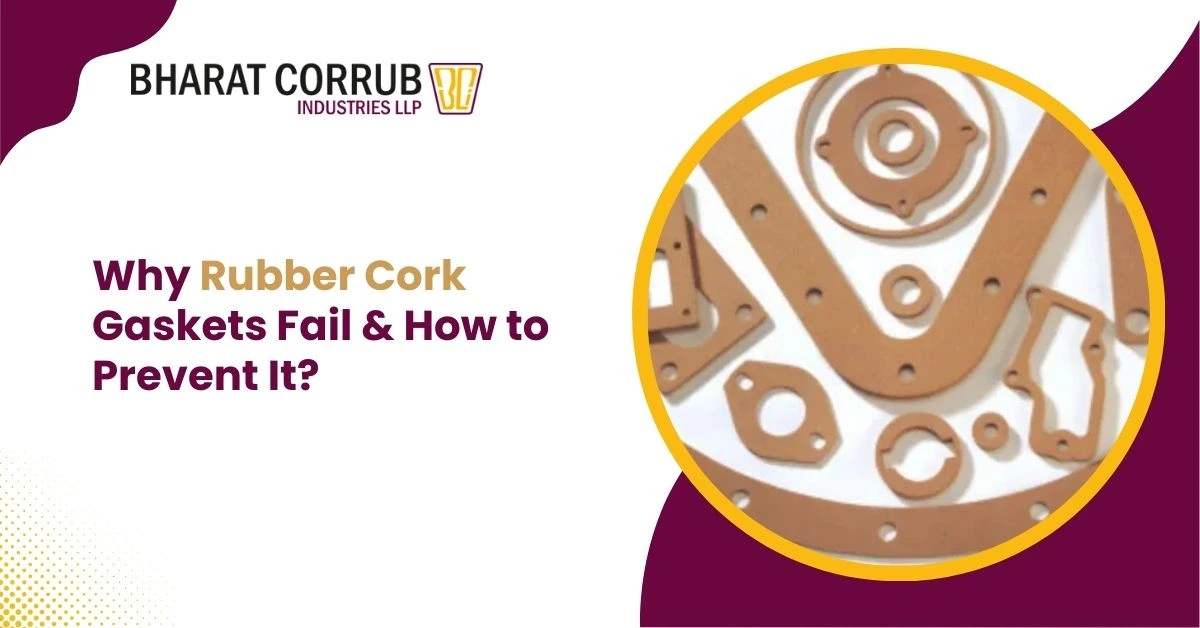
Rubber cork gaskets are widely used in flanges, pumps, compressors, HVAC systems, and industrial enclosures because they provide excellent sealing, vibration damping, and low squeeze-out. However, when rubber cork gaskets fail, they can cause leaks, pressure loss, equipment damage, and…
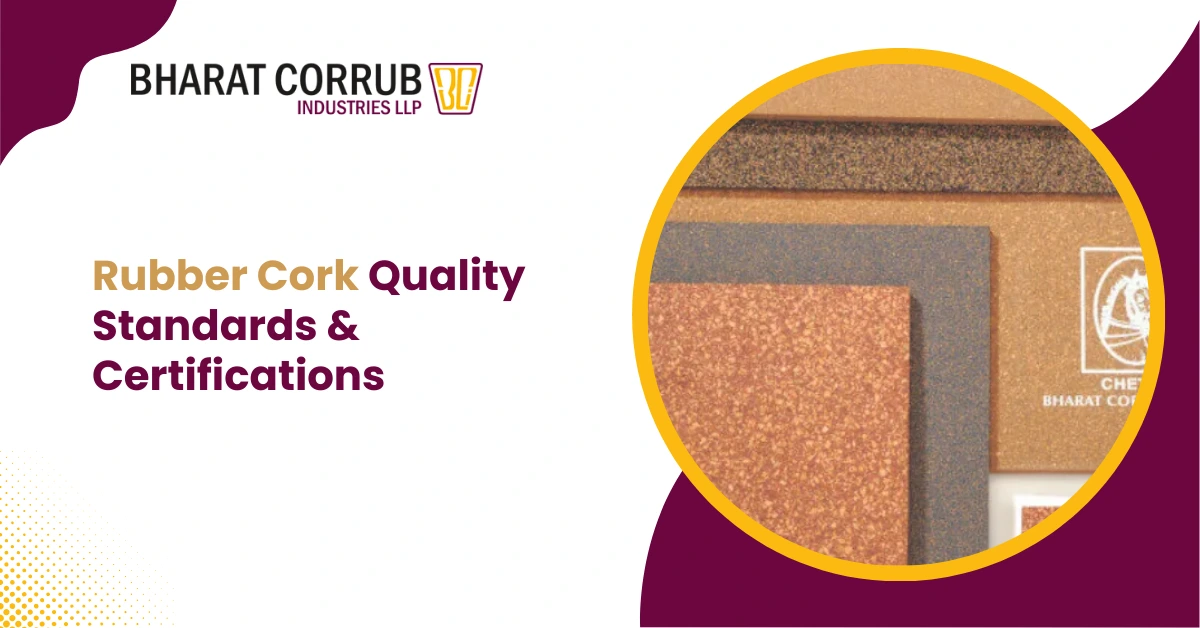
Rubber cork is widely used in industrial gaskets, sealing sheets, vibration isolation pads, HVAC flanges, pumps, compressors, and electrical enclosures. But performance depends on consistency—so buyers often ask about rubber cork quality standards and certifications before approving a supplier. The…
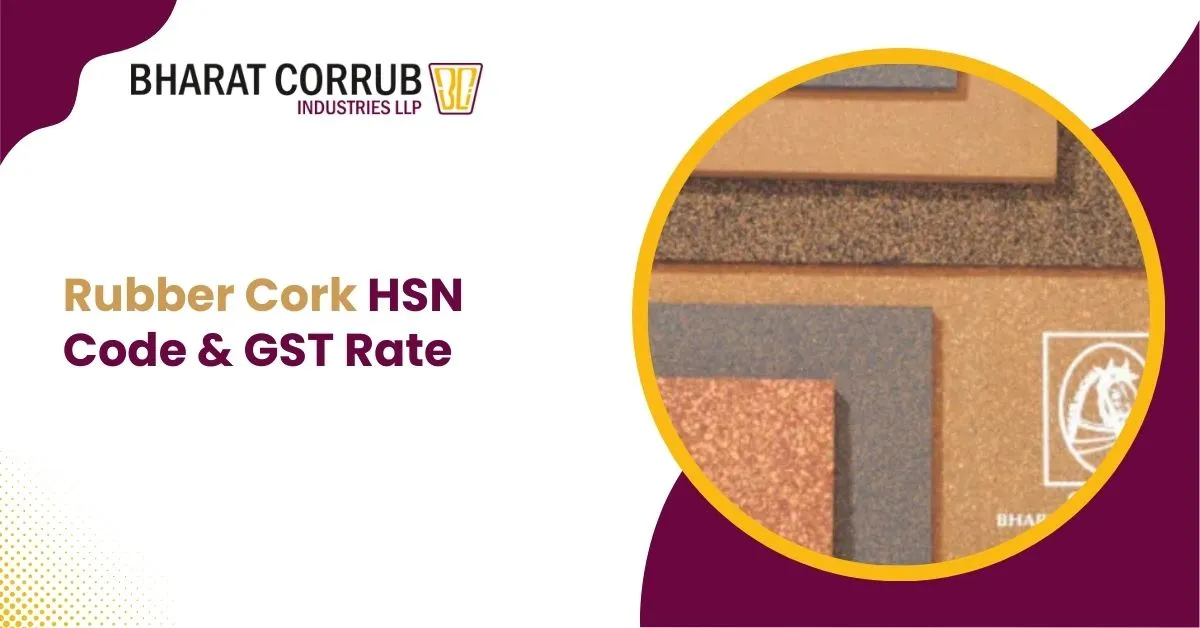
If you deal in rubber cork sheets, rubberised cork gaskets, sealing strips, or vibration pads, using the correct HSN code and GST rate is extremely important for accurate invoicing, GST returns, and input tax credit (ITC). Rubber cork is a…
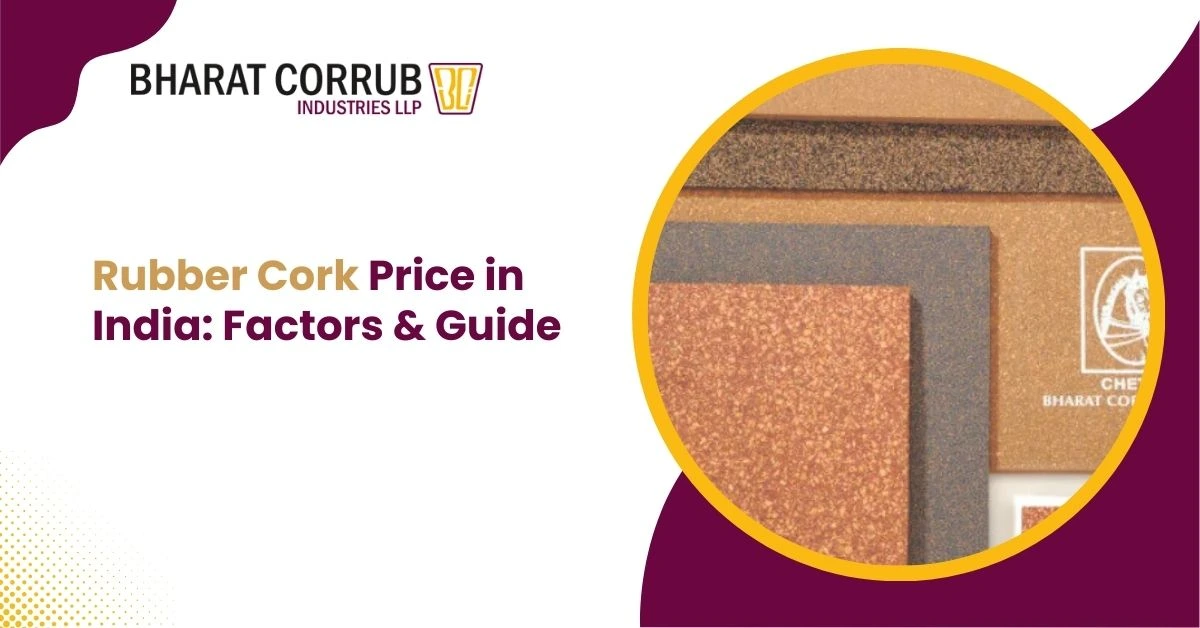
Rubber cork is widely used for gaskets, sealing sheets, vibration isolation pads, HVAC flange seals, compressors, pumps, and electrical equipment. If you’re searching for rubber cork price in India, you’ll quickly notice that prices vary a lot—because rubber cork is…
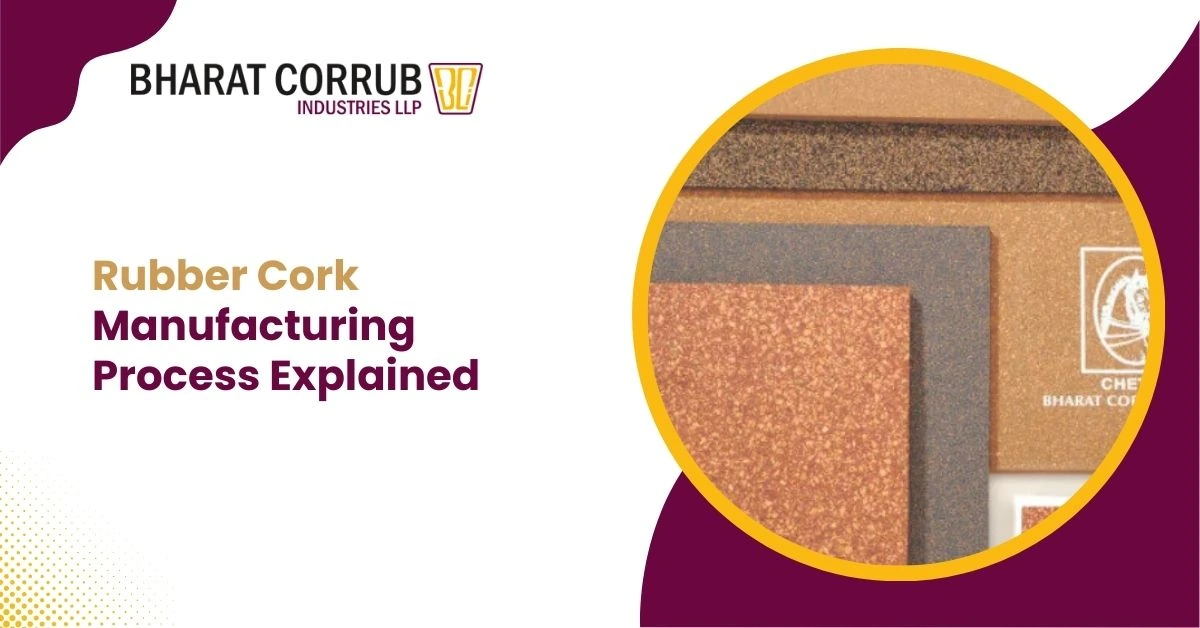
Rubber cork is a high-performance composite used for industrial gaskets, vibration isolation pads, sealing strips, and noise-control materials. Its unique properties come from a carefully controlled manufacturing process that combines natural cork and rubber into a durable, flexible, and reliable…
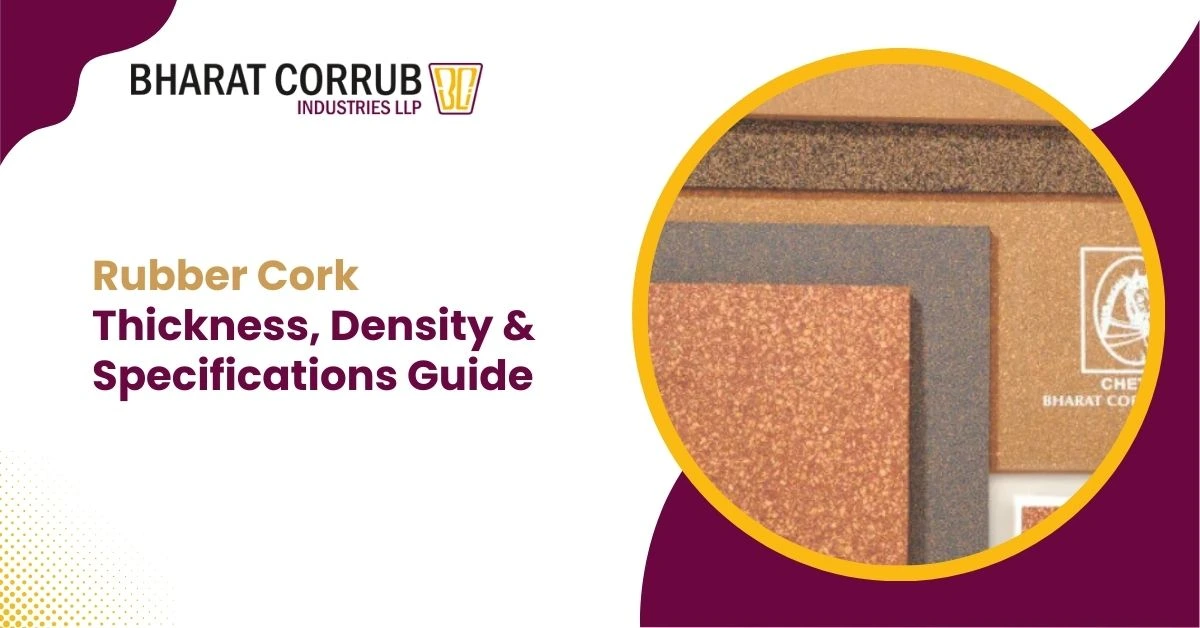
Rubber cork is one of the most trusted materials for industrial sealing, vibration isolation, and acoustic control. But to get the best performance, it is important to choose the correct rubber cork thickness, density, and technical specifications. Selecting the wrong…
Rubber cork is one of the most widely used industrial sealing and vibration-damping materials. It is used in gaskets, pads, strips, and sheets for pumps, compressors, HVAC systems, electrical panels, and machinery. However, not all rubber cork is the same…