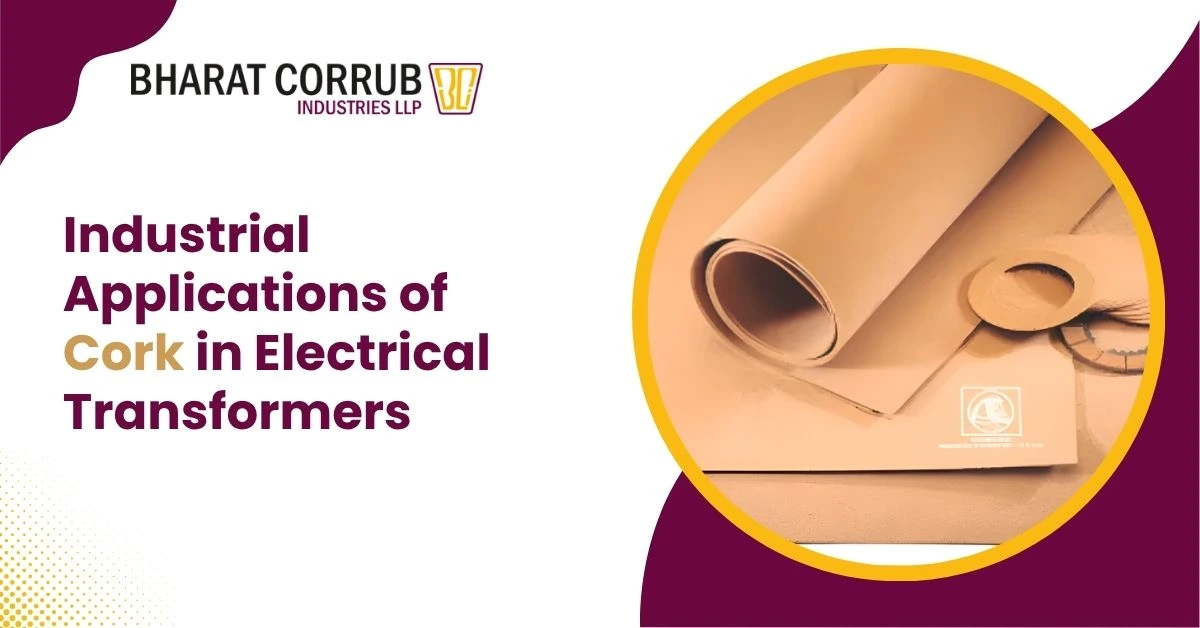
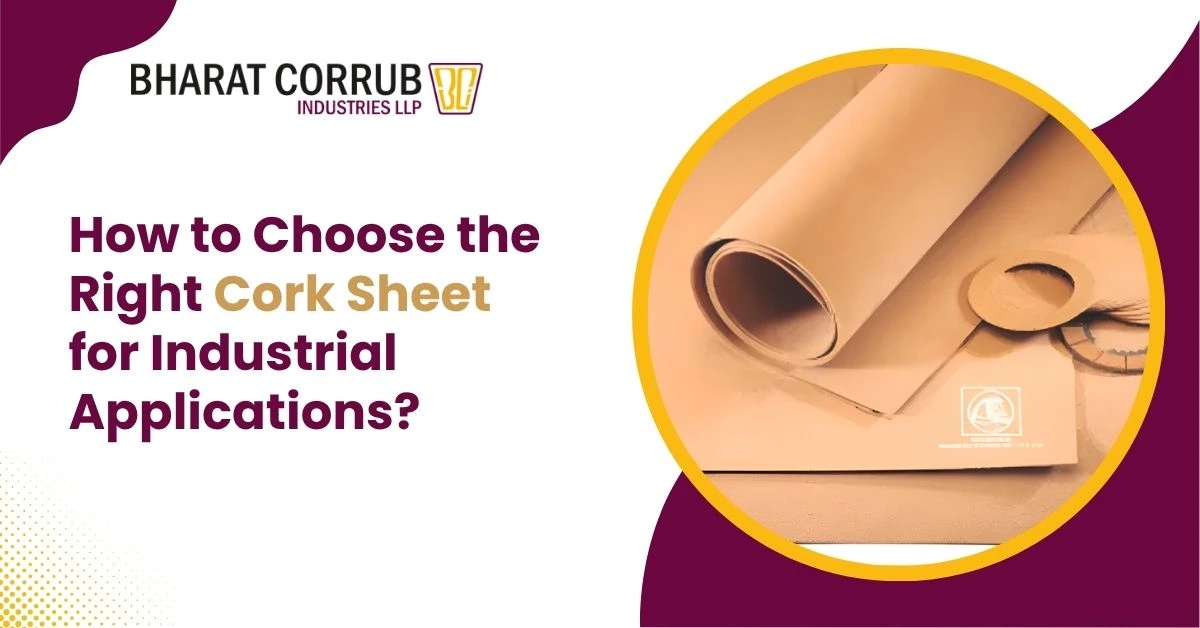
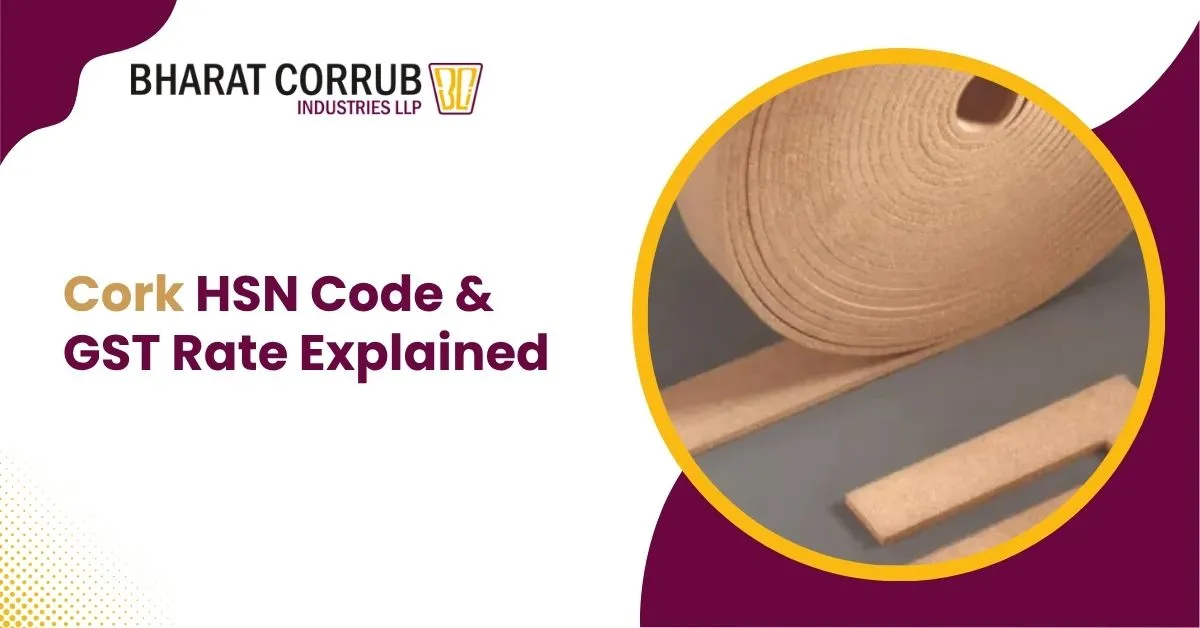
Electrical transformers operate under demanding conditions where proper insulation, sealing, and vibration control are essential for reliable performance. Cork is widely used in Electrical transformer applications because of its natural compressibility, flexibility, and resistance to oil and temperature variations. These properties make it highly effective in maintaining stability and preventing operational issues.
In industrial environments, Cork plays a crucial role in improving transformer efficiency and durability. It helps reduce mechanical stress, ensures proper sealing, and enhances insulation performance. By using the right type of cork, industries can improve equipment reliability and reduce maintenance requirements over time.
What is Cork and Why it is Used in Electrical Transformers?
Cork is a natural material with a unique cellular structure that allows it to compress under pressure and return to its original shape. This flexibility makes it highly suitable for applications where sealing and cushioning are required. Its lightweight nature and resistance to environmental conditions further enhance its industrial usability.
In transformers, Cork is used because it provides multiple benefits such as insulation, vibration absorption, and sealing. It helps prevent oil leakage, reduces heat transfer, and minimizes mechanical vibrations during operation. These combined properties make cork a reliable and efficient material for transformer systems.
Why Cork is Used:
- Excellent compressibility and recovery
- Strong thermal and electrical insulation
- Resistance to oil and chemicals
- Effective vibration absorption
- Long service life in industrial environments
Key Industrial Applications of Cork in Electrical Transformers
Cork is commonly used in transformer gaskets where tight sealing is required to prevent leakage of insulating oil. Its compressibility allows it to adapt to uneven surfaces, ensuring a secure seal even under pressure. This makes it highly effective in maintaining the integrity of transformer components.
Apart from sealing, Cork is also used for insulation and vibration control within transformer assemblies. It absorbs mechanical vibrations and reduces operational noise, while also acting as a thermal barrier. These applications improve both the performance and lifespan of transformer systems.
Main Applications:
- Gaskets for sealing transformer tanks and joints
- Insulation pads to reduce heat transfer
- Vibration damping layers between components
- Spacer materials for structural stability
- Oil-resistant sealing elements
Important Properties of Cork for Transformer Use
The effectiveness of Cork in transformers depends on its key material properties such as elasticity, insulation capability, and resistance to oil. Its ability to compress and recover ensures consistent sealing performance over time, even under changing load conditions.
Additionally, Cork offers low thermal conductivity and good electrical insulation, which helps maintain safe operating conditions. Its durability and resistance to environmental factors make it suitable for long-term industrial applications without frequent replacement.
Key Properties:
- High compressibility with recovery
- Thermal and electrical insulation
- Resistance to oil and moisture
- Lightweight and durable structure
- Effective vibration absorption
How Cork Improves Electrical Transformer Performance?
The use of Cork improves transformer performance by ensuring proper sealing and insulation throughout the system. It prevents leakage of insulating oil, which is essential for maintaining cooling and efficiency. This helps avoid energy loss and ensures consistent operation.
At the same time, Cork reduces vibration and mechanical stress within the transformer. This minimizes wear and tear on internal components, leading to longer equipment life. By improving both efficiency and durability, cork plays a vital role in transformer performance.