Cork is known for its natural resistance to moisture and liquids due to its unique cellular structure. Although cork can absorb a small amount of water over time, it is naturally resistant to water penetration. Each cork cell contains a waxy substance called suberin that helps repel moisture and prevent liquid absorption. This property makes cork materials suitable for insulation, sealing, flooring, and industrial applications where moisture resistance is important. Cork granules, cork sheets, and cork powder are commonly used in environments where durability and moisture protection are required. Because of its natural resistance to water and mold growth, cork remains a popular material for construction, packaging, and insulation solutions.
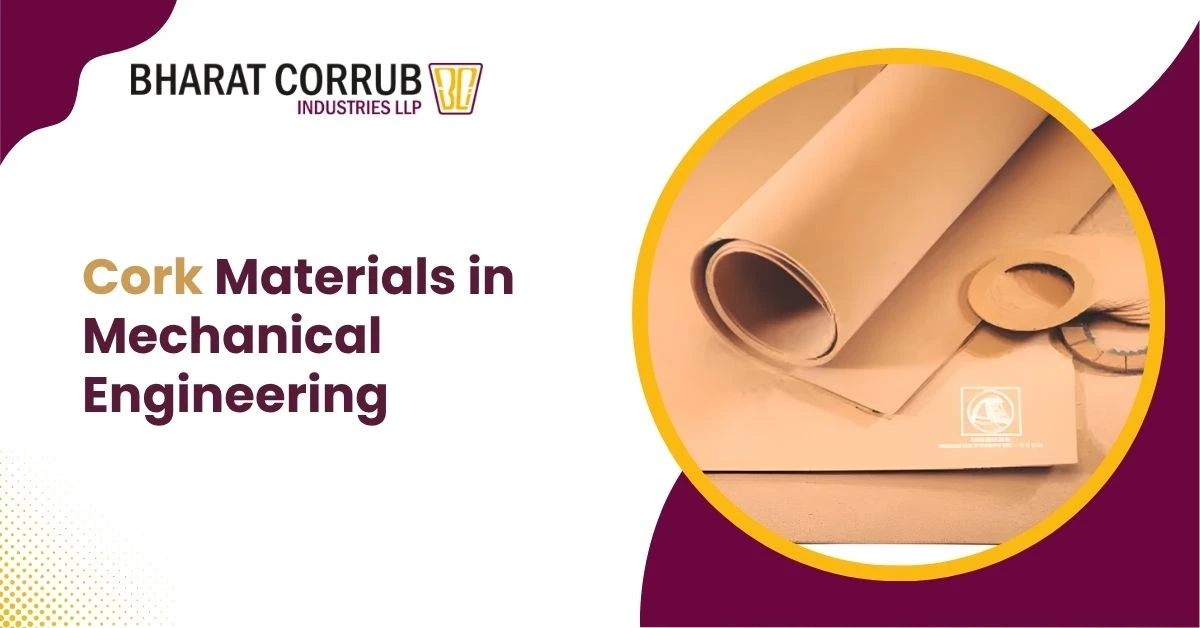
Mechanical engineering relies on materials that can provide durability, vibration control, insulation, and long-term performance under demanding operating conditions. Engineers continuously evaluate materials based on their physical properties, reliability, and suitability for specific applications. Selecting the right material can significantly…
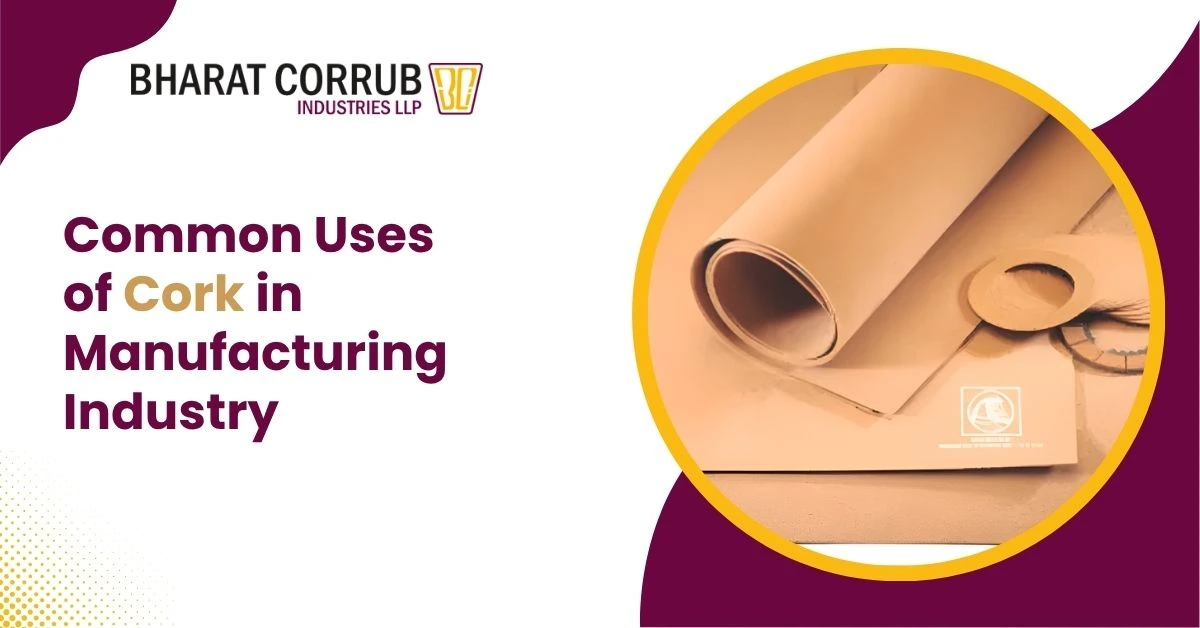
The manufacturing industry depends on materials that can perform reliably under pressure, temperature variations, and continuous mechanical stress. Cork has become a widely used material in this sector because of its natural flexibility, compressibility, and insulation properties. Its unique cellular…
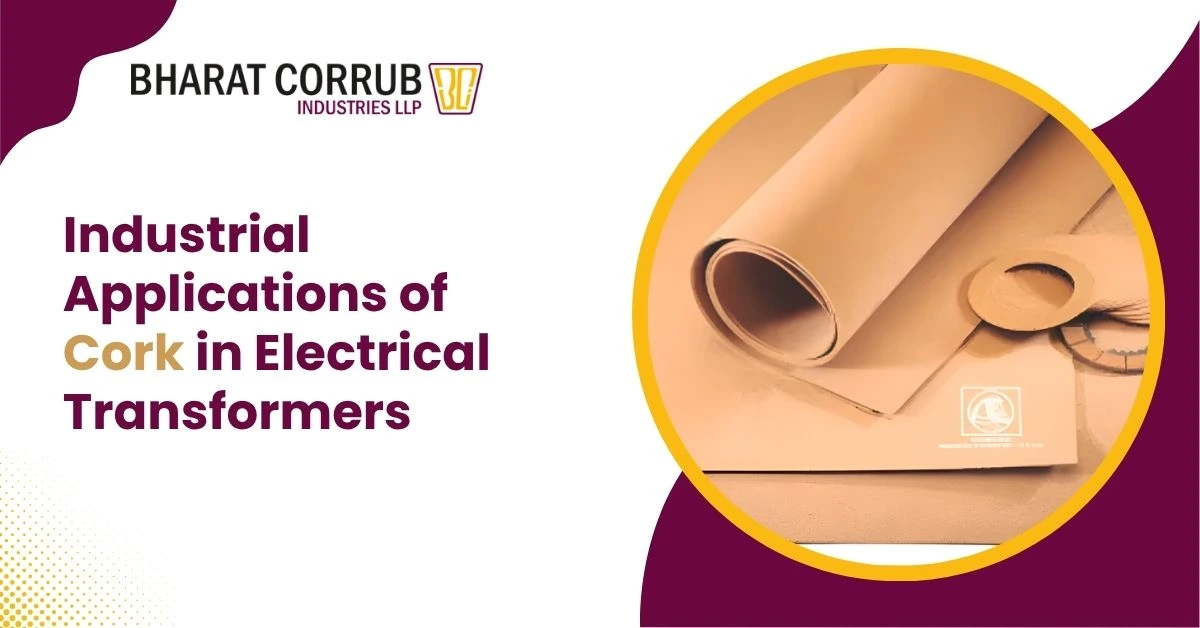
Electrical transformers operate under demanding conditions where proper insulation, sealing, and vibration control are essential for reliable performance. Cork is widely used in Electrical transformer applications because of its natural compressibility, flexibility, and resistance to oil and temperature variations. These…
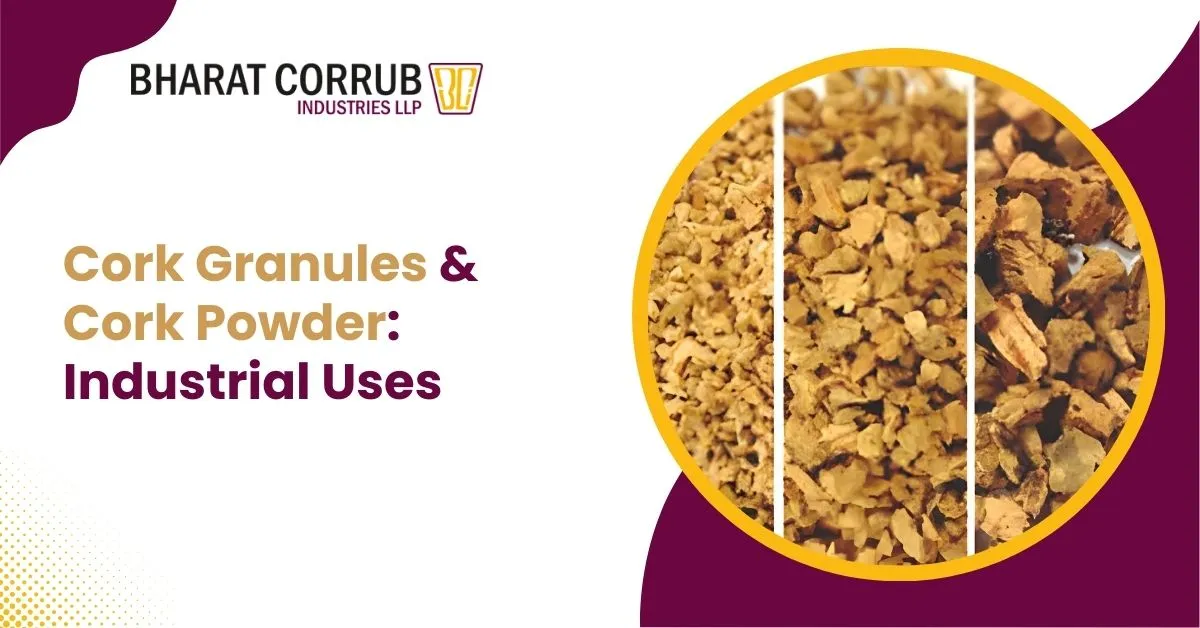
Cork is a versatile natural material widely used across industries due to its lightweight structure, insulation properties, and environmental sustainability. Among the many forms of cork materials used in industrial manufacturing, cork granules and cork powder play an important role…