Selecting the right sealing and insulation material is essential for ensuring long-term performance in industrial and engineering applications. Combining the flexibility of rubber with the natural resilience of cork, Rubber Cork Sheets have become a preferred solution for applications that demand reliable sealing, vibration control, and resistance to compressive loads. Their unique material composition enables them to maintain dimensional stability while adapting to irregular sealing surfaces, making them suitable for a wide range of industries.
From automotive components and industrial machinery to transformers and electrical equipment, rubberized cork materials are valued for their durability and consistent performance. This guide explores the primary uses of rubberized cork sheets, their key advantages, and why they continue to be widely adopted across diverse industrial sectors.
Understanding Rubberized Cork Sheets
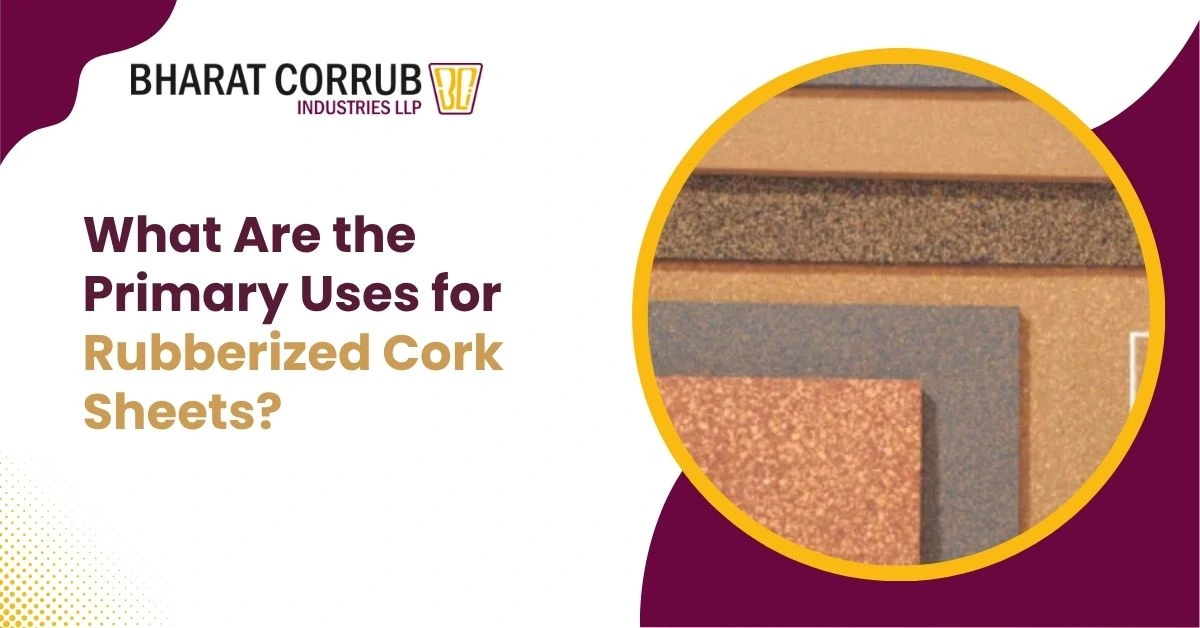
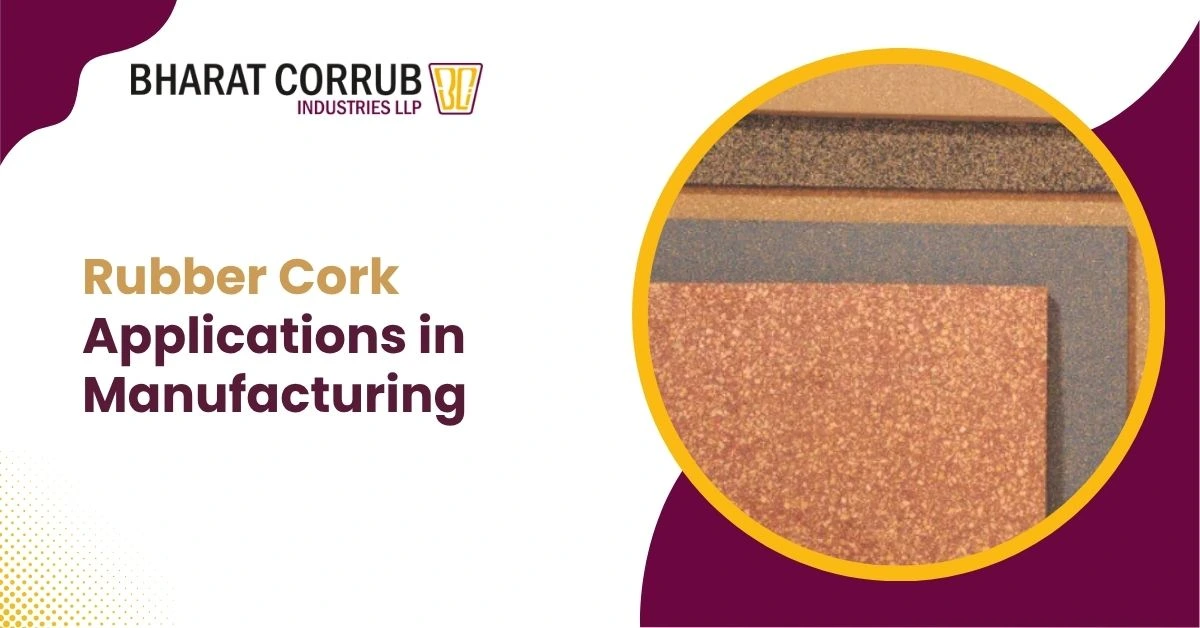
Manufactured by combining high-quality cork granules with specially formulated rubber binders, rubberized cork sheets offer the advantages of both materials in a single engineered product. The cork provides compressibility, resilience, and insulation properties, while the rubber enhances flexibility, strength, and resistance to oils and mechanical stress.
This combination results in a material capable of delivering dependable sealing performance while maintaining its structural integrity under varying operating conditions. Depending on the application, these sheets are available in different thicknesses and grades to meet specific technical requirements.
Primary Uses of Rubberized Cork Sheets
Industrial applications require materials capable of maintaining reliable performance under pressure, temperature variations, and continuous operation. For these demanding environments, Rubber Cork Sheets serve multiple purposes across various industries.
Gasket Manufacturing
One of the most common applications is the production of industrial gaskets. Their excellent compressibility and recovery characteristics allow them to conform to sealing surfaces while minimizing leakage. Rubberized cork gaskets are widely used in engines, compressors, pumps, gearboxes, and industrial equipment.
Electrical Equipment
Electrical equipment manufacturers use rubberized cork materials for sealing transformer components, switchgear assemblies, and electrical enclosures. Their low electrical conductivity and sealing capability contribute to dependable equipment performance.
Automotive Industry
Automotive manufacturers utilize rubberized cork products in valve cover gaskets, oil pan gaskets, transmission systems, and other sealing applications where resistance to oils and compressive loads is essential.
Industrial Machinery
Industrial machines often operate under continuous vibration and mechanical stress. The material’s vibration-dampening characteristics help improve equipment reliability while reducing wear caused by repeated movement.
Power and Infrastructure Projects
Power generation facilities, substations, and infrastructure projects require sealing materials capable of delivering long-term performance under demanding operating conditions. Rubberized cork solutions are frequently selected because of their durability and resistance to environmental factors.
Performance Characteristics of Rubberized Cork Sheets
Performance is one of the primary reasons industries continue to choose rubberized cork materials for sealing and insulation applications. The combination of cork granules and rubber binders creates a material that delivers reliable performance under varying mechanical and environmental conditions.
Unlike conventional gasket materials, Rubber Cork Sheets provide excellent compressibility while maintaining minimal lateral flow during compression. This helps create effective seals on uneven surfaces and reduces the risk of leakage in demanding applications.
The material also exhibits good resistance to compressive loads, allowing it to retain its sealing properties over extended periods of operation. In addition, its natural vibration-dampening capability helps reduce mechanical noise and absorb shocks generated by machinery and equipment.
Other notable performance characteristics include:
- Reliable dimensional stability
- Effective acoustic insulation
- Low thermal conductivity
- Good abrasion resistance
- Anti-slip properties
- Long service life under normal operating conditions
These characteristics make rubberized cork materials suitable for industries where consistent sealing performance and operational reliability are essential.
Key Benefits of Rubberized Cork Sheets
When selecting sealing and insulation materials, evaluating both performance and durability is essential for achieving reliable long-term results. Designed for demanding industrial applications, Rubber Cork Sheets combine the resilience of cork with the flexibility of rubber to deliver dependable sealing performance under varying operating conditions.
- Excellent sealing performance
- High compressibility with minimal lateral flow
- Resistance to compressive loads
- Effective vibration absorption
- Acoustic insulation
- Resistance to abrasion
- Anti-slip properties
- Long service life
- Reliable dimensional stability
- Suitable for demanding industrial environments
These performance characteristics contribute to reduced maintenance requirements and improved operational efficiency.
Industries That Commonly Use Rubberized Cork Sheets
The versatility of the material allows it to serve multiple industries where dependable sealing and insulation are important.
| Industry | Typical Applications |
| Automotive | Engine gaskets, oil pan gaskets, transmission sealing |
| Electrical | Transformers, switchgear, electrical enclosures |
| Power Generation | Equipment sealing and insulation |
| Railways | Industrial sealing and vibration control |
| Manufacturing | Industrial machinery and mechanical equipment |
| Infrastructure | Engineering and maintenance applications |
Why Industries Prefer Rubberized Cork Sheets Over Conventional Materials?
Selecting the appropriate sealing material directly affects equipment efficiency, maintenance requirements, and operational reliability. While several gasket materials are available, many industries continue to choose rubberized cork because it combines multiple performance benefits within a single engineered material.
Its ability to conform to irregular sealing surfaces helps improve sealing efficiency while reducing the likelihood of leakage. The material’s flexibility allows it to accommodate minor surface imperfections without compromising performance.
Another advantage is its ability to absorb vibration and reduce noise transmission, making it particularly useful in industrial machinery, electrical equipment, and automotive applications. These properties contribute to improved equipment performance and a more stable operating environment.
Compared with many conventional sealing materials, Rubber Cork Sheets also offer the advantage of balancing durability, insulation, and compressibility without significantly increasing component weight. This combination makes them a practical choice for manufacturers and maintenance professionals seeking dependable long-term performance across a wide range of industrial applications.