Skip to content
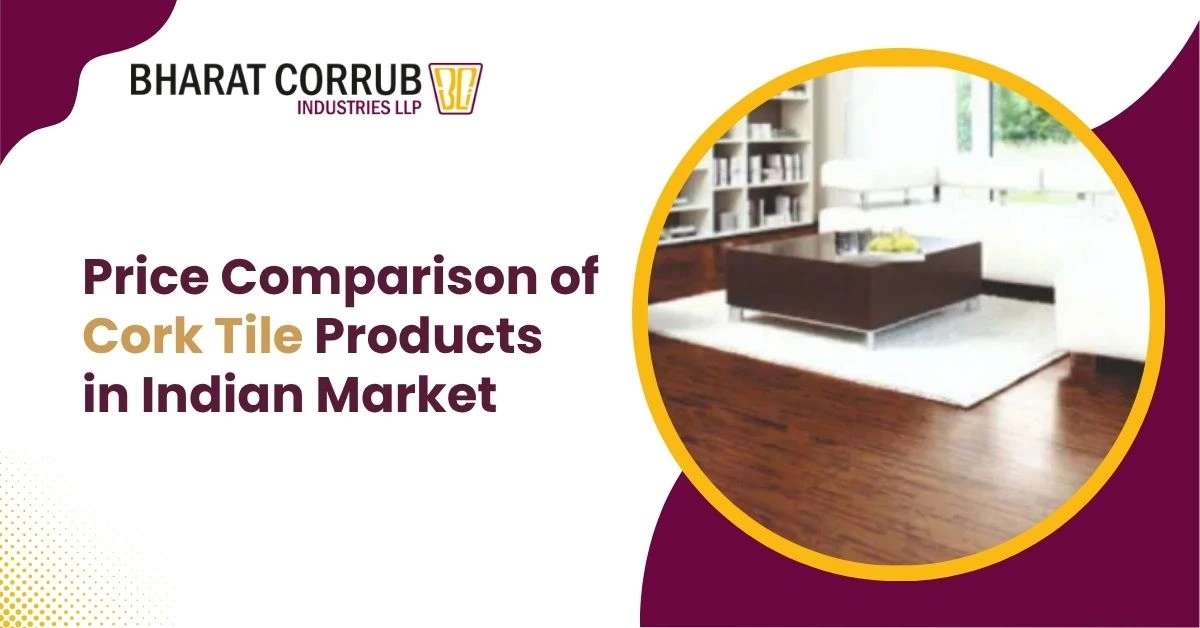
Price Comparison of Cork Tile Products in Indian Market

Selecting the right flooring or wall material requires more than comparing prices. Buyers today evaluate product quality, durability, insulation performance, maintenance requirements, and long-term value before making a purchase decision. In the Indian market, the price of a Cork Tile can vary significantly depending on factors such as thickness, density, surface finish, manufacturing quality, and intended application.

Decorative cork products have gained popularity in residential, commercial, and institutional spaces because they combine visual appeal with practical benefits. Along with enhancing interiors, cork tiles offer excellent acoustic insulation, thermal resistance, and a comfortable surface, making them suitable for diverse environments. Since pricing is not standardized across manufacturers, understanding the factors that influence costs is more beneficial than comparing quotations alone. This guide provides an overview of indicative market price ranges, explains the factors that affect pricing, and highlights what buyers should consider when evaluating cork tile products in India.

Factors That Influence Cork Tile Prices

Several product characteristics determine the overall price of a Cork Tile in the Indian market, including:

  • Material quality and density
  • Tile thickness
  • Surface finish
  • Manufacturing standards
  • Application requirements
  • Order quantity
  • Custom dimensions

Products designed for premium flooring or decorative applications generally have higher manufacturing specifications, which can influence pricing.

Indicative Price Comparison of Cork Tile Products

The following price ranges are indicative and may vary depending on product specifications, supplier, order quantity, and market conditions.

Cork Tile CategoryApprox Price Range (Per Sq. Ft.)Typical Applications
Standard Industrial Cork Sheets₹60 – ₹120Soundproofing, insulation, underlayment
Decorative Cork Wall Tiles₹150 – ₹300Interior walls, decorative installations
Premium Cork Flooring Tiles₹350 – ₹600+Residential and commercial flooring

Why Quality Matters More Than Price?

While price is an important consideration, buyers should also evaluate the overall performance of the material. A well-manufactured Cork Tile offers several advantages, including:

  • Acoustic insulation
  • Vibration absorption
  • Thermal insulation
  • Lightweight construction
  • Comfortable surface
  • Long-term durability
  • Natural decorative appeal

Selecting a quality product can provide better long-term value and lower maintenance requirements.

Common Applications of Cork Tile

Depending on the product type and specifications, Cork Tiles are widely used in:

  • Residential flooring
  • Commercial interiors
  • Decorative wall installations
  • Office spaces
  • Educational facilities
  • Memo boards
  • Acoustic wall panels

Their combination of aesthetics and functional performance makes them suitable for a variety of environments.

Looking for high-quality Cork Tile solutions for flooring, wall, and insulation applications? Contact us to bring durable, high-quality cork solutions into your operations.

How to Choose the Right Cork Tile?

Before selecting a Cork Tile, buyers should consider:

  • Intended application
  • Required thickness
  • Acoustic performance
  • Design preferences
  • Installation environment
  • Budget
  • Product quality

Working with an experienced manufacturer helps ensure the selected product meets both performance and application requirements.

Why Decorative Cork Tiles Continue to Grow in Popularity?

Growing interest in sustainable building materials has increased the demand for cork products in modern interiors. Decorative Cork Tiles offer a unique combination of natural appearance and functional performance, making them attractive for both residential and commercial projects.

Their ability to provide acoustic insulation, thermal resistance, and visual appeal within a single material reduces the need for multiple solutions. Combined with lightweight construction and ease of installation, these advantages continue to support their popularity across various interior applications.

Frequently Asked Questions

Factors such as thickness, density, finish, manufacturing quality, dimensions, and order quantity all influence pricing.

Generally, decorative cork wall tiles cost more because they include aesthetic finishes and are intended for visible interior applications.

Yes. Premium products are designed to withstand regular foot traffic while providing comfort, insulation, and durability.

Manufacturing quality, material specifications, certifications, customization, and production processes can all affect pricing.

Yes. Decorative cork tiles are commonly used on walls to enhance aesthetics while providing acoustic and thermal insulation.

Conclusion

Understanding how pricing varies across different product categories helps buyers make informed decisions when selecting a Cork Tile. While indicative market prices provide a general reference, the final cost depends on product specifications, quality, and application requirements. Focusing on performance, durability, and manufacturing standards ensures better long-term value for residential, commercial, and industrial projects.

Mehul Tolia is a Partner at Bharat Corrub Industries LLP (BCI), a leading manufacturer and exporter of cork and rubber cork products in India. With nearly a decade of experience, he has been a driving force behind BCI’s business development, product innovation, and process optimization initiatives. His leadership emphasizes quality, sustainability, and customer satisfaction, helping BCI strengthen its global presence. As a member of CII Young Indians (Yi) Vadodara, Mehul is passionate about fostering industrial growth and promoting innovation within the manufacturing sector.

Back To Top
WhatsApp chat