Modern flooring systems are designed to provide more than just an attractive appearance. Along with aesthetics, they must deliver comfort, durability, noise reduction, and long-term performance. To achieve these objectives, additional underlayment materials are often installed beneath the finished flooring surface. Among the various materials available, Cork Sheets have become a preferred choice because of their natural insulation properties, vibration absorption, and compressibility.
Whether installed in residential buildings, commercial offices, educational institutions, or hospitality spaces, cork underlayment helps improve flooring performance while enhancing indoor comfort. Its lightweight structure, resilience, and ability to reduce sound transmission make it suitable for a wide range of flooring applications. Understanding why cork sheets are installed below flooring helps homeowners, architects, and project developers select materials that provide long-term value rather than focusing only on the visible flooring finish.
What Are Cork Sheets?
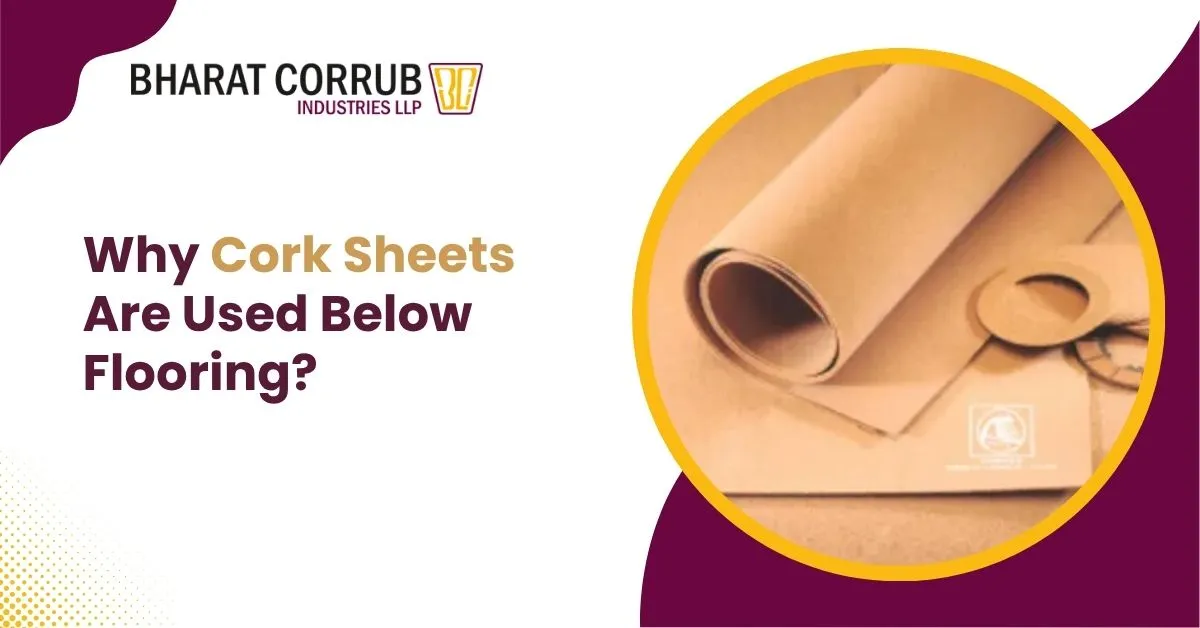
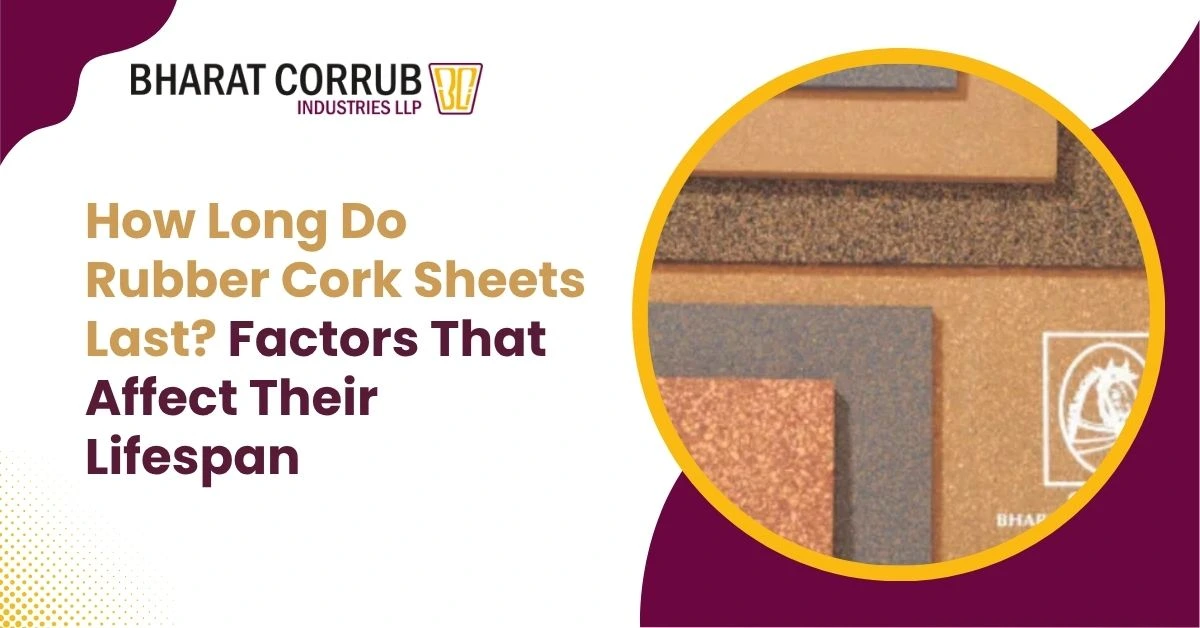
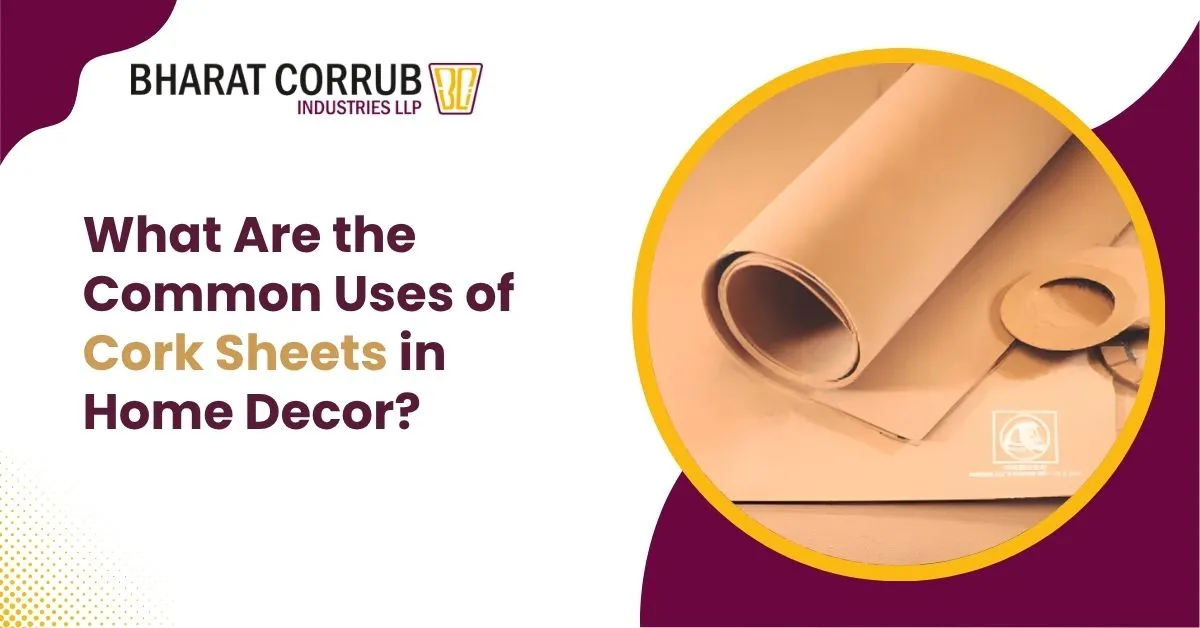
Manufactured from natural cork granules, cork sheets are engineered materials that combine lightweight construction with excellent resilience and insulation properties. Their unique cellular structure contains millions of microscopic air-filled cells that provide compressibility, recovery, and vibration absorption while maintaining dimensional stability over time.
These characteristics allow the material to perform effectively beneath flooring systems where comfort, acoustic insulation, and thermal efficiency are important. Depending on the intended application, cork sheets are available in different sizes and thicknesses to meet varying installation requirements.
Why Cork Sheets Are Installed Below Flooring?
Installing an underlayment beneath finished flooring improves both structural performance and occupant comfort. Rather than acting as a decorative surface, Cork Sheets function as an intermediate layer that enhances the overall efficiency of the flooring system.
Their natural compressibility helps absorb minor surface irregularities while providing a stable foundation for the finished floor. At the same time, their insulation properties contribute to a quieter and more comfortable indoor environment by reducing sound transmission and minimizing vibration between floor levels.
Key Benefits of Using Cork Sheets Under Flooring
Selecting an effective underlayment material requires evaluating both functional performance and long-term reliability. Designed to improve overall flooring efficiency, Cork Sheets provide several practical benefits for residential and commercial installations.
- Excellent acoustic insulation
- Effective vibration absorption
- Thermal insulation
- Lightweight construction
- Comfortable walking surface
- Natural compressibility
- Long-term dimensional stability
- Improved flooring performance
- Environmentally friendly material
- Suitable for multiple flooring systems
Together, these characteristics contribute to a more durable, comfortable, and efficient flooring installation.
How Cork Sheets Improve Acoustic Performance?
Noise reduction has become an important consideration in modern construction, particularly in apartments, offices, hotels, educational facilities, and healthcare buildings. Excessive footfall noise and impact sound can reduce occupant comfort and affect the usability of interior spaces.
The natural cellular structure of Cork Sheets helps absorb impact energy before it travels through the building structure. Instead of allowing sound vibrations to pass directly into adjacent rooms or lower floors, the material reduces transmission and creates a quieter indoor environment.
This acoustic performance makes cork underlayment particularly beneficial in multi-storey buildings where minimizing impact noise is essential.
Thermal Insulation Benefits of Cork Sheets
Indoor comfort is influenced not only by heating and cooling systems but also by the flooring materials used throughout a building. Floors can become uncomfortably cold when insulation beneath the finished surface is inadequate.
Installed beneath flooring systems, Cork Sheets create an insulating layer that helps reduce heat transfer between the floor and the supporting structure. This contributes to improved thermal comfort while supporting better energy efficiency throughout the building.
The material’s low thermal conductivity allows interior spaces to maintain a more consistent temperature, making walking surfaces feel warmer and more comfortable.
Flooring Systems That Commonly Use Cork Sheets
Different flooring materials can benefit from an appropriate underlayment depending on the installation requirements and expected performance.
| Flooring Type | Benefit of Cork Underlayment |
| Hardwood Flooring | Improves comfort and reduces noise |
| Laminate Flooring | Minimizes impact sound and vibration |
| Engineered Wood Flooring | Enhances insulation and stability |
| Vinyl Flooring | Provides additional cushioning |
| Commercial Flooring | Improves acoustic performance and comfort |