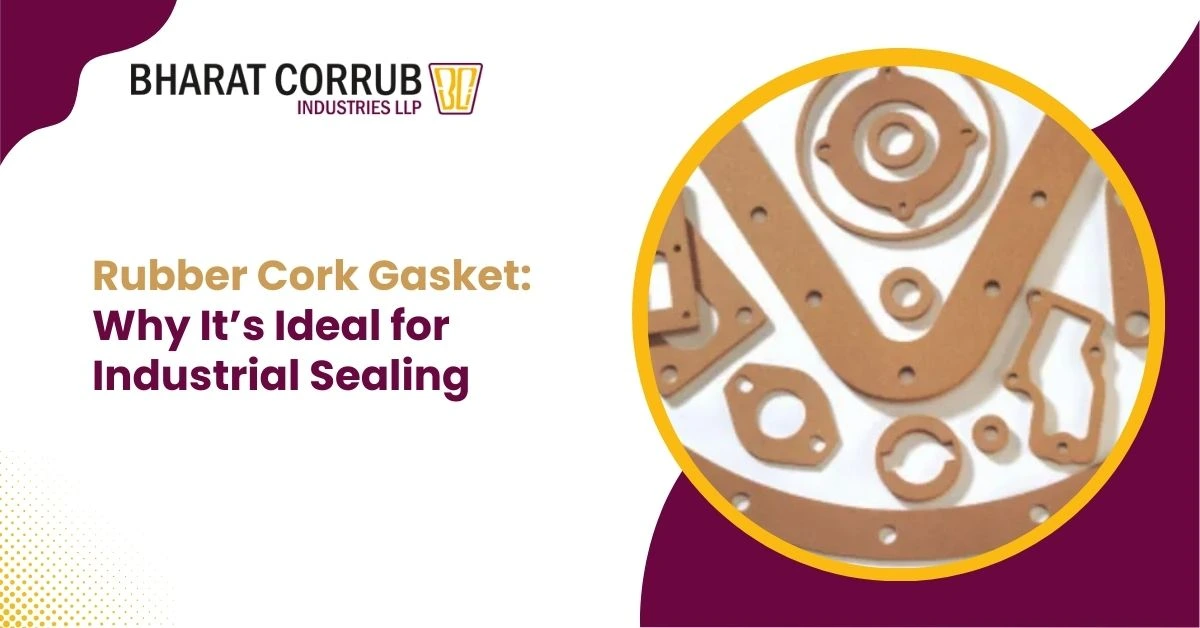
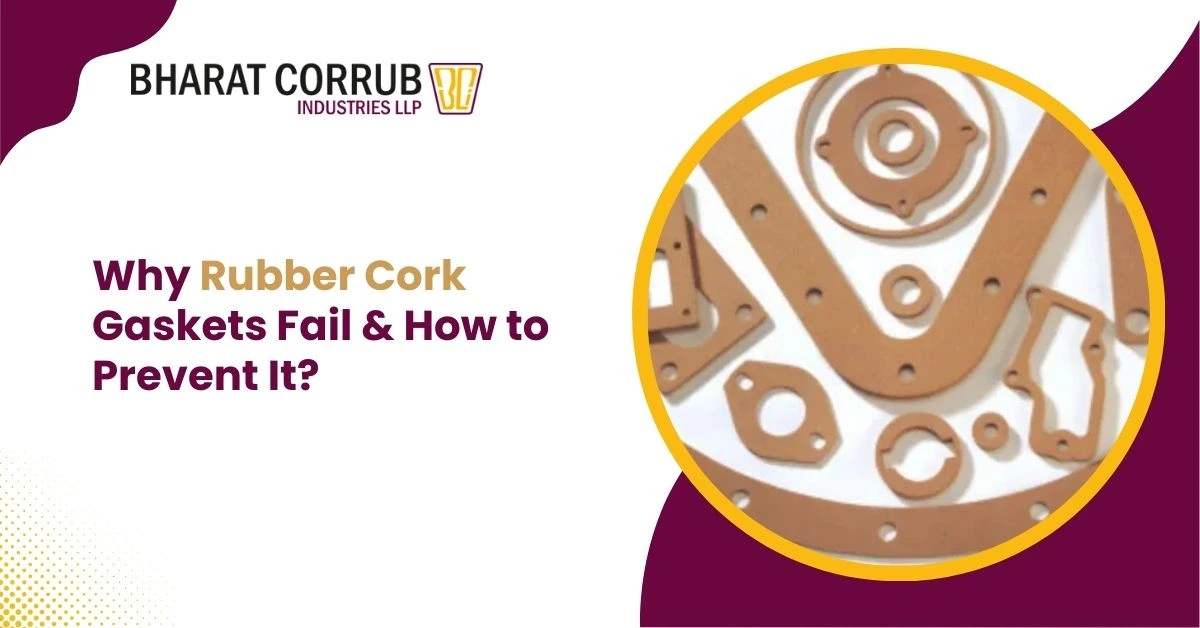
When engineers and maintenance teams search for a leak-proof gasket material that can handle oil, fuel, vibration, and uneven flange surfaces, one option keeps coming up: the rubber cork gasket. Also known as rubberized cork gasket, cork rubber gasket, or rubber cork gasket sheet, this material is widely used for industrial sealing, flange gaskets, and machinery gasket applications where long-term compression performance matters.
In this blog, you’ll learn what rubber cork gaskets are, why they outperform many standard gasket materials, and how to choose the right type for your application.
What Is a Rubber Cork Gasket?
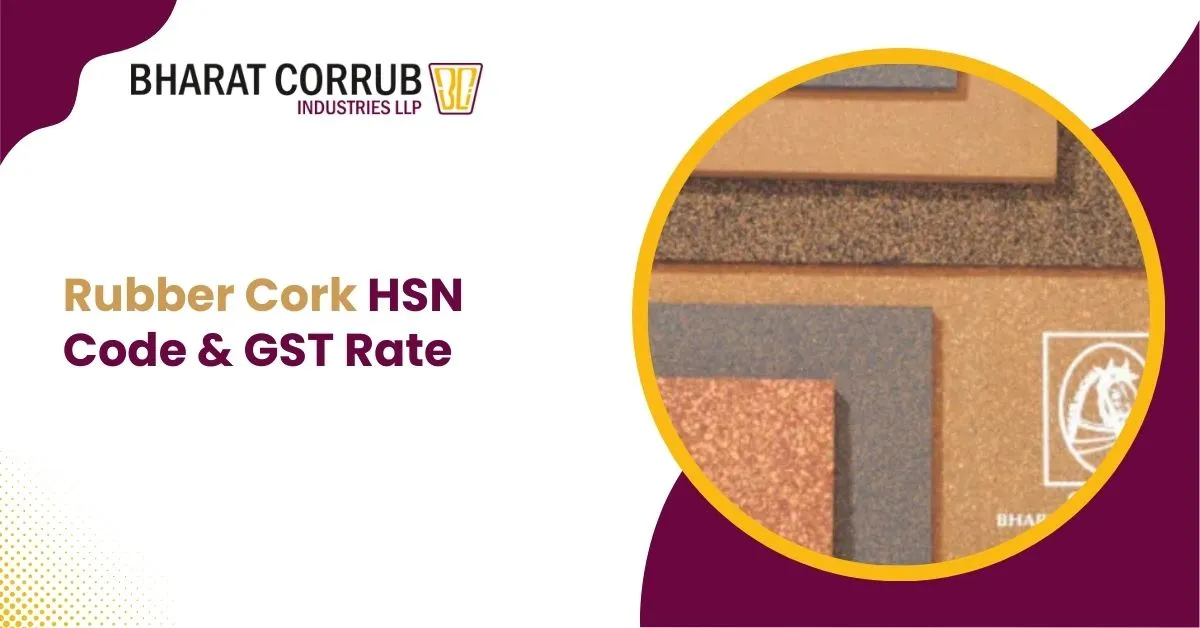
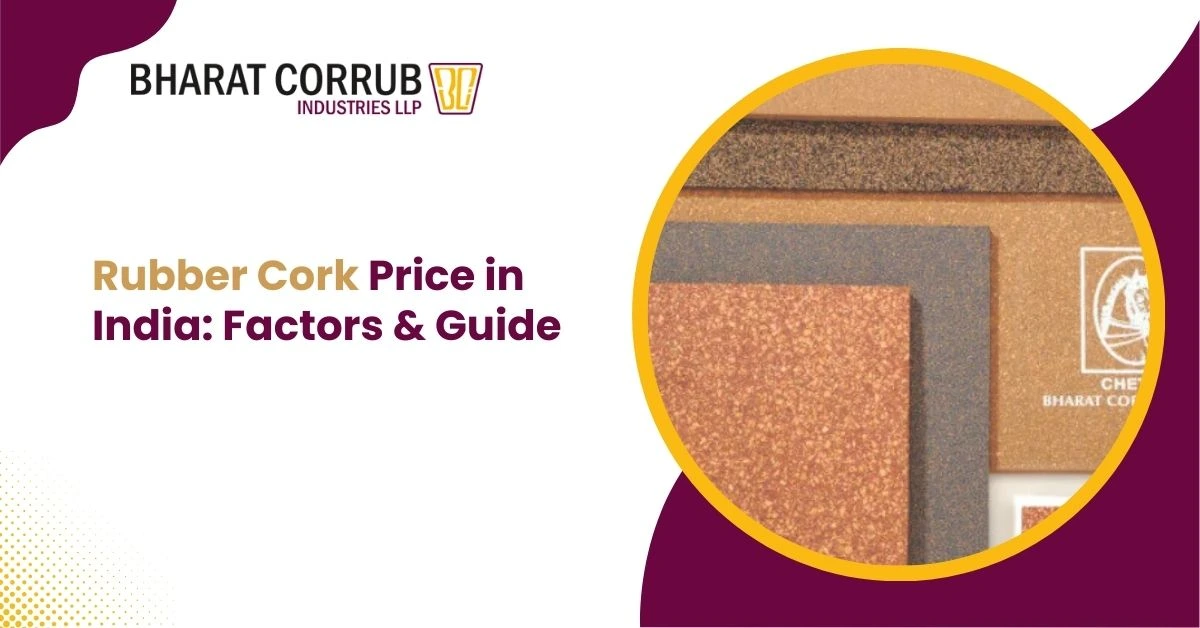
A rubber cork gasket is made by bonding cork granules with rubber (commonly NBR (nitrile), neoprene, SBR, EPDM depending on use). Cork provides high compressibility and excellent recovery, while rubber adds flexibility, strength, and fluid resistance—making rubber cork ideal for industrial sealing and vibration damping.
High-volume keywords used in search:
rubber cork gasket, rubberized cork gasket, cork rubber gasket, gasket sheet material, industrial sealing gasket, flange gasket sheet, oil resistant gasket.
Why Rubber Cork Gasket Is Ideal for Industrial Sealing
1) Excellent sealing on imperfect surfaces
Many industrial flanges aren’t perfectly machined. Rubber cork gaskets conform well to surface irregularities, improving sealing even at lower flange pressures.
2) High compressibility with low lateral flow
Rubber cork compresses without “squeezing out” excessively, helping gaskets maintain shape under bolt load—important for flange sealing, cover plates, and gearbox lids.
3) Strong recovery = fewer leaks over time
A key reason rubber cork gaskets are preferred in maintenance-heavy industries: they bounce back after compression, reducing creep relaxation and helping prevent re-torque cycles.
4) Vibration damping + noise reduction
Rubber cork naturally absorbs vibration, making it a smart choice for pump gaskets, compressor gaskets, HVAC equipment, and machinery that transmits noise and vibration.
5) Fluid resistance (grade-dependent)
For oil and fuel exposure, NBR rubber cork gaskets are commonly selected due to strong resistance to petroleum oils, fuels, and greases.
Common Uses of Rubber Cork Gaskets
Rubber cork gaskets are widely used in:
- Industrial flange gaskets (pumps, valves, pipelines)
- Gearbox and compressor gaskets
- Engine and automotive sealing (oil pan, covers, housings)
- Transformer and switchgear sealing
- HVAC ducting and equipment sealing
- General machinery covers and inspection plates
Rubber Cork Gasket Benefits by Application
| Application | Problem to Solve | Why Rubber Cork Works Best | Popular Keyword Match |
| Pump & valve flanges | Leakage under bolt load | Conforms well + compresses evenly | flange gasket sheet |
| Gearbox / compressor covers | Oil seepage + vibration | Oil resistance + vibration damping | oil resistant gasket |
| Transformer sealing | Long-term sealing reliability | High recovery + stable compression | rubber cork gasket for transformer |
| HVAC equipment | Noise + air leakage | Acoustic insulation + sealing | HVAC gasket material |
| General machinery | Uneven surfaces | Compressible sealing + low lateral flow | industrial gasket material |