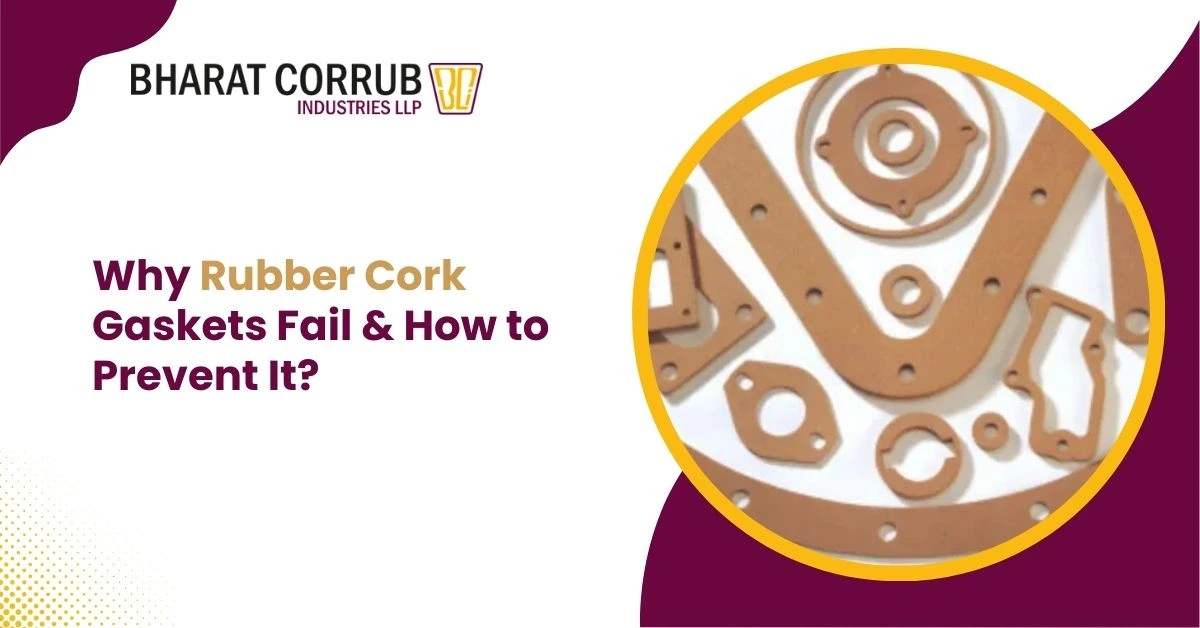
Rubber cork gaskets are widely used in flanges, pumps, compressors, HVAC systems, and industrial enclosures…
Frequently Asked Questions
Rubber cork is usually classified under HSN 4504, which covers agglomerated cork with or without a binding substance, including cork-rubber composite materials used for gaskets and sealing sheets.
Most rubberised cork sheets are classified under HSN 45041010, which specifically applies to agglomerated cork sheets used for industrial sealing and insulation.
Rubber cork is generally taxed as a cork-based composite product under Chapter 45, not as a pure rubber product under Chapter 40, because cork is the main structural material.
Yes, rubber cork usually falls under a lower GST slab compared to pure rubber sheets, since cork-based products are taxed differently under GST.
Using the correct HSN code ensures the right GST rate, allows buyers to claim input tax credit (ITC) without issues, and helps avoid GST mismatches or audit penalties.
Conclusion
Understanding the correct HSN code and GST rate for rubber cork is essential for accurate invoicing, tax compliance, and smooth business operations. Since rubber cork is a cork-based composite material, it is generally classified under HSN 4504 and its related sub-codes, rather than under pure rubber categories. Using the right HSN ensures the correct GST rate is applied, helps buyers claim valid input tax credit, and prevents costly errors during audits or return filings. By classifying rubber cork correctly and following the latest GST schedules, businesses can trade confidently and compliantly.

8.
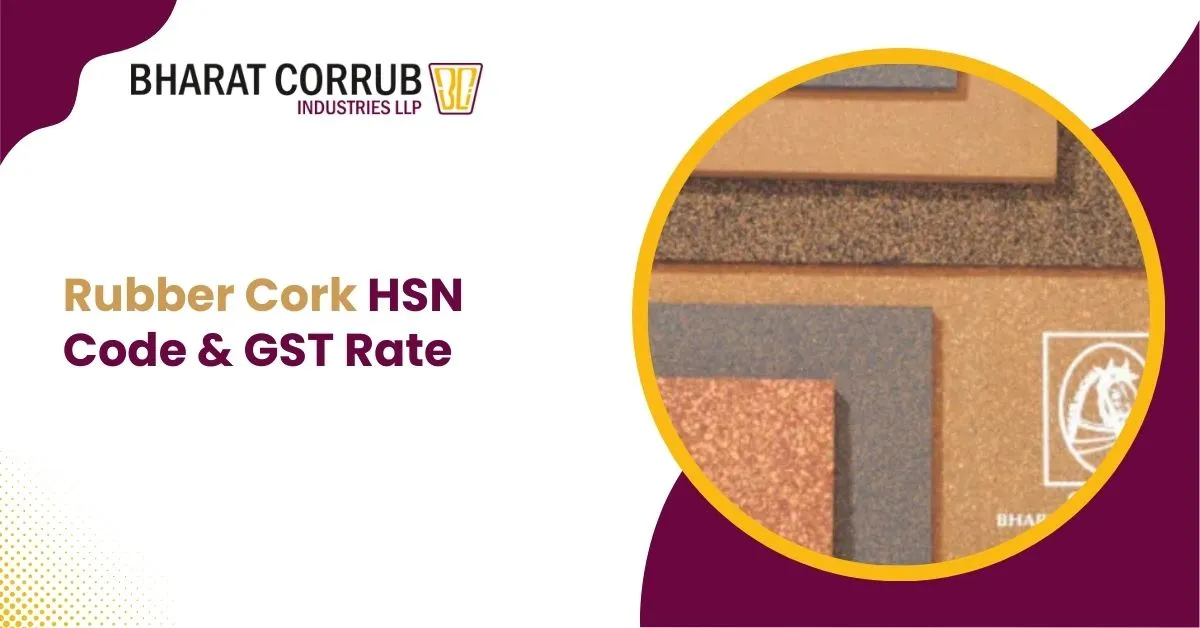
Rubber Cork HSN Code & GST Rate
Related Posts