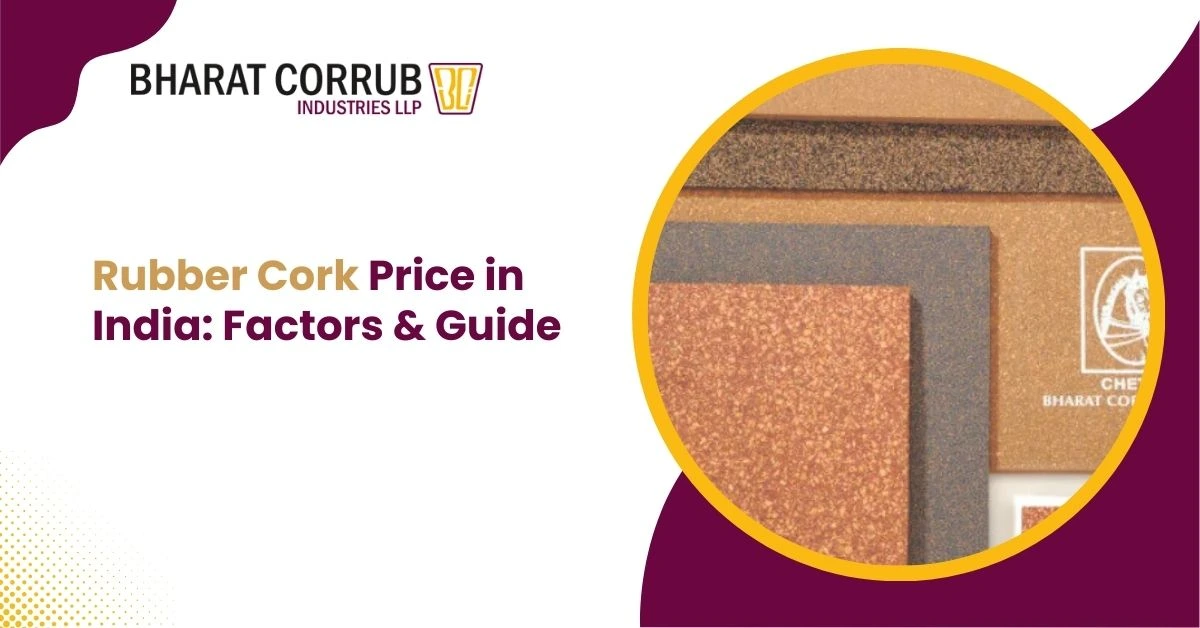
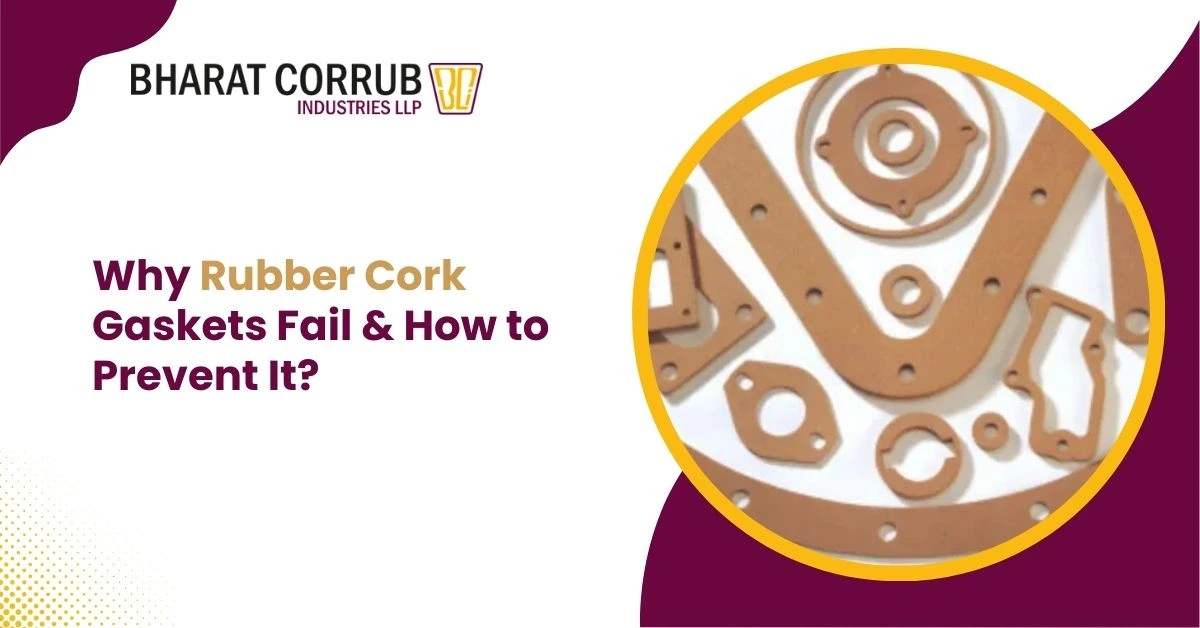
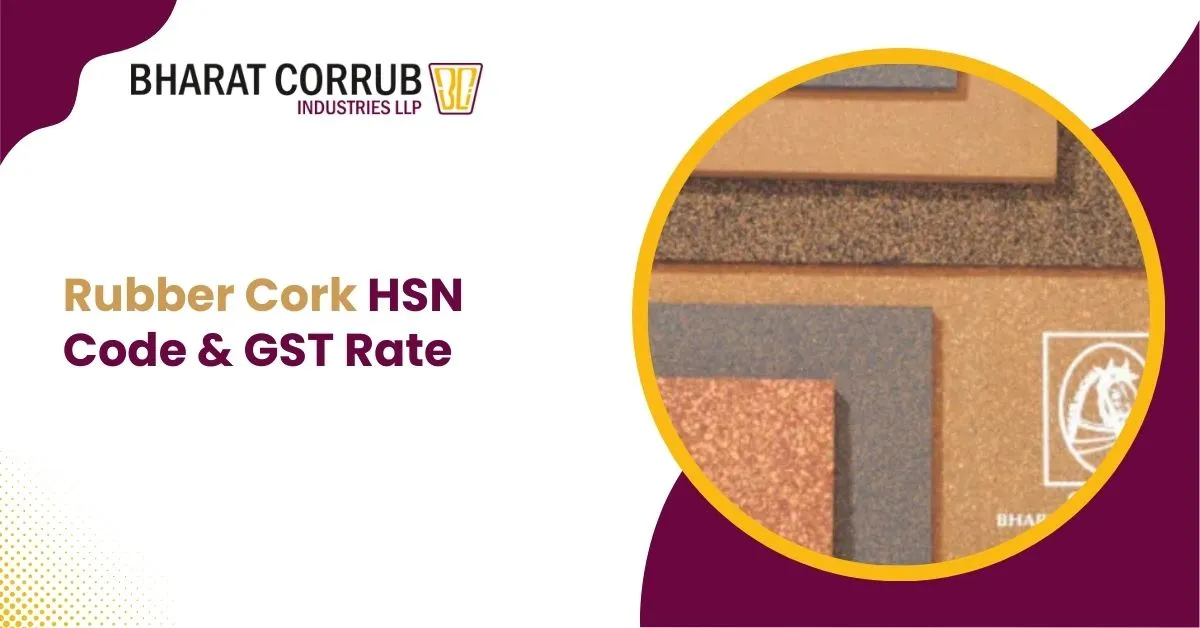
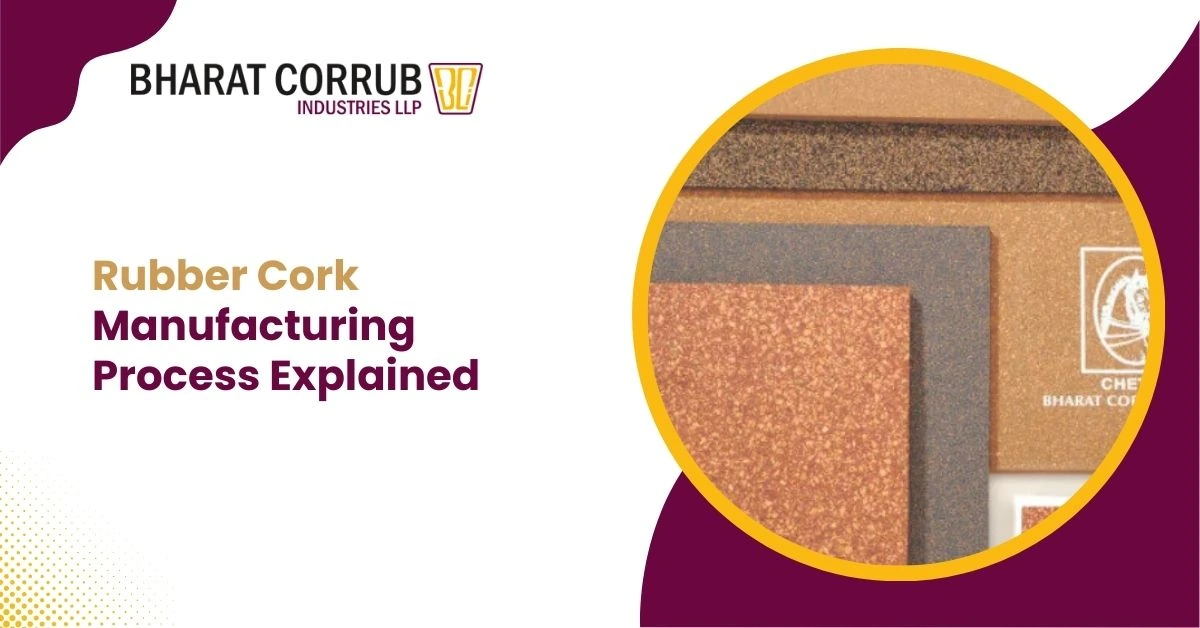
Rubber cork is widely used for gaskets, sealing sheets, vibration isolation pads, HVAC flange seals, compressors, pumps, and electrical equipment. If you’re searching for rubber cork price in India, you’ll quickly notice that prices vary a lot—because rubber cork is sold in multiple grades, thicknesses, densities, binder types, sheet sizes, and finish options. This guide breaks down the main price drivers so you can compare quotes confidently and buy the right rubber cork without overpaying.
What Determines the Cost?
Rubber cork is not a single “one-price” material. Sellers may quote per sheet, per kg, per piece, or per roll, and the final price changes based on specifications and usage. Market listings show rubberized cork sheets and gasket sheets being quoted in different ways—some by sheet and some by kilogram—reflecting how much the specs influence pricing.
Factor 1: Thickness & Sheet Size
Thickness is one of the biggest price drivers because thicker rubber cork uses more raw material and often requires tighter process control to maintain uniformity. Common market sizes include sheets such as 900×600 mm and 1000×1000 mm, and thicker sheets are typically priced higher than thinner ones for the same grade.
Typical buying pattern
- 1–3 mm: flange gaskets, covers, HVAC sealing
- 4–6 mm: general sealing + moderate vibration
- 8–10 mm+: vibration pads, anti-shock mounts
Factor 2: Density & Compressibility
Higher density rubber cork generally delivers:
- better bolt-load stability
- lower squeeze-out (side flow)
- stronger long-term compression performance
That performance usually comes at a higher cost, especially when you need tighter thickness tolerances and consistent density across the sheet.
Factor 3: Rubber Binder Type (NBR/Neoprene/EPDM)
The rubber binder changes cost because it changes performance:
- Nitrile (NBR): best for oil/fuel/lubricants (often higher price due to performance demand)
- Neoprene: good for general sealing + weather resistance
- EPDM: better for water/steam/ozone/outdoor exposure
So, if your application needs oil resistance, expect quotes to be higher than basic general-purpose rubber cork.
Need the right rubber cork grade for your gasket or vibration pad? Contact us with your thickness and application details for a fast quote.
Factor 4: Application Type (Gasket Sheet vs Vibration Pad)
Rubber cork for precision flange sealing requires higher rubber content for improved density, smoother surface finish, and tighter thickness tolerance.
- Higher rubber content for increased density
- A smoother rubber-bonded surface for tight sealing
- Better thickness tolerance to prevent leakage
Rubber cork for vibration isolation requires:
- Thicker rubber cork sheets for shock absorption
- Controlled rubber resilience for stable damping
- Larger rubber cork formats for machine base pads
These rubber cork application differences directly affect:
- The grade selection
- The rubber binder formulation
- The final price
Factor 5: MOQ, Custom Cutting & Order Volume
Pricing depends heavily on rubber order quantity, as larger rubber cork volumes usually receive better per-unit rates than small purchases. Small orders often have higher per-sheet pricing
- Bulk orders usually reduce cost per unit
- Custom-cut gaskets (CNC/Die-cut) typically cost more than plain sheets/rolls
Market listings often show MOQs and “custom size” options, which directly influence the final price.
Factor 6: Market Channel (Wholesale vs Online vs Government Supply)
You may see different pricing levels depending on whether you buy rubber cork via industrial marketplaces, direct rubber material manufacturers, or rubber product resellers and online platforms.
- industrial marketplaces (wholesale-style listings)
- direct manufacturer supply
- resellers and platform listings
Examples on Indian marketplaces show varying quote formats (per sheet/per piece/per kg), which is why comparing “like for like” specs are essential.
Rubber Cork Price in India
When evaluating rubber cork price in India, it’s important to compare cost factors side by side to make an informed buying decision. Rubber cork products vary widely in price depending on specifications such as thickness, density, sheet size, rubber binder type, and order quantity. A quick comparison helps you understand how these variables influence overall cost, so you can select the most cost-effective rubber cork material that meets your sealing, vibration control, and industrial performance requirements.
| Price Factor | What Changes | Price Impact (Typical) | Buyer Tip |
| Thickness | 1mm → 10mm | ↑ higher thickness = higher cost | Match thickness to load + sealing need |
| Density | low → high | ↑ higher density often costs more | Use higher density for flanges/bolt load |
| Binder type | NBR / Neoprene / EPDM | NBR often ↑ | Choose based on oil/water/weather exposure |
| Sheet size | 900×600 vs 1000×1000 | ↑ larger size = higher | Standard sizes reduce cost |
| Custom cutting | sheet vs cut gasket | ↑ cutting adds cost | Provide drawing/OD-ID/thickness clearly |
| MOQ/volume | small vs bulk | ↓ bulk usually cheaper/unit | Ask for slab pricing by quantity |
How to Get the Best Quote?
When requesting pricing, share rubber cork specifications such as thickness, sheet size, density, grade, and application details.
- thickness + sheet size
- density/grade requirement
- binder type (oil resistant needed or not)
- operating temperature + fluid exposure
- quantity + whether you need cutting (gaskets/strips)
This prevents “basic grade” quotes that won’t match your application.