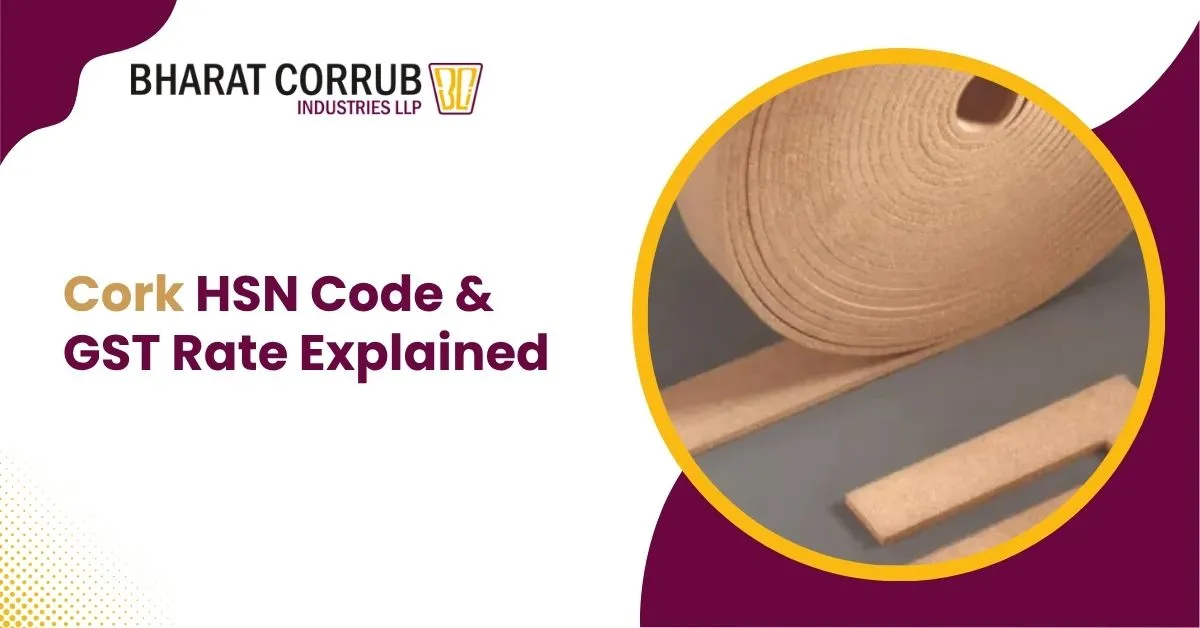
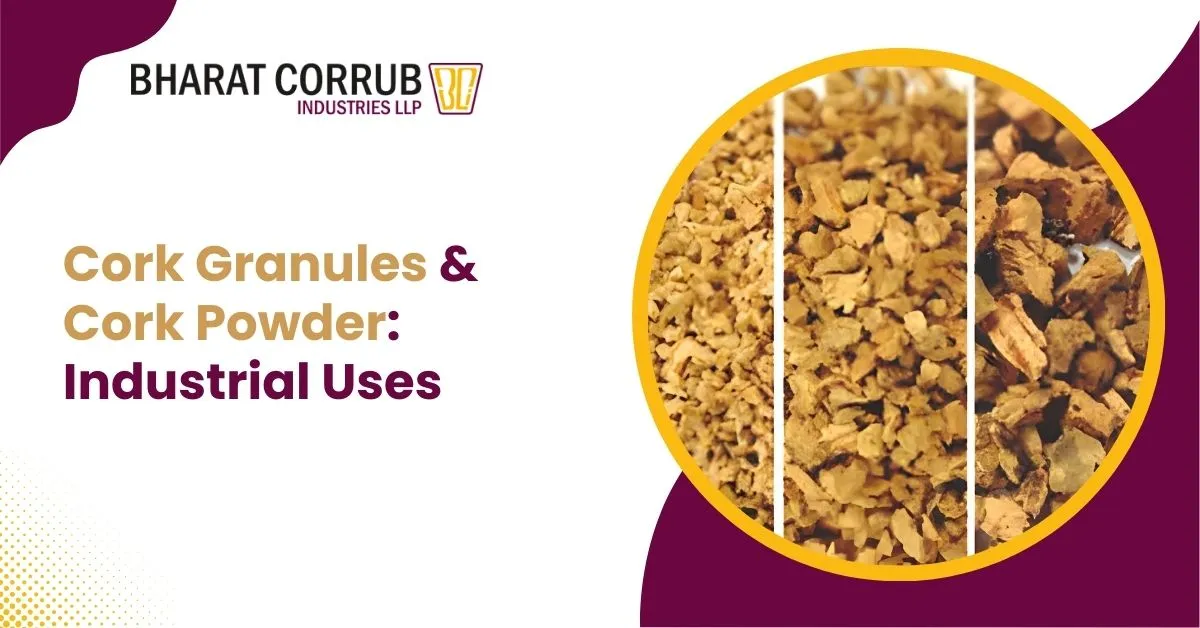
For businesses dealing with packaging, insulation, or industrial materials, understanding taxation is as important as…
Frequently Asked Questions
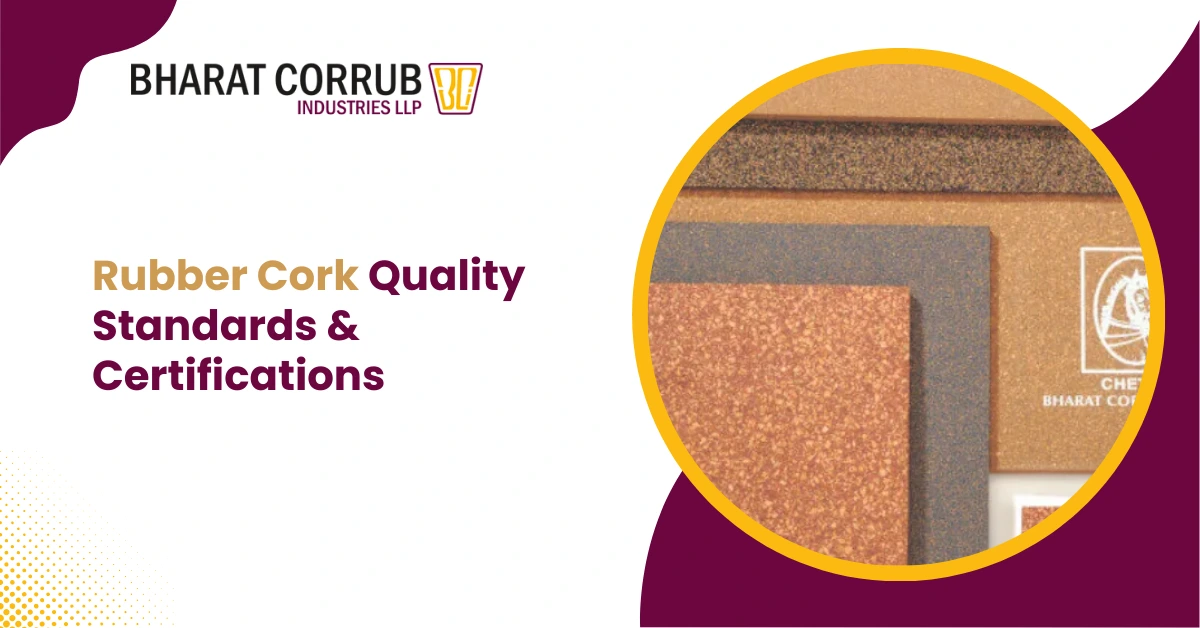
Rubber cork quality is commonly controlled through ISO 9001 certified manufacturing systems and testing of thickness, density, hardness, and compression recovery.
ISO 9001 ensures that rubber cork is produced under a consistent, documented quality process, reducing defects and performance variation.
Yes, rubber cork gaskets are often specified using ASTM F104-style classification, which defines measurable sealing and compression properties.
Ask for test reports, material datasheets, thickness tolerance, and compression set results to verify rubber cork quality.
Yes, rubber cork made under certified quality systems delivers better sealing, vibration control, and longer service life.
Conclusion
Rubber cork quality standards and certifications play a vital role in ensuring reliable sealing, effective vibration control, and long-term durability. By choosing rubber cork that is manufactured under recognized quality systems like ISO 9001 and supported by proper testing for thickness, density, compression set, and fluid resistance, buyers can be confident in consistent product performance. Following these standards helps reduce leaks, minimize equipment downtime, and improve overall operational efficiency, making certified rubber cork a smart and dependable choice for industrial applications.

7.
Rubber Cork Quality Standards & Certifications
Related Posts