Sustainability is no longer a trend—it has become a necessity for industries worldwide. Manufacturers, architects, and product designers are actively searching for materials that reduce environmental impact without compromising performance. One such innovative solution gaining popularity is rubber cork.
Known for its durability, insulation properties, and environmental benefits, rubber cork is emerging as a preferred eco-friendly material across multiple industries
What Is Rubber Cork?
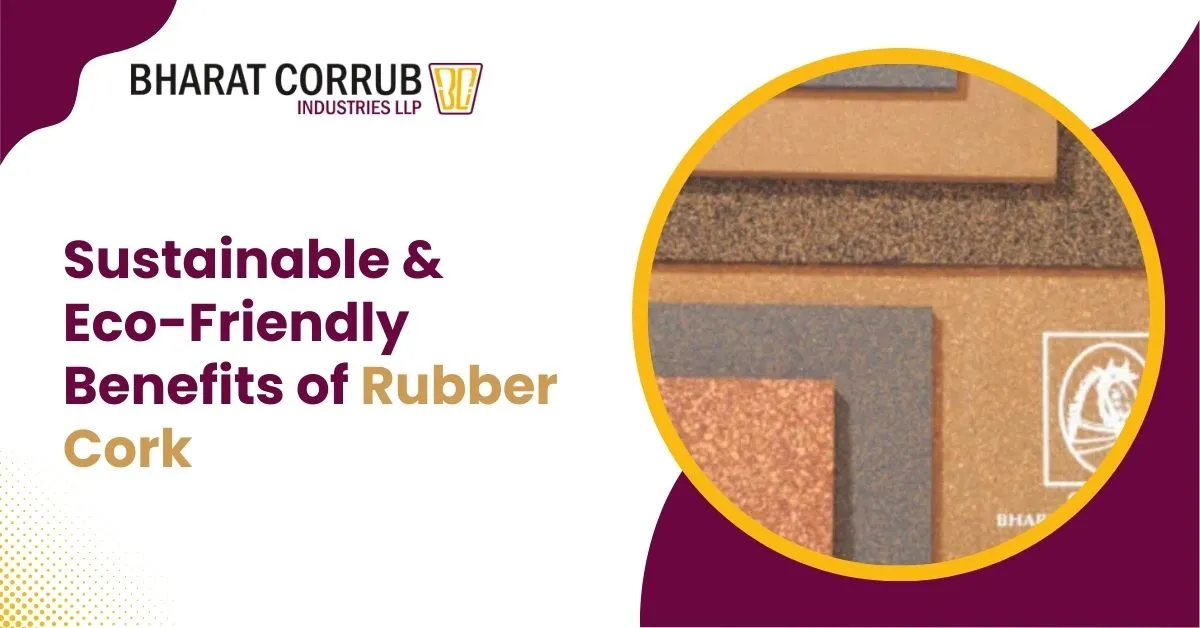
Rubber cork is a composite material made by combining natural cork granules with rubber binders. This unique blend results in a flexible, lightweight, and durable material for rubber cork that performs exceptionally well in sealing, insulation, vibration control, and flooring applications.
Unlike synthetic alternatives, rubber cork uses renewable and recyclable resources, making it an environmentally responsible choice for modern industrial needs.
Why Rubber Cork Is Considered an Eco-Friendly Material?
1. Made from Renewable and Natural Resources
One of the biggest sustainability advantages of rubber cork is its raw material composition.
Key eco-friendly aspects include:
- Cork is harvested from cork oak trees without cutting them down
- Trees regenerate bark every 9–12 years
- Rubber used can be natural or recycled
- Minimal environmental damage during harvesting
This makes rubber cork a renewable material, unlike plastic-based or petroleum-derived alternatives.
2. Supports Recycling and Circular Economy
Rubber cork aligns perfectly with circular economy principles. Many rubber cork products incorporate recycled rubber, reducing landfill waste and extending material life cycles.
Environmental benefits include:
- Reduced industrial rubber waste
- Lower demand for virgin raw materials
- Reusability in multiple applications
- Reduced carbon footprint during production
This makes rubber cork an excellent solution for industries focused on sustainable material sourcing.
3. Excellent Thermal and Acoustic Insulation
Rubber cork provides natural insulation due to its cellular structure.
Performance advantages:
- Reduces heat transfer
- Improves energy efficiency in buildings
- Absorbs sound and vibration
- Enhances indoor comfort
By improving insulation efficiency, rubber cork helps reduce energy consumption—contributing directly to lower greenhouse gas emissions.