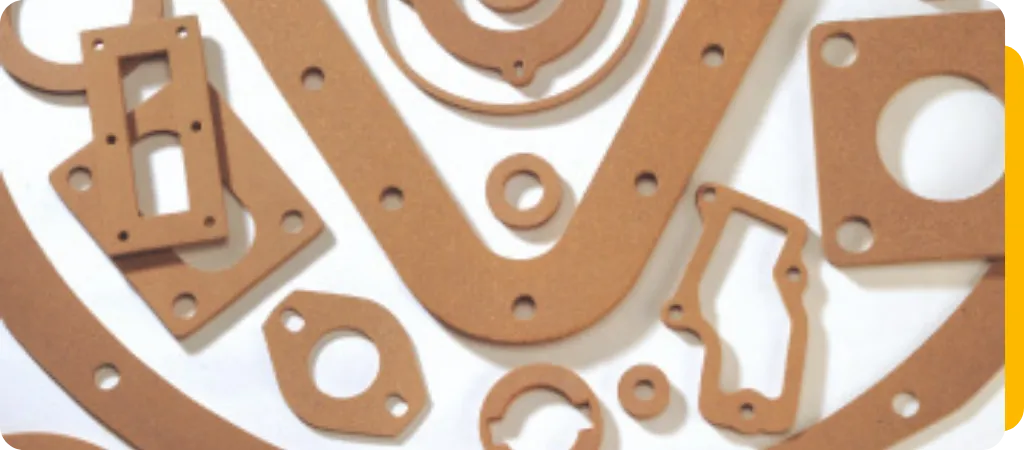
Rubber Cork Transformer Gaskets are high-performance sealing components manufactured from a blend of premium cork granules and synthetic rubber. These gaskets are specifically designed for transformer applications where reliable sealing, oil resistance, and long-term durability are critical. Their unique composition combines the compressibility and resilience of cork with the strength and flexibility of rubber, creating an effective sealing solution for oil-filled transformers and electrical equipment.
Widely used in the power transmission and distribution sector, rubber cork transformer gaskets help prevent transformer oil leakage, maintain sealing integrity, and improve equipment reliability. The material conforms easily to flange surfaces and retains its sealing properties even under continuous compression, making it a preferred choice for transformer manufacturers and power utilities worldwide.
Applications of Rubber Cork Transformer Gaskets
Key Features of Rubber Cork Transformer Gaskets
Benefits of Rubber Cork Transformer Gaskets
Why Choose Bharat Corrub Industries LLP?
Frequently Asked Questions
Rubber Cork Transformer Gaskets are sealing components manufactured from a combination of cork granules and synthetic rubber. They are used in transformers to prevent oil leakage, maintain sealing integrity, and ensure reliable equipment performance.
Rubber cork gaskets are used in transformers because they offer excellent oil resistance, superior compressibility, and long-lasting sealing performance. They help prevent transformer oil leakage and withstand continuous compressive loads.
Rubber cork transformer gaskets are commonly used in power transformers, distribution transformers, current transformers, potential transformers, conservator tanks, transformer covers, switchgear equipment, and electrical substations.
The service life of a rubber cork transformer gasket depends on operating conditions, installation quality, and maintenance practices. When properly installed, they can provide reliable sealing performance for many years.
Common causes include improper installation, excessive compression, aging, exposure to unsuitable fluids, mechanical damage, and poor-quality gasket materials.