In modern industries, even a small leak can lead to equipment failure, product loss, and safety risks. That’s why manufacturers rely on rubber cork strips and rubber cork angles to create leak-proof gaskets that deliver long-term performance. These materials are widely used in automotive, HVAC, electrical, oil & gas, and heavy machinery because they provide excellent sealing, vibration damping, and resistance to oils and chemicals.
What Is Rubber Cork Strip & Rubber Cork Angle?
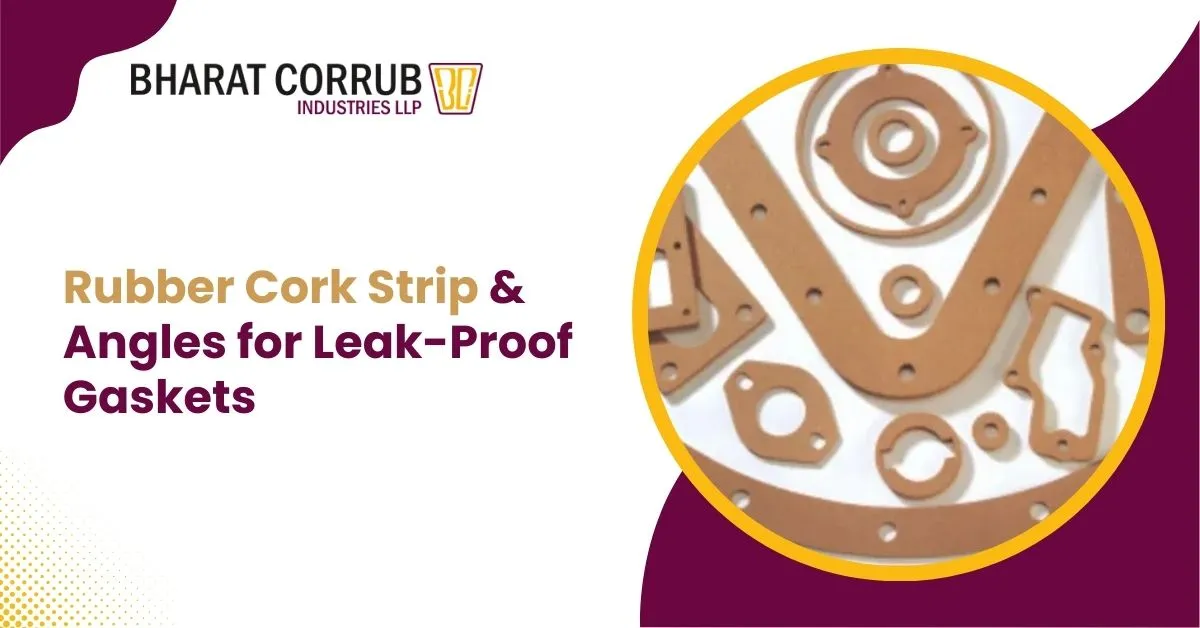
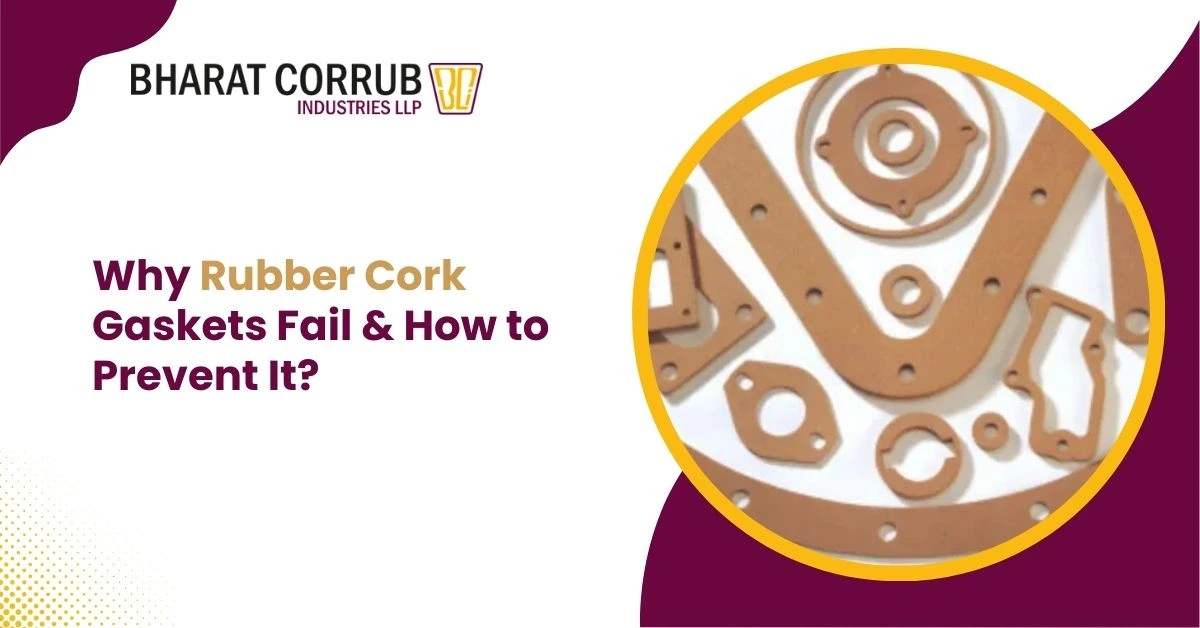
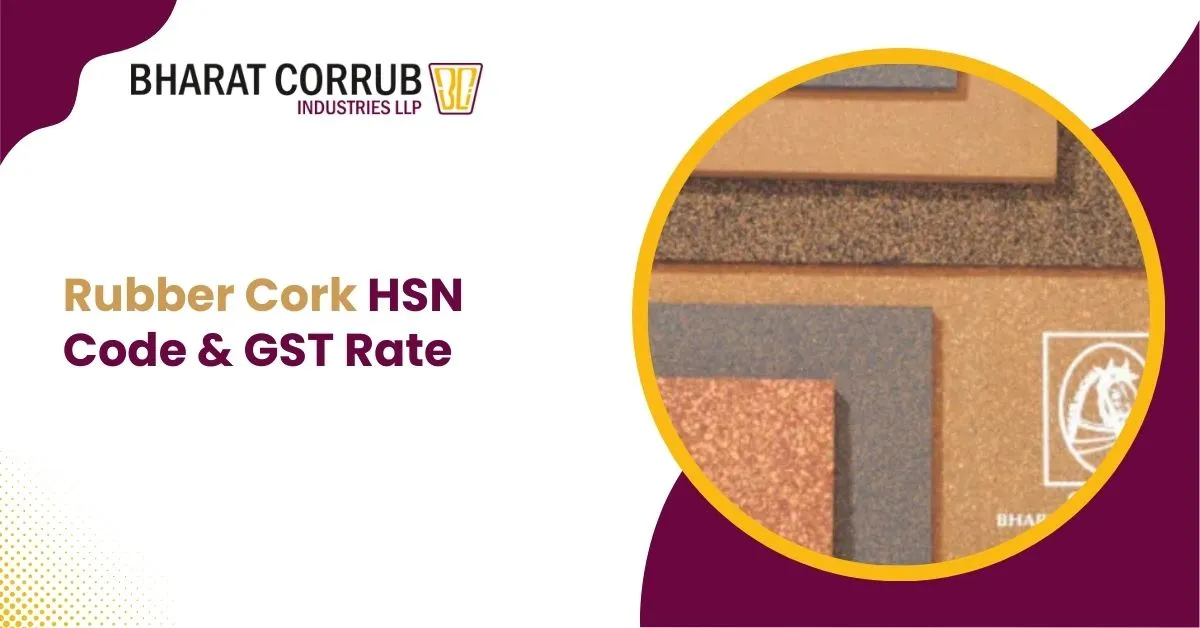
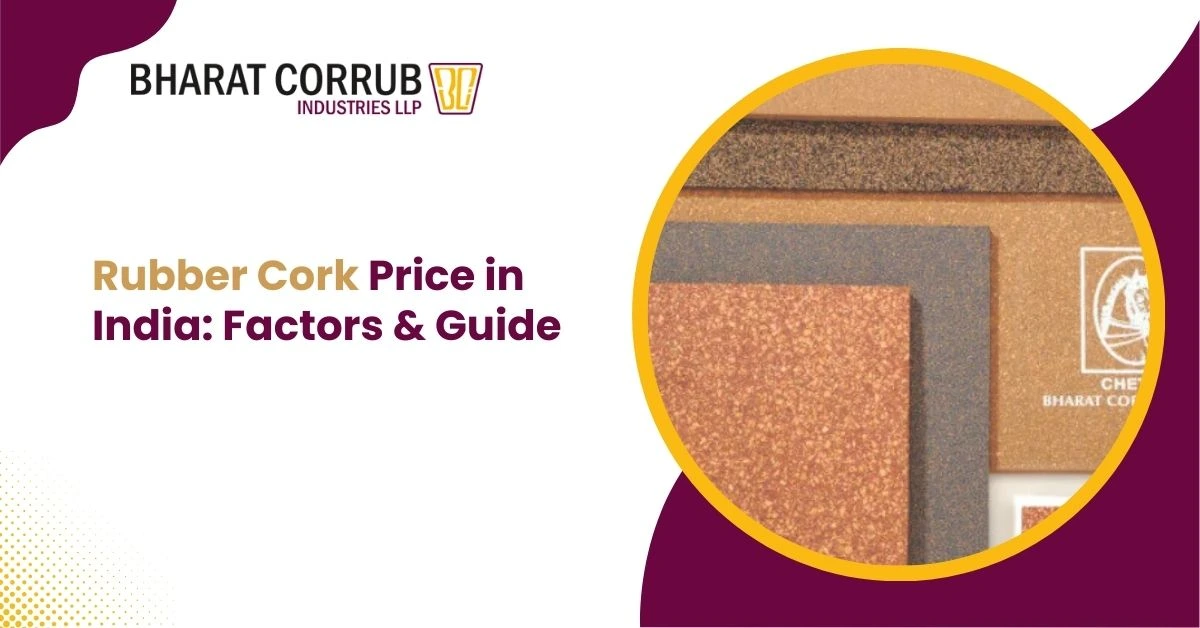
A rubber cork strip is a sealing material made by bonding natural cork granules with industrial rubber. A rubber cork angle is the same composite material formed into an L-shape for sealing corners, edges, and joints.
This unique combination gives you:
- Cork’s compressibility and recovery
- Rubber’s flexibility and chemical resistance
Together, they create a high-performance gasket material that adapts to uneven surfaces and maintains a tight seal under pressure.
How Rubber Cork Works in Industrial Sealing?
When compressed between two metal or mechanical surfaces, rubber cork:
- Fills microscopic surface gaps
- Maintains uniform sealing pressure
- Absorbs vibration and shock
- Prevents fluid, air, and gas leakage
Unlike ordinary rubber or foam, rubber cork has low lateral flow, which means it does not squeeze out under bolt pressure. This ensures long-lasting, leak-proof sealing even in demanding industrial conditions.
Properties of Rubber Cork Strips & Angles
Rubber cork sealing materials offer:
- High compressibility and excellent recovery
- Low Poisson’s ratio (minimal side flow)
- Resistance to oils, fuels, and chemicals
- Vibration and noise absorption
- Thermal and electrical insulation
- Long service life
These properties make rubber cork ideal for industrial gasket applications where reliability is critical.
Applications of Rubber Cork Strips and Angles
Rubber cork strips and angles are commonly used in:
- Flange gaskets for pumps and valves
- HVAC duct sealing
- Transformer and electrical enclosure sealing
- Gearbox and compressor covers
- Machinery panels and inspection doors
- Pipe joints and equipment housings
They provide effective sealing even when surfaces are not perfectly flat.
Looking for reliable, leak-proof sealing solutions? Contact us today for high-quality Rubber Cork Strips and Angles engineered for industrial performance.
Advantages of Using Rubber Cork for Gaskets
Choosing rubber cork strips and angles gives you:
- Leak-proof and airtight sealing
- Better vibration control
- Longer gasket life
- Reduced maintenance and downtime
- Improved equipment performance
- Eco-friendly material (natural cork content)
These benefits make rubber cork a superior alternative to standard rubber, foam, or fibre gaskets.
Rubber Cork vs Other Gasket Materials
Choosing the right gasket material is critical for ensuring leak-proof sealing, equipment safety, and long-term performance. While many materials like rubber, neoprene, foam, and fibre are commonly used, rubber cork stands out because it combines the natural compressibility of cork with the durability and chemical resistance of rubber. This unique combination allows rubber cork gaskets to seal uneven surfaces, absorb vibration, and maintain tight seals under pressure—making them a preferred choice in demanding industrial applications.
| Material | Sealing Ability | Vibration Control | Oil Resistance | Durability |
| Rubber Cork Strip | Excellent | High | High | Long-lasting |
| Rubber Sheet | Good | Low | Medium | Medium |
| Neoprene | Good | Medium | High | Medium |
| Foam Gasket | Low | Medium | Low | Short |
How to Choose the Right Rubber Cork Strip or Angle?
Before selecting a rubber cork product, consider:
- Type of fluid (oil, fuel, water, chemicals)
- Operating temperature
- Compression and pressure levels
- Required thickness and density
- Shape needed (strip or angle)
Matching the correct grade ensures the best sealing and longest service life.