Rubber cork is one of the most trusted materials for industrial sealing, vibration isolation, and acoustic control. But to get the best performance, it is important to choose the correct rubber cork thickness, density, and technical specifications. Selecting the wrong grade can lead to leaks, excessive vibration, or premature failure. This guide explains everything you need to know to select the right rubber cork for your application.
What Is Rubber Cork?
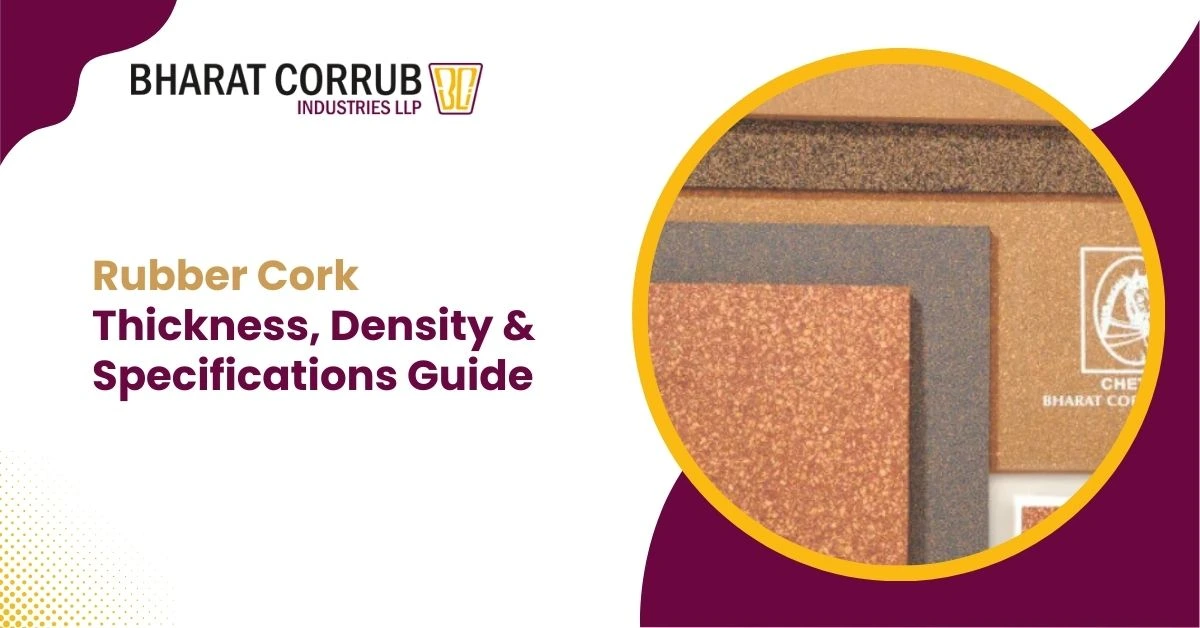
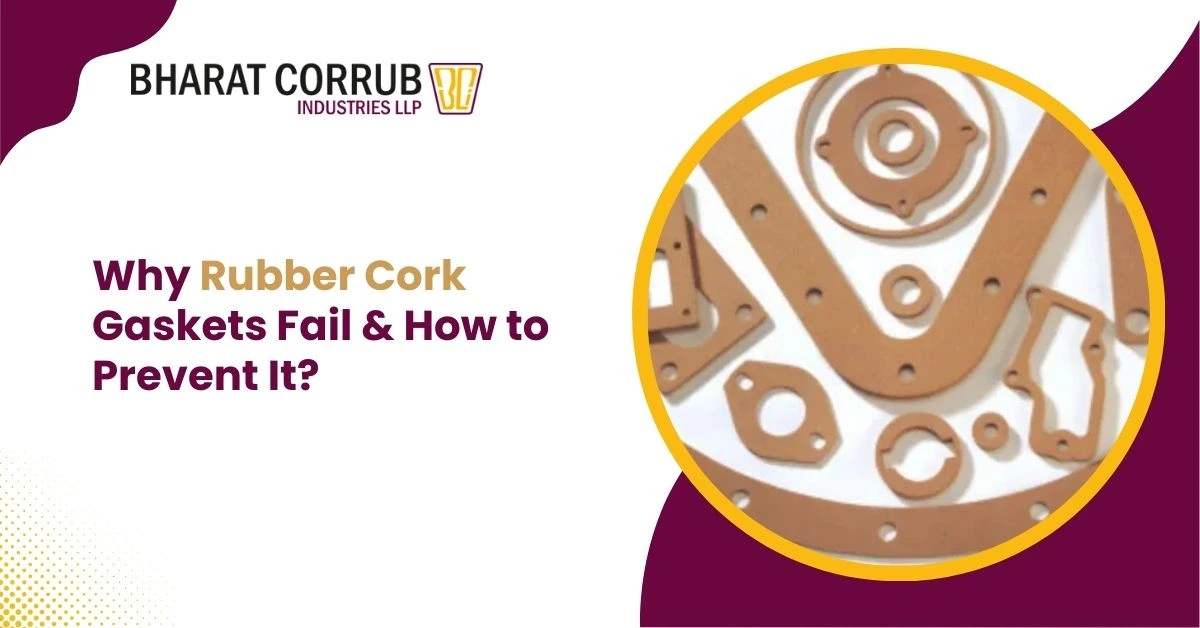
Rubber cork is a composite made by bonding natural cork granules with rubber binders such as nitrile or neoprene. Cork gives the material compressibility and recovery, while rubber adds strength, durability, and resistance to oils and moisture. This combination makes rubber cork ideal for gaskets, vibration pads, and sealing strips in pumps, compressors, HVAC systems, and machinery.
Why Thickness & Density Matter in Rubber Cork?
The performance of rubber cork depends heavily on its thickness and density. Thicker rubber cork provides better vibration isolation and shock absorption, while thinner, denser rubber cork is better for tight sealing applications. Density affects how much the material compresses and how well it maintains sealing pressure under bolt load.
Standard Rubber Cork Thickness Options
Rubber cork is commonly available in thicknesses such as 0.5 mm, 1 mm, 2 mm, 3 mm, 5 mm, 6 mm, and 10 mm.
- Thin sheets (0.5–2 mm) are used for flange gaskets and cover seals
- Medium thickness (3–5 mm) is ideal for general sealing and light vibration damping
- Thicker grades (6–10 mm) are best for anti-vibration pads and machine mounts
Need help selecting the right rubber cork thickness and density for your application? Contact us today for expert guidance!
Understanding Rubber Cork Density
Density refers to how compact the cork and rubber structure is. High-density rubber cork provides strong sealing and low squeeze-out, making it ideal for flanges. Lower-density rubber cork compresses more easily and is better for vibration and sound isolation.
Rubber Cork Specifications to Check
When choosing rubber cork, review:
- Compression set – how well it returns to shape
- Oil and fluid resistance
- Temperature range
- Tensile strength
- Hardness (Shore)
These specifications determine how well rubber cork performs in demanding environments.
Choosing the Right Rubber Cork Grade
Select nitrile-based rubber cork for oil and fuel exposure, and neoprene or EPDM-based grades for water and weather resistance. Always match the grade to your operating conditions.
Rubber Cork Thickness & Density Selection
Selecting the correct rubber cork thickness and density is essential for achieving the right balance between sealing performance and vibration control. The table below provides a practical guide to help match rubber cork specifications with different industrial applications, ensuring optimal durability, compression stability, and long-term reliability.
| Application | Recommended Thickness | Density Type | Purpose |
| Flange gaskets | 1–3 mm | High | Leak-proof sealing |
| HVAC seals | 2–4 mm | Medium | Air and vibration sealing |
| Pump covers | 3–5 mm | Medium–High | Fluid and vibration control |
| Machine mounts | 6–10 mm | Low–Medium | Shock and vibration isolation |