Skip to content
Plain Cork Sheet vs Rubber Cork Sheet

Choosing the right cork sheet material is essential for effective sealing, insulation, and industrial performance. Plain Cork Sheet and Rubber Cork Sheet are two of the most widely used cork-based materials in industrial and commercial applications. Although both are made from cork granules, they have distinct properties, performance characteristics, and best-use scenarios. Understanding the differences between these two materials helps engineers, manufacturers, and maintenance professionals make the right material choice for gaskets, insulation, HVAC systems, transformers, automotive parts, and more.

In this guide, we’ll compare plain cork sheet vs rubber cork sheet, highlight their key differences, explain where each performs best, and answer the most frequently asked questions to help you choose the right cork sheet solution for your needs.

What is a Plain Cork Sheet?

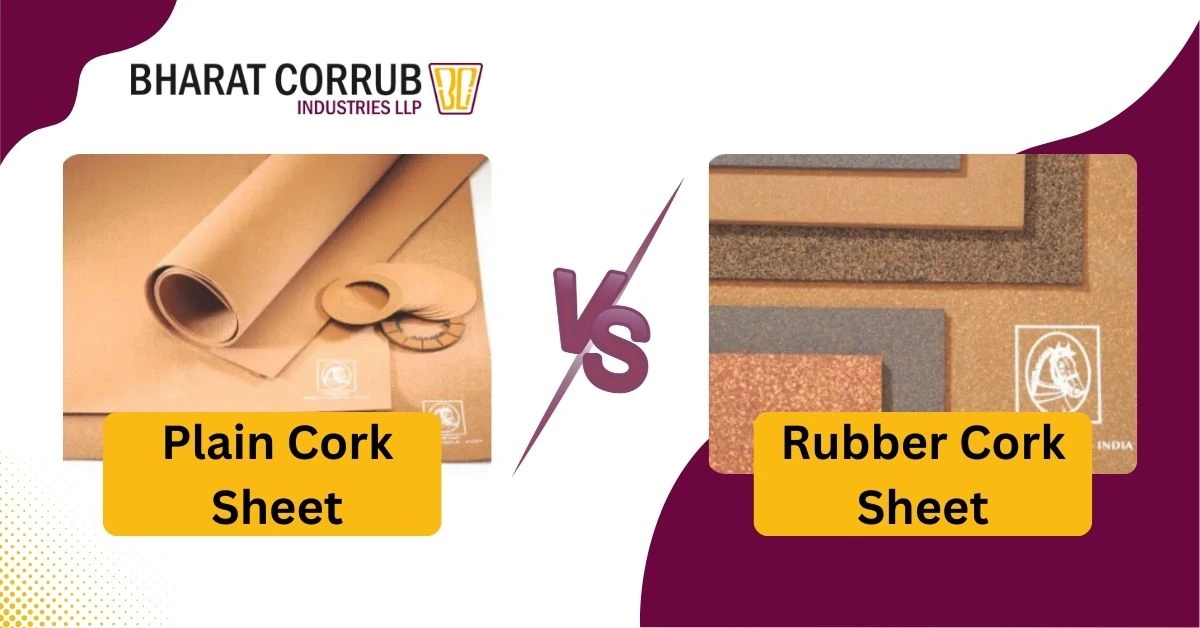
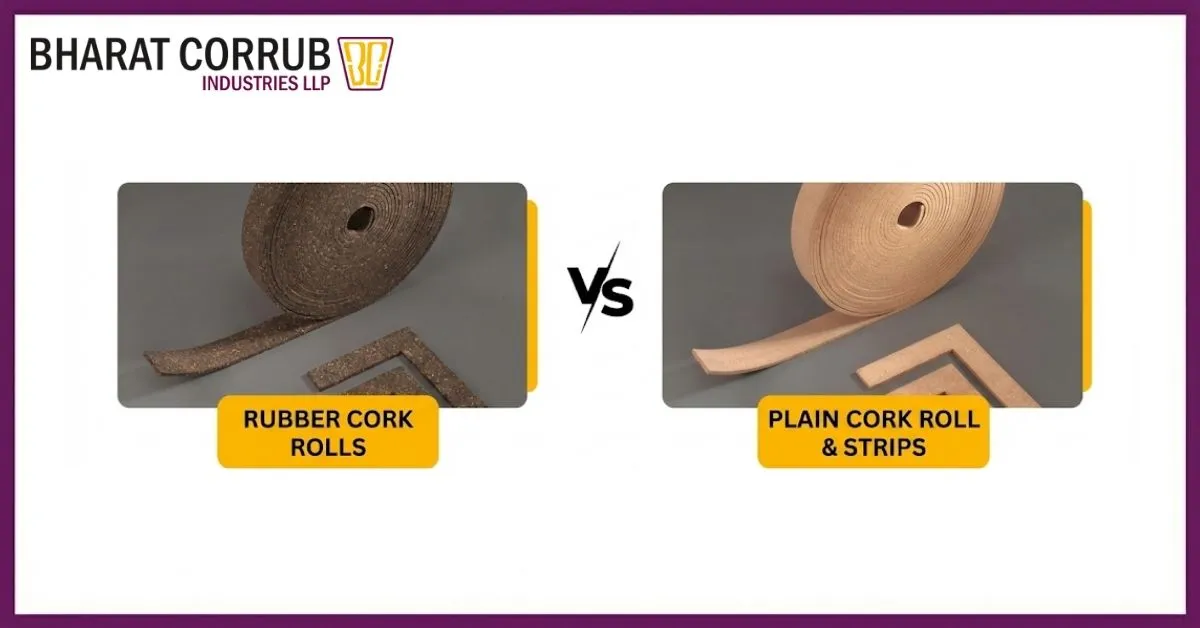
Plain cork sheet is produced by compressing clean, dried cork granules under controlled pressure to form a dense, flexible sheet. This type of Cork Sheet is made solely from cork, without added rubber or elastomeric binders. The result is a lightweight and eco-friendly insulation and sealing material with excellent compressibility and thermal properties.

Common uses of plain cork sheet include:

  • Thermal insulation panels
  • Cushioning pads
  • Notice boards and craft applications
  • Light sealing and gasket applications
  • Sound and vibration damping

What is a Rubber Cork Sheet?

Rubber cork sheet is manufactured by blending cork granules with rubber polymers such as Nitrile (NBR) or Neoprene (CR). This combination enhances the natural compressibility of cork and adds the mechanical strength, chemical resistance, and durability of rubber. Rubber Cork Sheet is a top choice for industrial sealing and gasket applications where environmental exposure, oil resistance, and mechanical performance are critical.

Common uses of rubber cork sheet include:

  • Transformer gaskets
  • Automotive sealing and gasket material
  • Industrial machinery sealing
  • Oil and fuel sealing systems
  • HVAC and electrical equipment gaskets

Key Differences Between Plain Cork Sheet and Rubber Cork Sheet

Comparing plain Cork Sheet vs Rubber Cork Sheet helps identify the best material for your specific industrial or insulation needs.

FeaturePlain Cork SheetRubber Cork Sheet
CompositionNatural cork granulesCork mixed with synthetic rubber
FlexibilityModerateHigh
Oil & Chemical ResistanceLowExcellent
DurabilityModerateHigh
Sealing PerformanceGoodExcellent
Industrial Gasket UseLight dutyHeavy duty
Temperature & Pressure HandlingMediumHigh

The rubber binder in rubber cork sheet enhances elasticity, strength, and resistance, making it more suitable for demanding applications. In contrast, plain cork sheet is better suited for lighter insulation and basic sealing tasks.

Properties Comparison of Plain vs Rubber Cork Sheet

Understanding Cork Sheet properties is key to choosing the right material for gasket, sealing, and insulation applications.

Both plain and Rubber Cork Sheet share some core properties like compressibility and insulation, but they differ in others:

  • Compressibility: Both materials compress under load, but rubber cork sheet recovers quicker due to rubber elasticity.
  • Thermal Insulation: Plain cork sheet provides excellent thermal insulation; rubber cork sheet also performs well but adds mechanical durability.
  • Chemical Resistance: Plain cork sheet offers limited chemical resistance; rubber cork sheet performs exceptionally well against oils, fuels, and industrial fluids.
  • Flexibility: Rubber cork sheet is significantly more flexible, making it better for complex surface seals.
  • Temperature Handling: Rubber cork sheet handles wider temperature ranges without degradation.

Applications of Plain Cork Sheet

The Plain Cork Sheet uses are focused on insulation, cushioning, and light sealing functions where heavy chemical exposure is not a priority.

Plain cork sheet is ideal for:

  • Thermal insulation boards and panels
  • Acoustic damping materials
  • Craft and display boards
  • Light gasket sealing in dry environments
  • Cushioning and packaging components

This material is especially useful where eco-friendly and lightweight insulation is preferred over heavy industrial performance.

Looking for durable cork sheet for gasket or insulation use? Contact us now to discuss your industrial requirements.

Applications of Rubber Cork Sheet

The Rubber Cork Sheet applications are centered on industrial sealing, gasket manufacturing, and environments with chemical or oil exposure.

Rubber cork sheet excels in:

  • Transformer gasket sealing
  • Automotive gasket applications
  • Oil and fuel sealing systems
  • Heavy industrial equipment sealing
  • HVAC and electrical equipment gaskets

The enhanced properties of rubber cork sheet make it well suited for industrial equipment, machinery seals, and high-pressure gasket applications.

Which is Better: Plain Cork Sheet or Rubber Cork Sheet?

Choosing between plain Cork Sheet vs Rubber Cork Sheet depends on your specific application requirements and operating environment.

When to Choose Plain Cork Sheet

  • Light-duty insulation systems
  • Non-oil sealing applications
  • Thermal insulation where minimal mechanical stress is present
  • Eco-friendly or craft use

When to Choose Rubber Cork Sheet

  • Oil, fuel, and chemical resistance required
  • Industrial gasket and sealing applications
  • High pressure or high temperature environments
  • Long-term durability under mechanical stress

Rubber cork sheet is generally more versatile and suitable for industrial sealing, while plain cork sheet remains a valuable option for insulation and light sealing needs.

How to Choose the Right Cork Sheet for Your Application?

Selecting the best Cork Sheet material requires considering key factors like environment, pressure, temperature, and chemical exposure.

Key selection criteria:

  • Operating environment: Oil, fuel, and chemical exposure favor rubber cork sheet
  • Pressure and temperature requirements: High stress calls for rubber cork sheet
  • Insulation needs: Plain cork sheet offers excellent thermal insulation
  • Budget and performance balance: Match cost versus application demands

Frequently Asked Questions

Plain cork sheet is made from natural cork granules, while rubber cork sheet adds rubber binders for enhanced strength and resistance.

Rubber cork sheet is better for industrial sealing and oil exposure; plain cork sheet is ideal for insulation and light gasket uses.

Yes, rubber cork sheet offers excellent resistance to oils, fuels, and industrial chemicals.

Yes, but it is best for light gasket applications with minimal oil exposure.

Rubber cork sheet is commonly used due to its oil resistance and sealing performance.

Conclusion

Choosing the right cork sheet depends on your application environment, performance needs, and material requirements. With a clear understanding of plain Cork Sheet vs Rubber Cork Sheet, you can make an informed decision that improves performance, extends service life, and delivers reliable results in insulation and sealing applications.

Back To Top