Skip to content
How to Choose the Right Cork Sheet for Industrial Applications

Selecting the right material plays a major role in ensuring long-term performance and reliability in industrial systems. A Cork Sheet is widely used because of its natural flexibility, sealing ability, and resistance to pressure and temperature. However, not every cork sheet is suitable for all applications, and choosing the wrong type can lead to leakage, vibration issues, and increased maintenance.

A properly selected Cork Sheet helps industries improve sealing efficiency, reduce wear and tear, and maintain consistent performance under different operating conditions. Understanding how to evaluate and select the right material ensures better productivity and avoids unnecessary downtime in industrial processes.

What is Cork Sheet and Why it is Used in Industrial Applications

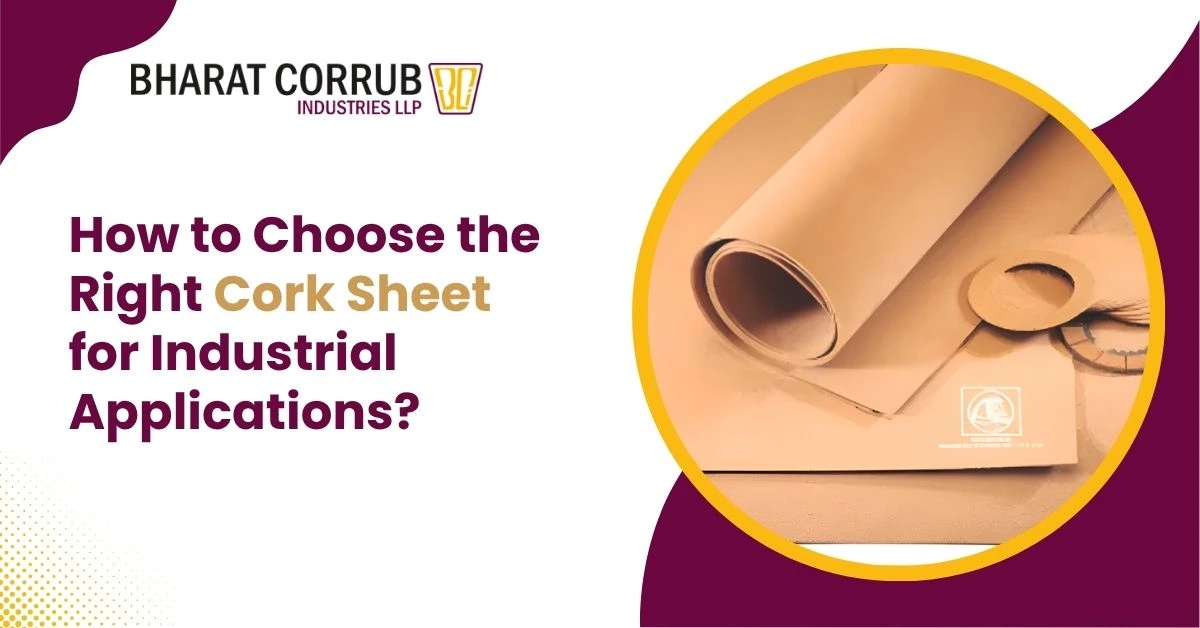
A cork sheet is a material made from cork granules that are compressed and bonded, sometimes combined with rubber to enhance strength and flexibility. It is known for its ability to compress under pressure and return to its original shape, making it highly effective for sealing and cushioning applications.

Industries use Cork Sheets because they provide excellent insulation, vibration absorption, and resistance to fluids. These properties make them suitable for applications where tight sealing and durability are required, such as machinery, automotive components, and industrial equipment.

Why Cork is Preferred:

  • High compressibility with recovery
  • Effective sealing against fluids and gases
  • Thermal and sound insulation
  • Resistance to vibration and pressure
  • Long-lasting and durable

Key Factors to Evaluate Before Selecting Cork Sheet

Choosing the right Cork Sheet requires understanding multiple technical factors that directly impact performance. Each application has different requirements, and selecting the correct combination of properties ensures better efficiency and longer lifespan.

Industries must carefully evaluate operating conditions such as temperature, pressure, and exposure to chemicals before finalizing the material. A properly selected Cork Sheet ensures that the system performs reliably without frequent replacement or failure.

Important Factors to Consider:

  • Thickness and density based on load conditions
  • Type of cork (natural or rubberized)
  • Resistance to oil, fuel, or chemicals
  • Temperature tolerance of the material
  • Compression and recovery performance

Types of Cork Sheets Used in Industrial Applications

Different types of Cork Sheets are designed to meet specific industrial needs, and selecting the right type depends on the application. Each type offers different levels of flexibility, strength, and resistance.

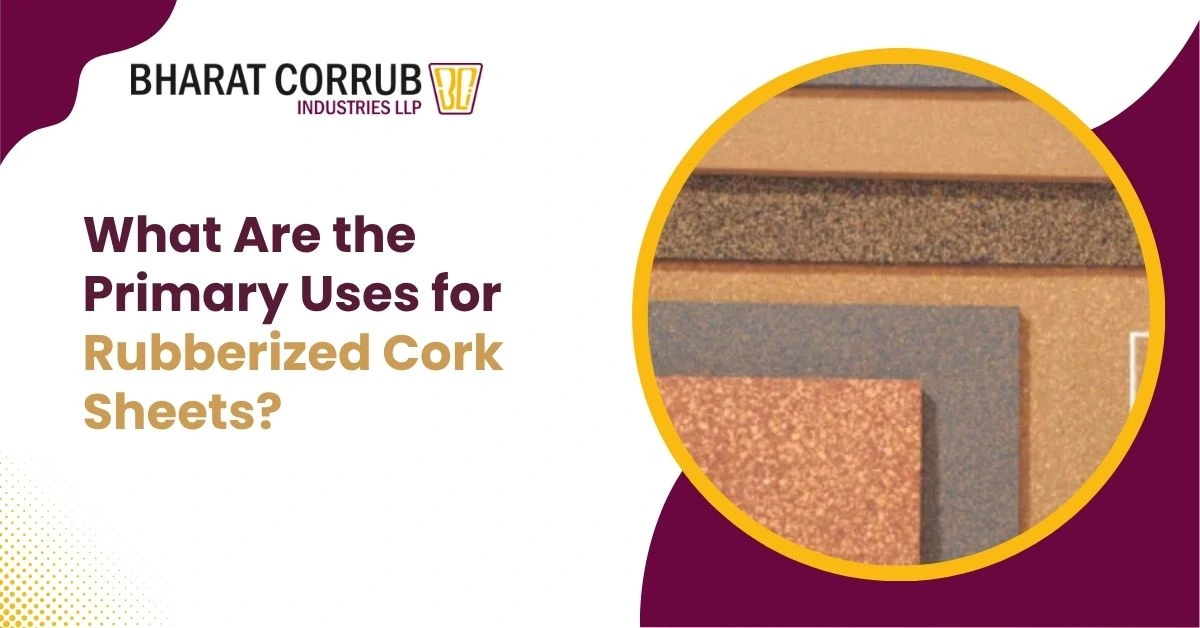
Natural cork sheets are mainly used for insulation and lightweight applications, while rubberized cork sheets are widely used for sealing and gasket purposes. A Cork Sheet can be customized with different rubber compositions to improve performance in demanding environments.

Common Types:

  • Natural cork sheets for insulation
  • Rubberized cork sheets for sealing
  • Nitrile cork sheets for oil resistance
  • Neoprene cork sheets for chemical resistance

How to Select the Right Cork Sheet Based on Application Needs

Instead of following a fixed process, selecting the right Cork Sheet should be based on understanding your application requirements and matching them with material properties. This approach helps industries make practical decisions rather than relying on general guidelines.

For example, if the application involves oil or fuel exposure, a rubberized Cork Sheet with oil resistance is required. Similarly, for vibration control, a thicker and more flexible material is preferred. Matching the right type of Cork Sheet with the specific use ensures better performance and reduces operational issues.

Application-Based Selection Guide:

  • For sealing → Use rubberized cork sheets
  • For insulation → Use natural cork sheets
  • For oil exposure → Use nitrile cork sheets
  • For chemical environments → Use neoprene cork sheets
  • For vibration control → Use thicker cork sheets

Looking to choose the right cork sheet for your industrial application? Contact us now to discuss your industrial requirements.

Industrial Applications of Cork Sheets

A Cork Sheet is used across various industries because of its versatility and performance. Its ability to compress and adapt to surfaces makes it ideal for applications where sealing and cushioning are required.

Industries rely on Cork Sheets for their durability and ability to maintain performance under pressure. This makes them suitable for both heavy-duty machinery and precision equipment.

Common Applications:

  • Gaskets and sealing systems
  • Automotive components
  • Electrical insulation
  • Anti-vibration pads
  • HVAC systems

Key Benefits of Using Cork Sheets in Industry

Using a Cork Sheet provides several advantages that improve efficiency and reduce maintenance costs. Its natural structure offers unique benefits that are difficult to achieve with other materials.

A Cork Sheet not only improves sealing performance but also enhances the overall durability of industrial systems. This makes it a reliable choice for long-term use.

Key Benefits:

  • Strong sealing capability
  • High durability and flexibility
  • Excellent vibration absorption
  • Good thermal insulation
  • Easy to install and maintain

Common Mistakes to Avoid When Choosing Cork Sheet

Selecting the wrong material can lead to performance issues and increased maintenance costs in industrial applications. Many industries choose a Cork Sheet based only on price or availability, without properly evaluating technical requirements, which results in poor sealing and reduced efficiency.

Avoiding common mistakes helps ensure that the selected Cork Sheet performs reliably under real working conditions. A proper understanding of application needs and material properties can prevent failures and improve long-term performance.

Mistakes to Avoid:

  • Selecting incorrect thickness for the application
  • Ignoring temperature and pressure conditions
  • Choosing natural cork instead of rubberized cork for sealing
  • Not considering chemical or oil exposure
  • Overlooking quality and density of the material

How to Maintain and Extend the Life of Cork Sheets

Proper maintenance plays an important role in ensuring the durability and performance of a Cork Sheet in industrial applications. Even though cork is naturally durable, regular inspection and correct usage help extend its lifespan and maintain efficiency.

Industries should follow basic maintenance practices to prevent damage and ensure consistent performance. A well-maintained Cork Sheet reduces downtime, improves sealing reliability, and minimizes replacement costs over time.

Maintenance Tips:

  • Inspect regularly for wear and damage
  • Avoid over-compression during installation
  • Keep the surface clean and free from contaminants
  • Replace worn-out sheets on time
  • Use correct installation techniques

Frequently Asked Questions

You should evaluate your application requirements such as temperature, pressure, and exposure to chemicals to select the right type of cork sheet.

Natural cork is mainly used for insulation, while rubberized cork offers better sealing, flexibility, and resistance for industrial applications.

Yes, rubberized cork sheets are designed to handle pressure and maintain sealing performance even under demanding conditions.

Yes, cork sheets have excellent vibration damping properties, making them ideal for machinery and equipment applications.

You should consider load, pressure, and exposure conditions, and choose a rubberized cork sheet with higher density for better durability.

Conclusion

Choosing the right Cork Sheet for industrial applications requires a clear understanding of material properties and application requirements. By focusing on factors like type, thickness, and resistance, industries can ensure better performance and reliability in their systems. Selecting the correct material helps avoid common issues such as leakage, vibration, and frequent maintenance.

A well-selected Cork Sheet not only improves efficiency but also enhances the durability of industrial equipment. By matching the right material to the application, businesses can achieve long-term performance, reduce operational costs, and maintain consistent productivity.

Mehul Tolia is a Partner at Bharat Corrub Industries LLP (BCI), a leading manufacturer and exporter of cork and rubber cork products in India. With nearly a decade of experience, he has been a driving force behind BCI’s business development, product innovation, and process optimization initiatives. His leadership emphasizes quality, sustainability, and customer satisfaction, helping BCI strengthen its global presence. As a member of CII Young Indians (Yi) Vadodara), Mehul is passionate about fostering industrial growth and promoting innovation within the manufacturing sector.

Back To Top
WhatsApp chat