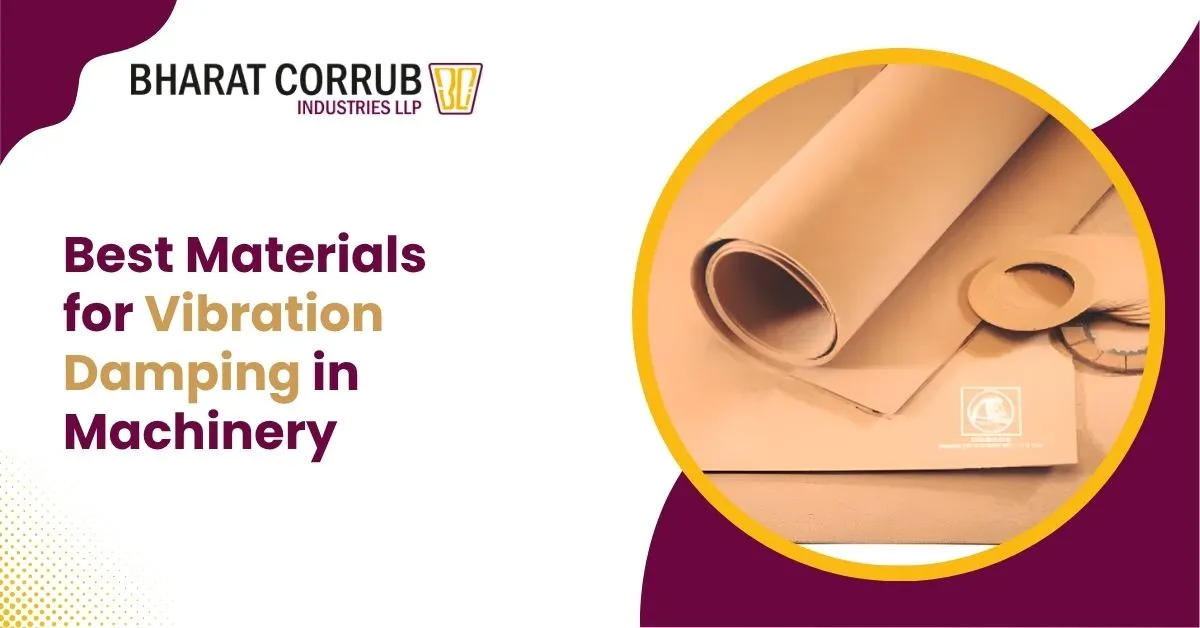
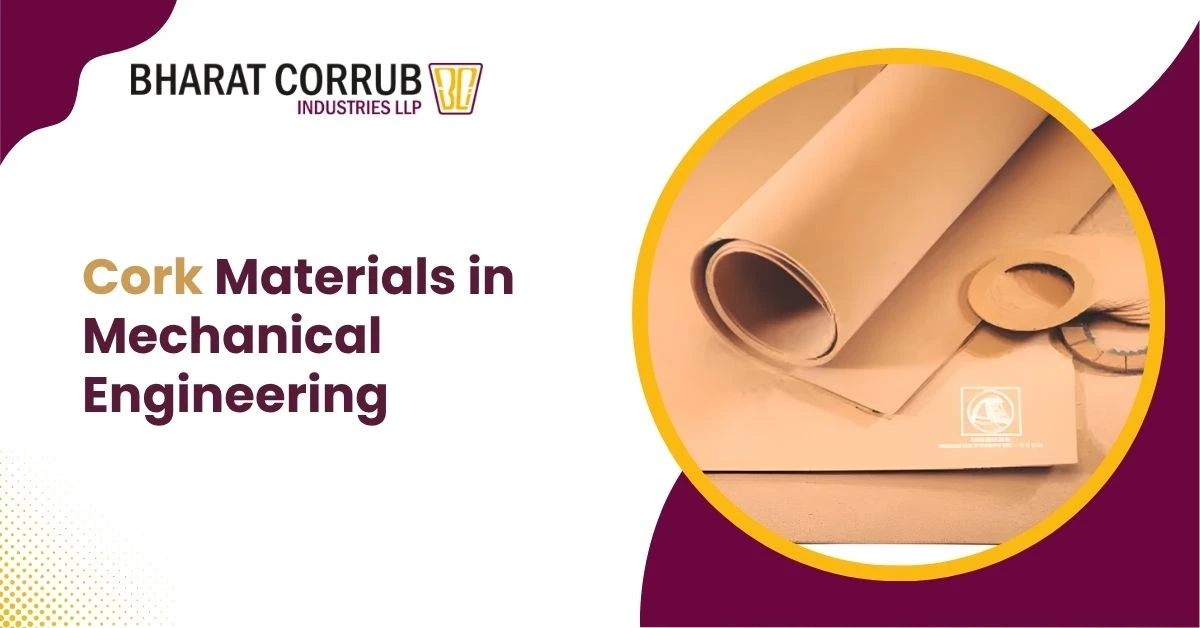
In industrial machinery, vibration is a natural byproduct of moving components, rotating parts, and operational loads. However, uncontrolled vibration can lead to serious issues such as noise, mechanical wear, reduced efficiency, and even structural damage. Managing vibration effectively is essential to ensure smooth operation and long-term reliability of equipment.
One of the most effective ways to control vibration is by using specialized materials designed to absorb and dissipate mechanical energy. Among these, Rubber Cork stands out as a highly reliable solution due to its balanced combination of flexibility, strength, and damping capability. This guide explores the best materials used for vibration damping in machinery and helps in selecting the right option for different industrial needs.
Why Vibration Damping is Critical in Machinery?
Vibration in machinery is caused by dynamic forces such as imbalance, friction, and continuous movement. If not controlled, it can negatively impact both machine performance and operator safety. Materials like cork and rubber cork are widely used in industrial applications because of their excellent vibration absorption and damping properties.
Effective vibration damping helps in:
- Reducing wear and tear of components
- Minimizing operational noise
- Improving machine stability
- Enhancing efficiency and performance
- Extending equipment lifespan
Proper damping ensures that vibrations are absorbed at the source instead of being transmitted across the system.
Key Properties of Effective Damping Materials
Not all materials are suitable for vibration control. Effective damping materials must possess specific physical and mechanical properties that allow them to absorb and dissipate energy efficiently. Materials such as cork and rubber cork are widely preferred because they combine flexibility, compressibility, and long-term durability in demanding industrial environments.
Important properties include:
- High compressibility with good recovery
- Elasticity and flexibility
- Resistance to mechanical stress
- Ability to absorb shock and vibration
- Stability under varying conditions
Materials with these characteristics provide better control over vibration and improve overall system performance.
Cork-Based Materials for Vibration Control
Cork-based materials are widely used for vibration control because of their natural resilience, lightweight structure, and excellent energy absorption capability. The unique cellular structure of cork allows it to compress under pressure and recover its original shape once the load is removed, making it highly effective for reducing vibration and noise in industrial applications.
As a vibration damping material, cork offers:
- Lightweight structure
- Good cushioning properties
- Effective noise reduction
- Resistance to deformation over time
Cork is suitable for applications where moderate vibration control and insulation are required.
Rubber Cork: Advanced Vibration Damping Solution
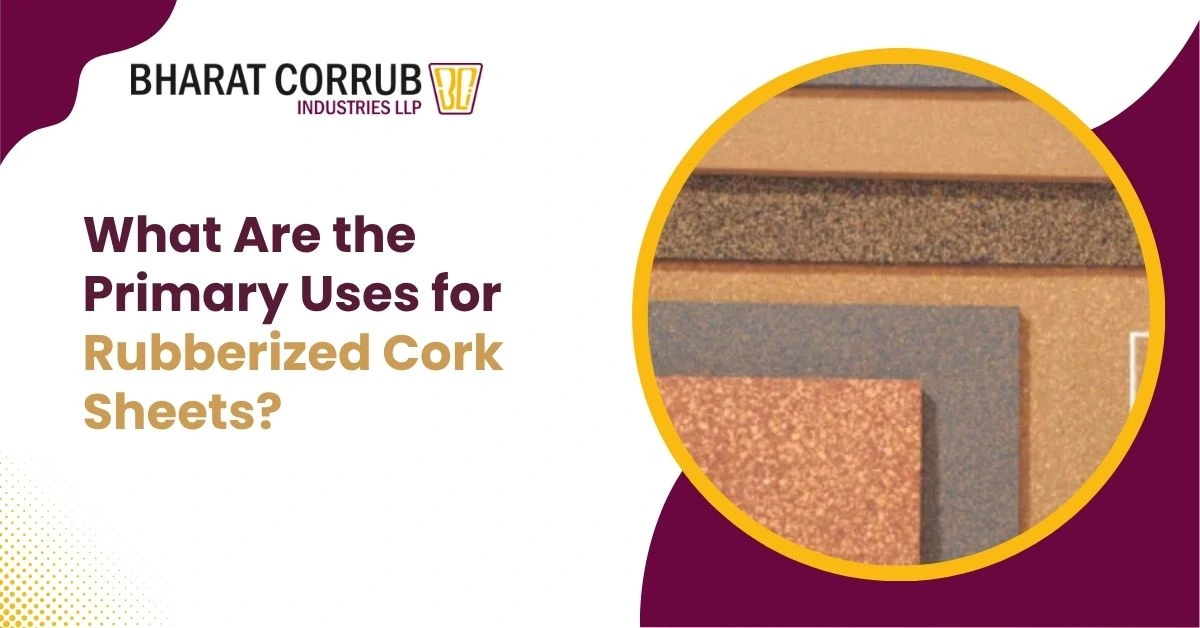
Rubber cork is a composite material that combines cork with rubber to enhance its performance. This combination improves strength, flexibility, and durability, making it suitable for demanding industrial applications.
A Rubber Cork material provides excellent vibration damping by absorbing mechanical energy and reducing transmission. It performs well under continuous operation and maintains its properties over time.
Key advantages include:
- High vibration absorption capability
- Excellent compressibility and recovery
- Improved resistance to stress and fatigue
- Reliable performance in industrial conditions
- Versatile use across multiple applications
Rubber Cork Gaskets in Machinery
Rubber cork is widely used in gasket applications where both sealing and vibration damping are required. These rubber cork gaskets act as a barrier between components while also reducing vibration transfer.
Common uses include:
- Machinery joints and connections
- Engine and gearbox components
- Pumps and compressors
- Industrial equipment housings
These applications benefit from reduced vibration, improved sealing, and enhanced durability.