



Selecting the right sealing and insulation material is essential for ensuring long-term performance in industrial…
- 8 minute read
- Mehul Tolia
- Product Guide
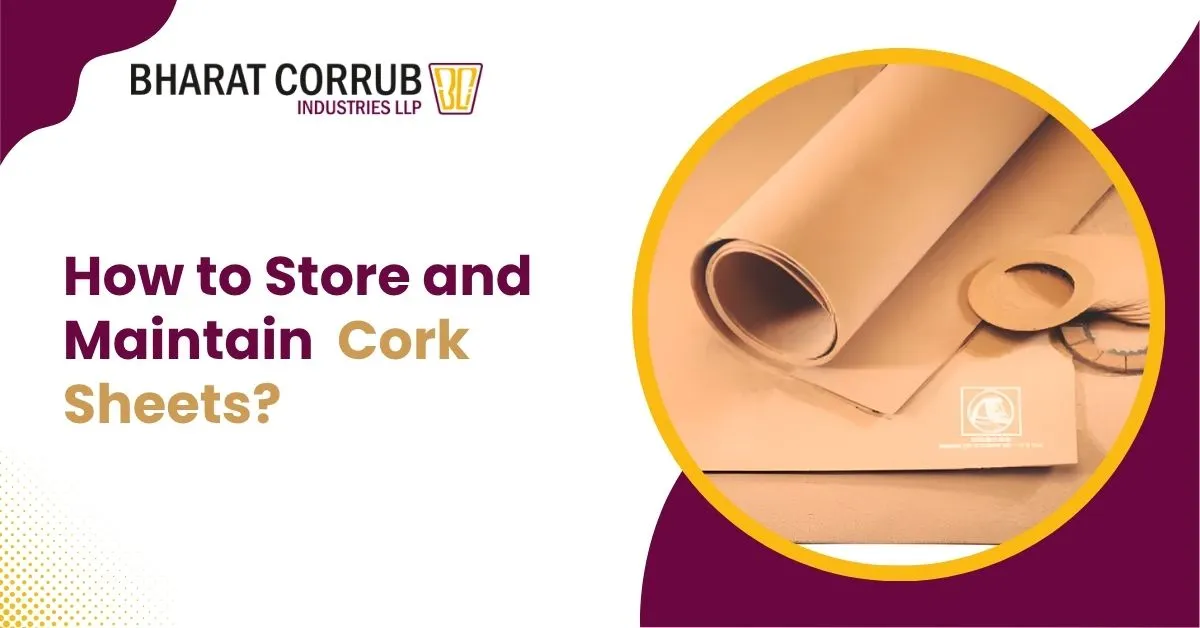
Proper storage and maintenance are essential to ensure the performance and durability of a Cork Sheet in industrial applications. Even though cork is naturally resilient, incorrect handling or storage conditions can affect its compressibility, flexibility, and sealing performance over time. Environmental factors such as moisture, temperature changes, and exposure to sunlight can gradually degrade the material if not controlled properly.
A well-maintained Cork Sheet retains its original properties such as elasticity and resistance to pressure, which are critical for industrial use. By storing cork sheets correctly and maintaining them regularly, businesses can extend their lifespan, reduce replacement costs, and ensure consistent performance in demanding environments. Proper practices also help avoid unexpected failures during operation.
What is Cork Sheet?
A Cork Sheet is a material made from natural cork granules, often combined with rubber to improve strength and flexibility. It is widely used in sealing, insulation, and vibration control applications due to its ability to compress and recover under pressure. This makes it suitable for industrial systems where durability and adaptability are required for long-term performance.
Why Proper Maintenance is Important?
Proper maintenance is important because a Cork Sheet can lose its effectiveness if exposed to moisture, extreme temperatures, or improper handling. Over time, this can lead to hardening, cracking, or loss of sealing ability, which affects system efficiency. Maintaining the right conditions ensures that the material continues to perform efficiently and reliably.
Ideal Storage Conditions for Cork Sheet
Storing a Cork Sheet in the right environment is crucial to preserve its structure and performance. It should be kept in a clean, dry area away from direct sunlight and extreme temperature changes, as these conditions can reduce flexibility and affect its durability. Stable storage conditions help maintain the material’s original properties for longer periods.
Proper storage also prevents deformation and contamination of the Cork Sheet, ensuring that it remains ready for use when required. Keeping the sheets flat and protected from external elements helps avoid unnecessary damage. This ensures consistent performance when the material is used in industrial applications.
Storage Guidelines:
- Store in a cool and dry place
- Avoid exposure to direct sunlight
- Keep away from moisture and humidity
- Place on flat surfaces to prevent bending
- Protect from dust and contaminants
Handling Practices to Prevent Damage
Careful handling is necessary to avoid physical damage to a Cork Sheet during transportation and installation. Rough handling can cause cracks, surface damage, or loss of compressibility, which directly impacts its performance in sealing and insulation applications. Proper handling ensures that the material remains intact and functional.
By following correct handling practices, industries can maintain the quality of the Cork Sheet throughout its usage cycle. Using clean tools and avoiding excessive force during cutting or installation helps preserve its structure. This results in better performance and longer service life.
Handling Tips:
- Avoid folding or excessive bending
- Use clean tools during cutting
- Handle with care to prevent surface damage
- Store properly after partial use
- Avoid stacking heavy materials on top
Step-by-Step Guide to Store and Maintain Cork Sheet
Proper handling of a Cork Sheet requires a structured approach to ensure it maintains its flexibility, sealing ability, and durability over time. Following a step-by-step method helps industries avoid damage, improve performance, and extend the lifespan of the material in real working conditions.
Step 1: Choose the Right Storage Area
Start by selecting a clean, dry, and well-ventilated area for storing the Cork Sheet. Avoid places with high humidity, direct sunlight, or extreme temperature changes, as these conditions can affect its structure and reduce performance over time.
Step 2: Store Sheets in Flat Position
Always place the Cork Sheet on a flat surface to prevent bending, warping, or deformation. Stacking should be done carefully without applying excessive weight, as pressure can damage the material and reduce its compressibility.
Step 3: Protect from Moisture and Contamination
Ensure that the Cork Sheet is protected from moisture, dust, and chemicals during storage. Use proper covering or packaging to maintain cleanliness and prevent contamination that could affect sealing and insulation performance.
Step 4: Handle with Care During Usage
While handling the Cork Sheet, avoid folding, dragging, or applying excessive force. Use proper tools for cutting and installation to maintain its structure and ensure it performs effectively in industrial applications.
Step 5: Inspect Before Installation
Before using a Cork Sheet, inspect it for any signs of cracks, hardening, or surface damage. This step ensures that only good-quality material is used, preventing performance issues after installation.
Step 6: Install with Proper Pressure
During installation, apply uniform pressure to the Cork Sheet to ensure proper sealing. Avoid over-compression, as it can damage the material and reduce its ability to recover its original shape.
Step 7: Perform Regular Maintenance Checks
After installation, regularly inspect the Cork Sheet for wear, leakage, or reduced performance. Timely maintenance and replacement help maintain efficiency and prevent operational failures.
Looking for Cork Sheet for long-lasting industrial performance? Contact us today for expert guidance and reliable material solutions.
Common Mistakes to Avoid in Storage and Maintenance
Many industries face performance issues because of improper storage and handling of Cork Sheet materials. Mistakes such as storing in humid environments or exposing the material to direct sunlight can significantly reduce its effectiveness. These errors often lead to premature failure and increased maintenance costs.
Avoiding these common mistakes ensures that the Cork Sheet performs efficiently and lasts longer in industrial applications. Proper awareness and correct practices help maintain quality and prevent unnecessary operational issues. This ultimately improves reliability and efficiency.
Mistakes to Avoid:
- Storing in humid or wet conditions
- Exposure to direct sunlight
- Over-compressing during installation
- Ignoring regular inspection
- Using damaged or worn-out sheets
How to Identify When Cork Sheet Needs Replacement?
Knowing when to replace a Cork Sheet is important to maintain performance and prevent system failures. Over time, the material may lose its elasticity or show visible signs of wear, which can affect its sealing capability. Early detection helps avoid leakage and operational issues.
Regular inspection allows industries to identify problems such as cracks, hardening, or loss of compression in the Cork Sheet. Replacing the material at the right time ensures continued efficiency and prevents damage to equipment. This is essential for maintaining smooth industrial operations.
Signs of Replacement:
- Visible cracks or surface damage
- Loss of compressibility
- Leakage in sealing applications
- Hardening of material
- Reduced performance under pressure
Best Practices for Long-Term Storage of Cork Sheet
For long-term storage, a Cork Sheet should be kept under controlled conditions to prevent deterioration over time. It is important to maintain stable temperature and humidity levels to preserve its flexibility and performance. Proper packaging can also help protect the material from environmental exposure.
Storing a Cork Sheet for extended periods requires careful planning to avoid deformation or contamination. Keeping the sheets in original packaging or covered storage areas helps maintain their quality. These practices ensure that the material remains usable even after long storage durations.
Importance of Proper Installation for Cork Sheet Performance
Proper installation is equally important as storage and maintenance for ensuring the effectiveness of a Cork Sheet. Incorrect installation can lead to over-compression or uneven pressure distribution, which reduces sealing performance and shortens the lifespan of the material.
A correctly installed Cork Sheet ensures uniform sealing and optimal performance in industrial applications. Using the right tools and following recommended installation methods helps maintain the material’s properties. This improves efficiency and reduces the chances of failure during operation.
Frequently Asked Questions
A Cork Sheet should be stored in a dry, cool place away from sunlight and moisture to preserve its flexibility and performance.
Yes, improper storage or exposure to harsh conditions can reduce the compressibility and durability of a Cork Sheet.
It is safe only if they are placed flat and not overloaded, as excessive weight can deform the Cork Sheet.
Regular inspection should be done to check for damage or wear and ensure the Cork Sheet is functioning properly.
Improper storage, over-compression, and exposure to moisture are the most common reasons for Cork Sheet failure.
Conclusion
Proper storage and maintenance are essential to ensure the long-term performance of a Cork Sheet in industrial applications. By following the right storage conditions and handling practices, industries can preserve the material’s flexibility, sealing ability, and durability. This helps in maintaining consistent performance and avoiding unnecessary replacements.
A well-maintained Cork Sheet not only improves efficiency but also reduces operational costs by extending its lifespan. Understanding the correct methods of storage, handling, and inspection ensures that cork sheets continue to deliver reliable results in demanding industrial environments.
Cork Sheet 10mm ThickCork Sheet for TransformerCork Sheet GasketCork Sheet ThicknessPlain Sheet Uses

Mehul Tolia
Mehul Tolia is a Partner at Bharat Corrub Industries LLP (BCI), a leading manufacturer and exporter of cork and rubber cork products in India. With nearly a decade of experience, he has been a driving force behind BCI’s business development, product innovation, and process optimization initiatives. His leadership emphasizes quality, sustainability, and customer satisfaction, helping BCI strengthen its global presence. As a member of CII Young Indians (Yi) Vadodara, Mehul is passionate about fostering industrial growth and promoting innovation within the manufacturing sector.
Related Posts

Cork Sheets are increasingly being used in flooring applications due to their excellent acoustic insulation,…
Mechanical engineering relies on materials that can provide durability, vibration control, insulation, and long-term performance…

