Skip to content
Rubber Cork in Transformers & Electrical Equipment

Transformers and electrical systems are some of the most critical components in power generation and distribution. They operate continuously under high voltage, elevated temperatures, vibration, and oil-filled environments. Even a small failure such as oil leakage, moisture entry, or vibration damage can lead to electrical breakdowns, fires, or costly shutdowns. This is why rubber cork has become one of the most trusted materials in transformer and electrical equipment design.

Rubber cork provides a unique combination of sealing ability, electrical insulation, vibration damping, and chemical resistance, making it ideal for protecting sensitive electrical components and extending the lifespan of power equipment.

Rubber Cork for Transformer Sealing

Rubber cork is widely used to seal transformer tanks, covers, flanges, and inspection plates. Transformers contain insulating oil that cools the internal components and prevents electrical arcing. If this oil leaks or if air enters the system, transformer efficiency and safety are seriously compromised.

Rubber cork gaskets compress tightly between metal surfaces, filling small imperfections and creating a leak-proof barrier. Even as metal parts expand and contract due to heat, rubber cork maintains its sealing pressure, preventing oil leakage and oxidation inside the transformer.

What Is Rubber Cork?

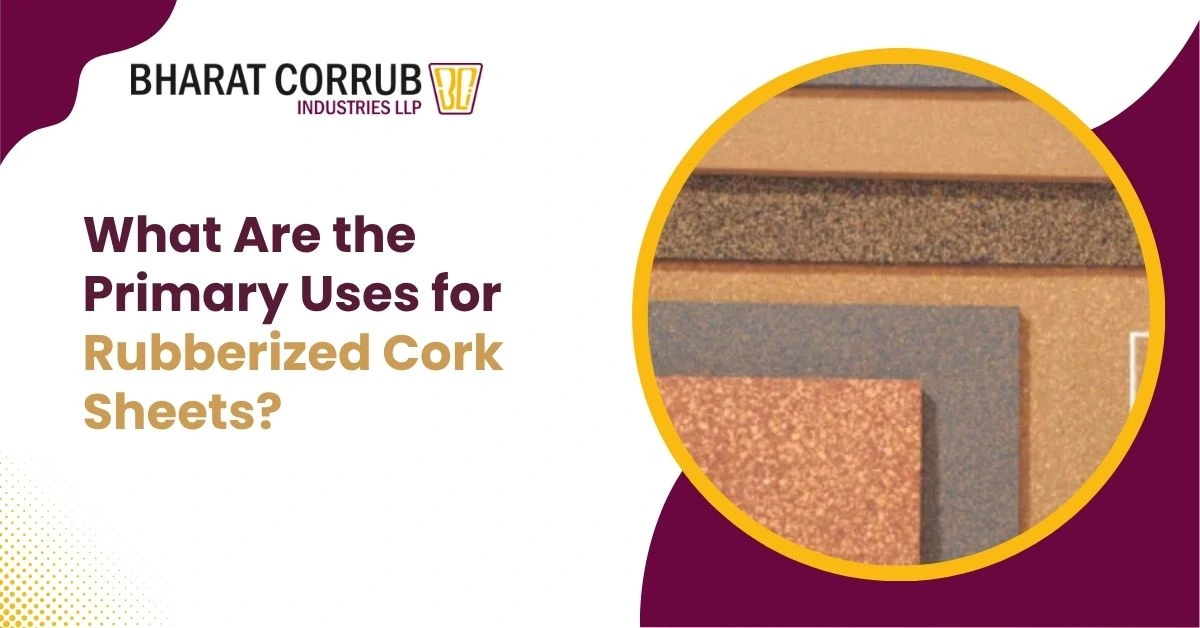
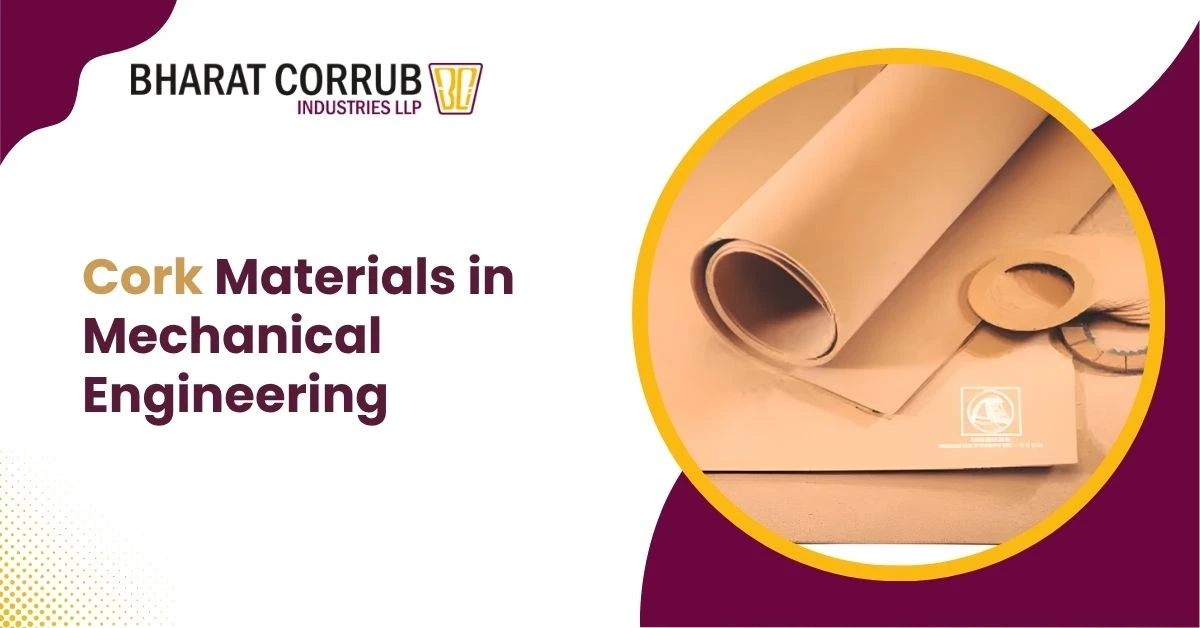
Rubber cork is a specially engineered composite made by bonding natural cork granules with synthetic rubber such as nitrile or neoprene. Cork provides natural compressibility and resilience, while rubber adds strength, flexibility, and resistance to oils and moisture.

This combination allows rubber cork to behave differently from plain rubber. It does not easily squeeze out under pressure and continues to spring back after compression, which is essential for maintaining tight seals in electrical equipment.

How Rubber Cork Protects Electrical Equipment?

In electrical systems, rubber cork protects equipment in several important ways. It acts as a sealant, preventing moisture, dust, and oil from entering electrical enclosures. It also absorbs vibration that could loosen fasteners, crack insulation, or damage internal wiring.

Rubber cork also provides electrical insulation, reducing the risk of electrical leakage between metal parts. This helps prevent short circuits, corrosion, and electrical faults that could otherwise shut down power systems.

Properties of Rubber Cork for Electrical Applications

The ideal combination of sealing strength, vibration absorption, and electrical insulation is provided by rubber cork for reliable transformer and electrical equipment performance.:

  • Excellent compressibility and recovery
  • High resistance to transformer oil and moisture
  • Strong vibration and noise damping
  • Reliable electrical insulation
  • Low lateral flow under bolt pressure
  • Long-term dimensional stability

These properties ensure rubber cork performs reliably for years without losing its sealing or insulating ability.

Applications of Rubber Cork in Transformers & Electrical Equipment

Rubber cork is used throughout electrical and power systems, including a wide range of sealing, insulation, and vibration-control applications such as:

  • Transformer tank gaskets
  • Transformer lid and flange seals
  • Switchgear and circuit breaker enclosures
  • Electrical control panels
  • Junction boxes
  • Cable entry and conduit sealing

In all these areas, rubber cork prevents oil leaks, blocks moisture, and reduces vibration that could damage sensitive electrical components.

Looking for rubber cork solutions that deliver reliable sealing and electrical insulation? Contact us today!

Advantages of Using Rubber Cork in Electrical Systems

Rubber cork is widely used in transformers and electrical equipment because it delivers a unique combination of sealing, insulation, and vibration protection. Its ability to perform reliably in oil-filled, high-temperature, and high-voltage environments makes it one of the most trusted materials for electrical applications. Below are the key advantages of using rubber cork:

  • Provides leak-proof sealing to prevent transformer oil and moisture leakage.
  • Protects electrical components from dust, humidity, and contaminants.
  • Absorbs vibration and shock, reducing mechanical stress on equipment.
  • Helps prevent loosening of fasteners and internal damage.
  • Offers excellent electrical insulation, lowering the risk of short circuits.
  • Resists transformer oil, chemicals, and temperature variations.
  • Maintains compression and sealing pressure over long periods.
  • Improves equipment safety and operational reliability.
  • Extends the service life of transformers and electrical systems.
  • Reduces maintenance and repair costs.

Rubber Cork vs Other Electrical Gasket Materials

Selecting the right gasket material is critical for ensuring oil-tight sealing, electrical insulation, and vibration control in transformers and electrical equipment. While materials like rubber, fibre, and foam are commonly used, rubber cork provides a unique combination of performance benefits that make it far more reliable in demanding electrical environments.

MaterialSealing AbilityOil ResistanceVibration ControlElectrical InsulationDurability
Rubber CorkExcellent – seals uneven surfacesHigh – ideal for transformer oilHigh – absorbs shock and noiseHigh – prevents current leakageLong-lasting
RubberGoodMediumLowMediumMedium
Fiber GasketMediumLowLowMediumShort
FoamLowLowMediumLowShort

Why Rubber Cork Performs Better?

Rubber cork combines cork’s natural compressibility with rubber’s strength and chemical resistance, allowing it to seal tightly, resist transformer oil, and dampen vibration at the same time. This makes rubber cork the most dependable choice for electrical and transformer gasket applications.

How to Choose the Right Rubber Cork for Electrical Equipment?

To select the best rubber cork, consider:

  • Exposure to transformer oil and moisture
  • Operating temperature
  • Pressure and compression requirements
  • Thickness and density
  • Whether the application needs sealing, insulation, or vibration control

Choosing the right grade ensures optimal protection and long-term performance.

Frequently Asked Questions

Rubber cork is used to seal transformer tanks, covers, and flanges to prevent insulating oil leakage and air or moisture entry.

Yes. Rubber cork is highly resistant to transformer oil, moisture, and chemicals, making it ideal for electrical equipment sealing.

Yes. Rubber cork offers excellent electrical insulation, helping reduce the risk of current leakage and short circuits.

Rubber cork is commonly used in switchgear, electrical panels, junction boxes, and transformer enclosures for sealing and protection.

Rubber cork provides better compressibility, longer sealing life, superior vibration damping, and higher resistance to oil and moisture than plain rubber gaskets.

Conclusion

Rubber cork is one of the most important materials used in transformers and electrical equipment today. Its ability to seal insulating oil, block moisture, absorb vibration, and provide electrical insulation makes it ideal for protecting power systems. By using rubber cork in critical sealing and insulation applications, manufacturers and operators can improve safety, increase reliability, and significantly extend the life of electrical equipment.

Mehul Tolia is a Partner at Bharat Corrub Industries LLP (BCI), a leading manufacturer and exporter of cork and rubber cork products in India. With nearly a decade of experience, he has been a driving force behind BCI’s business development, product innovation, and process optimization initiatives. His leadership emphasizes quality, sustainability, and customer satisfaction, helping BCI strengthen its global presence. As a member of CII Young Indians (Yi) Vadodara), Mehul is passionate about fostering industrial growth and promoting innovation within the manufacturing sector.

Rubber Cork Insights and Trends
1. Rubber Sheet Standards and Quality Certifications
2. Rubber Cork Sheet Tax Details
3. Sustainable and Eco-Friendly Benefits of Rubber Cork
4. Latest Trends in Rubber Cork Applications
5. How to Store & Maintain Rubber Cork Products?
6. Why Rubber Cork Gaskets Fail & How to Prevent It?
7. Rubber Cork Quality Standards & Certifications
8. Rubber Cork HSN Code & GST Rate
9. Rubber Cork Price in India: Factors & Guide
10. Rubber Cork Manufacturing Process Explained
11. Rubber Cork Thickness, Density & Specifications Guide
12. How to Choose the Right Rubber Cork Material?
13. Rubber Cork vs Neoprene Gaskets
14. Rubber Cork vs Rubber Sheet: Which Is Better?
15. Rubber Cork vs Plain Cork: Key Differences Explained
16. Rubber Cork for Noise & Vibration Control
17. Rubber Cork for HVAC, Compressors & Pumps
18. Rubber Cork in Transformers & Electrical Equipment
19. Rubber Cork for Automotive Industry Applications
20. Rubber Cork Strip & Angles for Leak-Proof Gaskets
21. Rubber Cork Gasket: Why It’s Ideal for Industrial Sealing
22. Rubber Cork Roll: Applications in Sealing & Vibration Control
23. Rubber Cork Sheet: Properties, Uses & Benefits
Back To Top