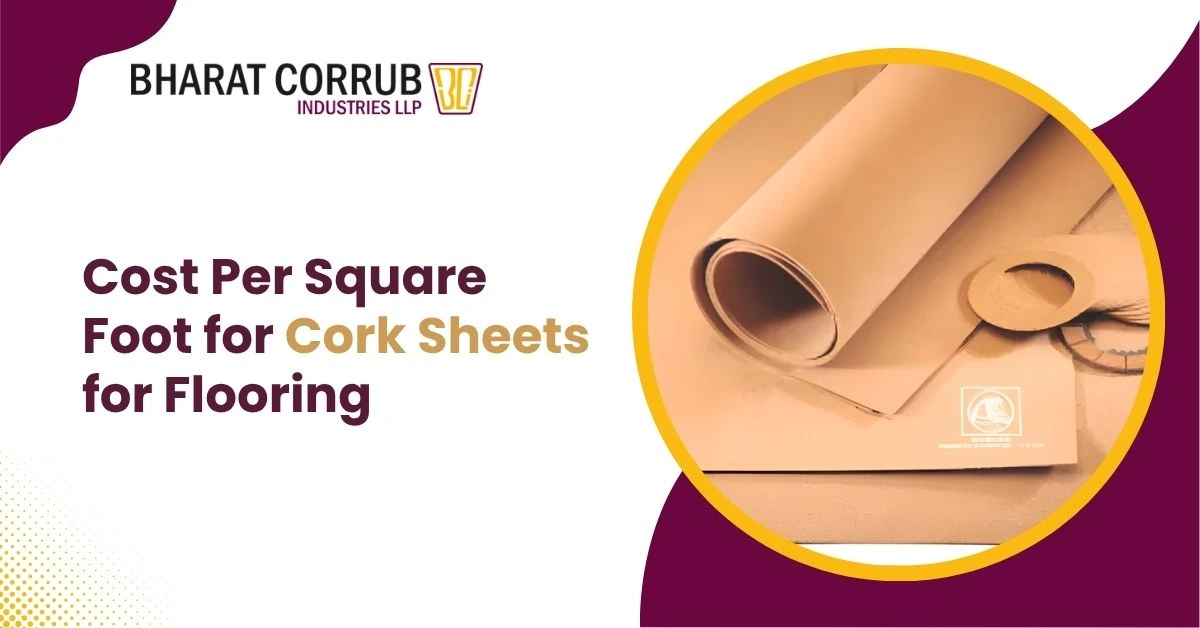
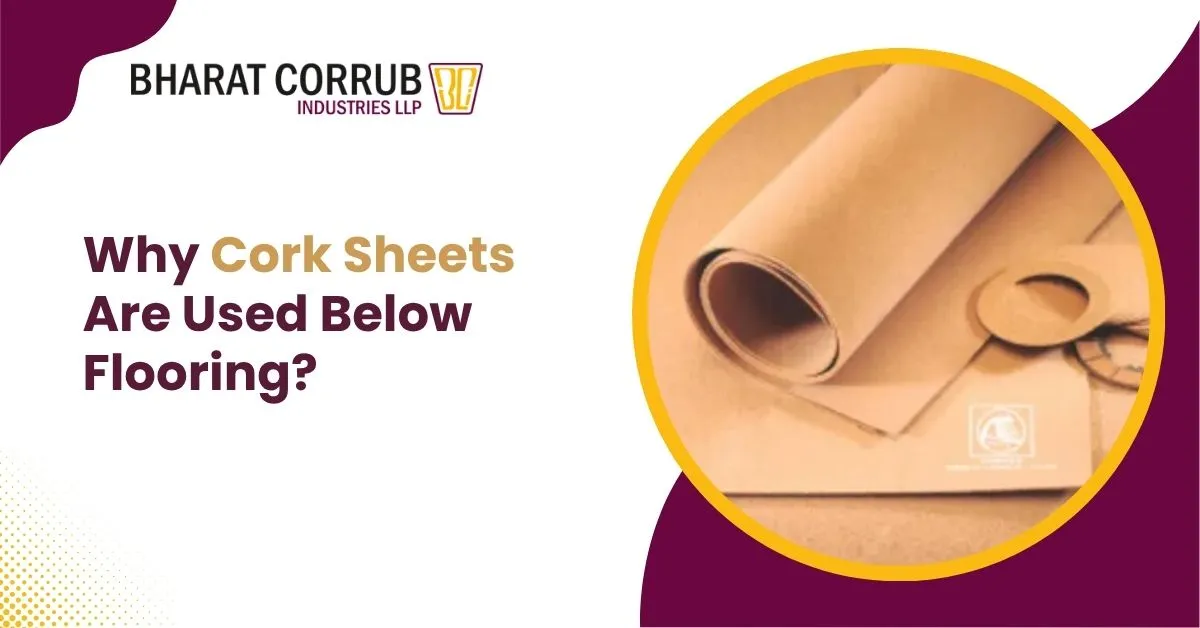
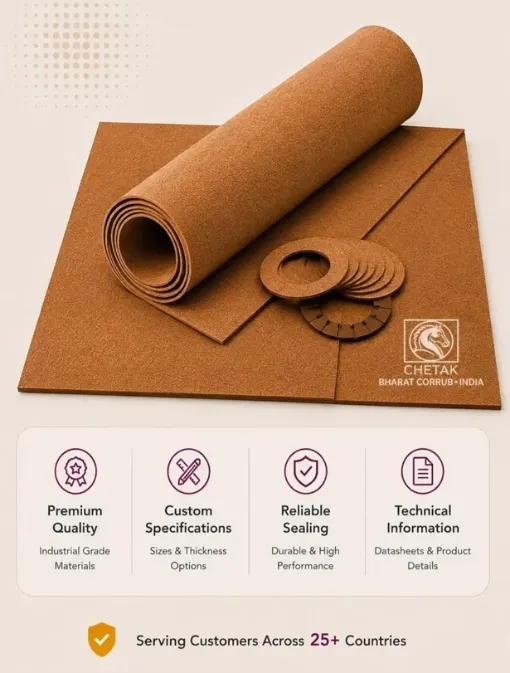
Cork Sheets are increasingly being used in flooring applications due to their excellent acoustic insulation, vibration absorption, durability, and comfort underfoot. Whether used in residential, commercial, transportation, or industrial environments, cork flooring solutions offer long-term performance along with sustainability benefits. One of the most common questions buyers ask is about the cost per square foot for Cork Sheets used in flooring.
The price of Cork Sheets depends on several factors, including sheet thickness, density, quality grade, dimensions, application requirements, and order quantity. Understanding these factors can help buyers make informed purchasing decisions while selecting the right material for their projects.
What Influences the Cost of Cork Sheets?
Several factors determine the pricing of Cork Sheets for flooring applications:
- Sheet thickness
- Density and grade of cork
- Manufacturing quality
- Acoustic insulation requirements
- Anti-vibration performance specifications
- Custom sizing requirements
- Volume of purchase
- Export or domestic supply requirements
Higher-performance Cork Sheets designed for industrial or transportation applications generally command a higher price than standard flooring-grade materials.
Typical Cost Range of Cork Sheets for Flooring
The cost of Cork Sheets varies depending on technical specifications and intended use. Buyers should evaluate performance requirements before comparing prices.
| Factor | Impact on Cost |
| Thickness | Thicker sheets generally cost more |
| Density | Higher density grades increase pricing |
| Acoustic Properties | Enhanced insulation grades may cost more |
| Custom Sizes | Custom dimensions can affect pricing |
| Order Quantity | Bulk purchases often reduce per-unit costs |
| Application Type | Industrial applications may require specialized grades |
Why Cork Sheets Are Popular for Flooring Applications?
A combination of comfort, durability, acoustic insulation, and vibration absorption makes Cork Sheets a preferred choice for various flooring systems across residential, commercial, and industrial environments.
Key benefits include:
- Excellent acoustic insulation
- Vibration dampening properties
- Lightweight construction
- Comfortable walking surface
- Thermal insulation
- Long-term durability
- Resistance to compression
- Eco-friendly material composition
These advantages often justify the investment when compared with conventional flooring underlay materials.
Looking for high-quality Cork Sheets? Contact us to bring durable, high-performance cork solutions into your operations.
Applications of Cork Sheets in Flooring
Across multiple industries and environments, Cork Sheets are used to enhance flooring performance, improve acoustic insulation, and reduce vibration transmission.
- Residential flooring systems
- Commercial buildings
- Office spaces
- Educational institutions
- Transportation vehicles
- Railway coaches
- Industrial flooring systems
- Sound-sensitive environments
Their ability to reduce noise transmission and absorb vibration makes them particularly valuable in high-traffic areas.
How to Select the Right Cork Sheets for Flooring?
Before purchasing Cork Sheets, buyers should consider:
- Flooring type
- Load-bearing requirements
- Desired insulation performance
- Thickness requirements
- Environmental conditions
- Project budget
- Installation method
Consulting an experienced manufacturer helps ensure the selected material meets both technical and commercial expectations.
Why Quality Matters When Comparing Cork Sheet Prices?
The lowest-priced Cork Sheets may not always provide the best long-term value. Quality manufacturing processes, consistent density, dimensional stability, and reliable performance significantly affect product life and effectiveness.
Premium-quality Cork Sheets deliver:
- Better dimensional stability
- Consistent density throughout the sheet
- Improved thermal and acoustic insulation
- Higher vibration absorption
- Longer service life
- Reduced maintenance costs
- Reliable long-term flooring performance
Manufacturers with established quality systems and extensive industry experience are better positioned to deliver dependable Cork Sheets for residential, commercial, transportation, and industrial flooring applications.