Skip to content
How Cork Helps Reduce Machine Noise

Industrial environments often operate with machinery that generates continuous vibration and noise. Excessive machine noise not only affects workplace comfort but may also indicate vibration transfer and mechanical stress that can influence equipment performance over time. To address these challenges, industries increasingly rely on materials capable of absorbing vibration and reducing sound transmission. Among these materials, Cork has gained strong recognition because of its natural acoustic and anti-vibration properties.

Cork is a lightweight and compressible material with a unique cellular structure that contains millions of tiny air-filled cells. This structure enables Cork to absorb vibration, dampen sound waves, and reduce transmitted machine noise more effectively than many conventional materials. Because of these properties, Cork is widely used across engineering, flooring, transport, and machinery applications where vibration control and acoustic insulation are important.

As industries continue prioritizing efficient and quieter operations, Cork remains a dependable solution for machine noise reduction and vibration management.

Understanding Why Machines Generate Noise

Machine noise is commonly produced by mechanical movement, friction, impact forces, and vibration generated during operation. When vibration transfers through machine bases, floors, or surrounding structures, sound levels may increase and affect both equipment efficiency and workplace conditions.

Common causes of industrial machine noise include:

  • Rotating machinery
  • Compressors
  • Generator systems
  • Impact equipment
  • Mechanical friction
  • Structural vibration transfer

Controlling vibration often becomes essential for reducing operational noise and improving system stability.

How Cork Reduces Machine Noise

The effectiveness of Cork in reducing machine noise comes from its natural cellular structure. Cork contains microscopic air pockets trapped inside flexible cell walls.

When exposed to vibration or pressure:

  • Air within the cells compresses
  • Energy is absorbed internally
  • Vibration transmission decreases
  • Noise transfer reduces
  • The material recovers after compression

Unlike rigid materials that may transfer vibration directly, Cork acts as a cushioning and damping medium.

This helps:

  • Minimize vibration propagation
  • Reduce mechanical noise
  • Improve equipment stability
  • Protect surrounding structures

Its recovery capability allows Cork to maintain performance even after repeated compression.

Acoustic and Anti-Vibration Benefits of Cork

Cork provides multiple engineering advantages that support industrial noise control applications.

Major benefits include:

  • Acoustic Insulation: Cork absorbs sound energy and reduces noise transmission through floors and machine bases.
  • Vibration Damping: The material reduces vibration generated by moving equipment.
  • Lightweight Construction: Its low density supports easier installation without adding excessive weight.
  • Compression Recovery: Cork maintains resilience and recovers after repeated loading.
  • Surface Adaptability: The material conforms to surfaces and improves contact stability.

These properties help Cork function effectively in both industrial and transport-related applications.

How Cork Supports Machine Noise Reduction

Machine Noise ChallengeHow Cork Helps
Vibration TransferAbsorbs mechanical vibration
Noise PropagationDampens sound transmission
Machine InstabilityImproves cushioning
Structural StressReduces impact energy
Repetitive CompressionMaintains recovery performance
Acoustic ControlProvides sound insulation

This combination of benefits explains why Cork is frequently used for vibration and acoustic applications.

Cork in Machinery and Industrial Applications

Industrial systems often use Cork where machinery generates repeated vibration or operating noise.

Typical applications include:

  • Compressors
  • Transport equipment
  • Mechanical assemblies
  • Industrial flooring
  • Machine bases
  • Engineering systems

Because of its vibration-absorbing properties, Cork helps reduce sound transmission while protecting machine structures.

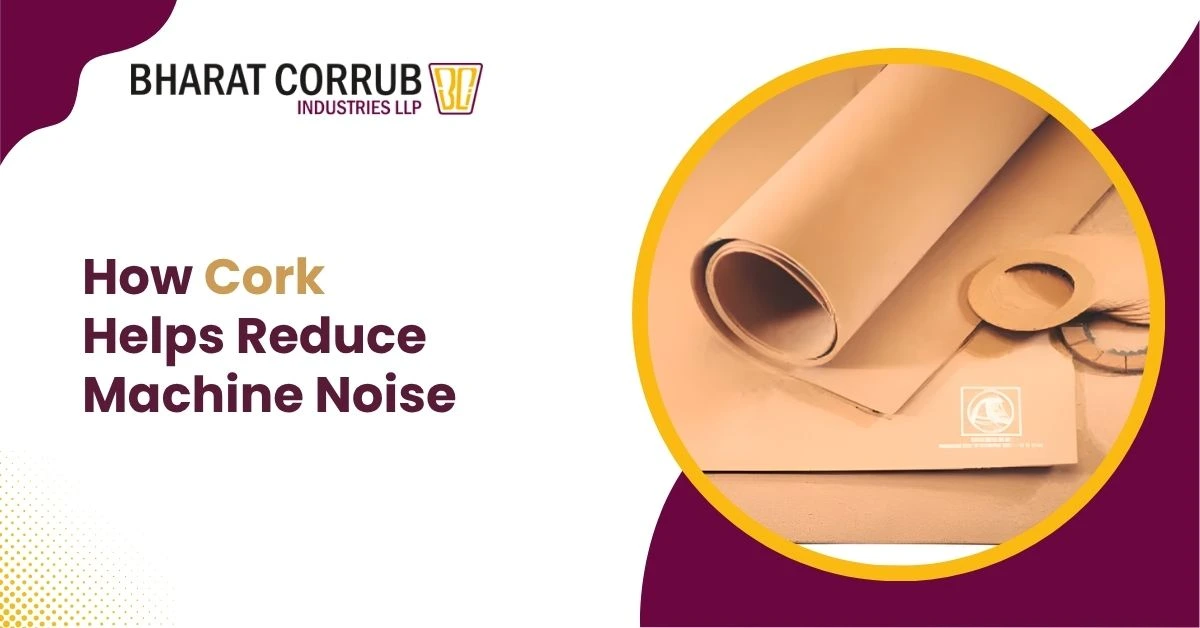
The material also contributes to smoother operation by minimizing the transfer of mechanical energy. Various Cork Sheet Uses include acoustic insulation, machine cushioning, transport flooring, and vibration-control systems where long-term performance and durability are important.

These characteristics support long-term equipment efficiency and workplace noise management.

Cork Sheets for Acoustic and Anti-Vibration Applications

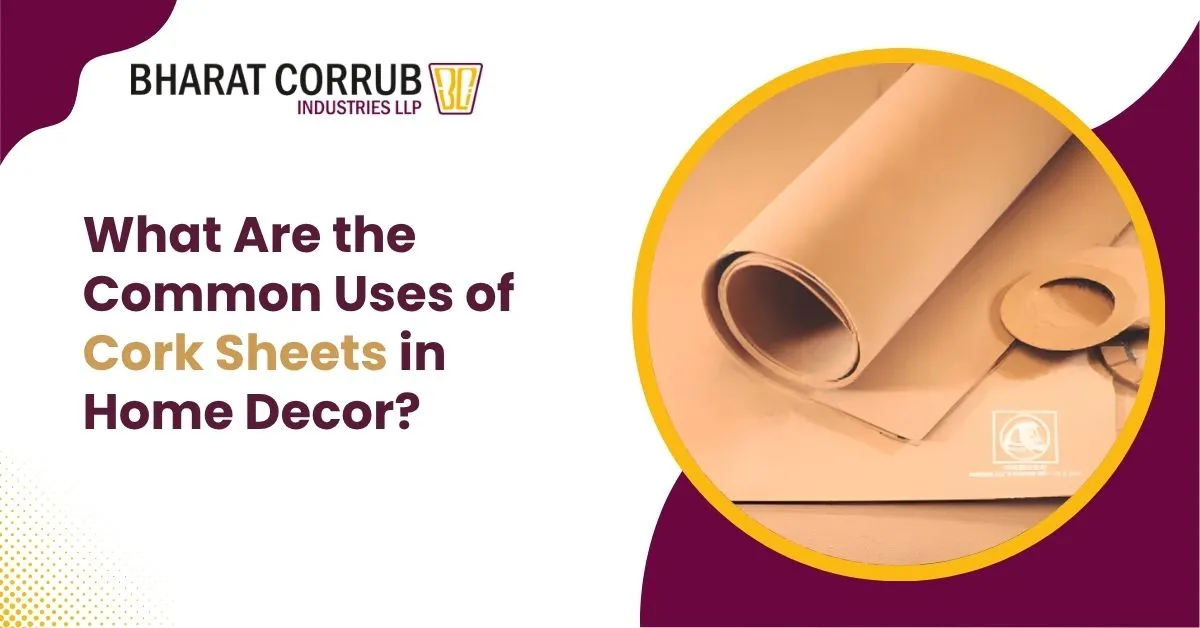
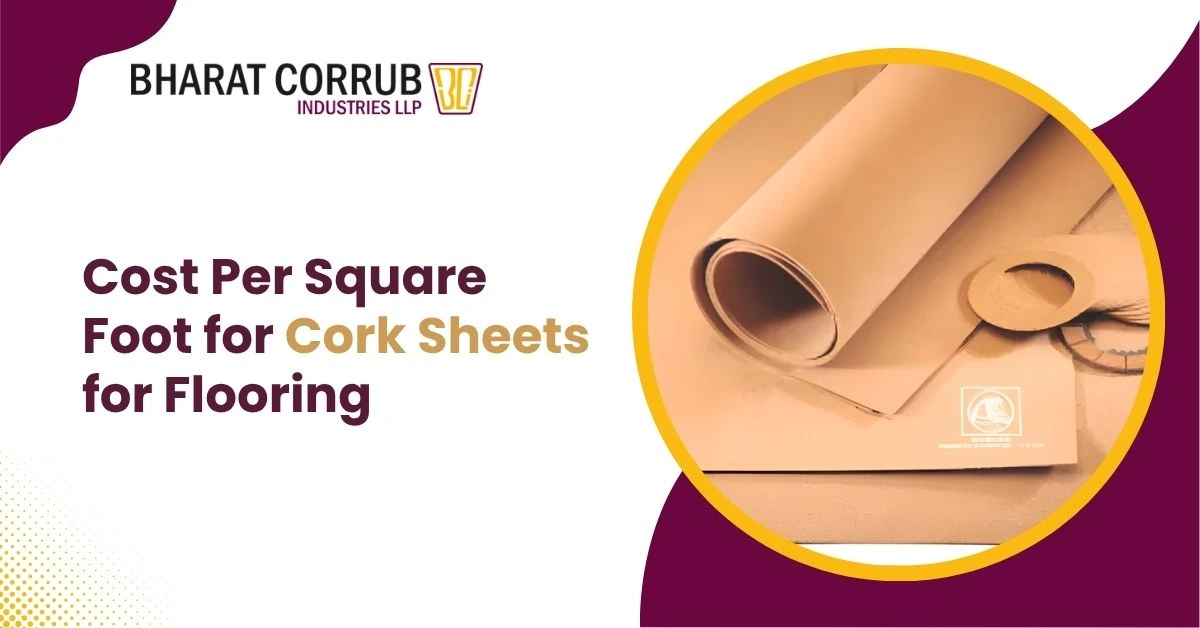
Plain Cork sheets are widely used in industries requiring vibration isolation and acoustic control. Their lightweight nature and compressibility make them suitable for flooring and machine-support applications.

Cork sheets are commonly used in:

  • Vehicle flooring
  • Railway and transport systems
  • Industrial flooring
  • Acoustic insulation systems
  • Machine cushioning applications

Their ability to reduce vibration improves not only sound control but also operational stability.

The use of Cork in flooring and machinery applications demonstrates its practical engineering value.

Engineering Advantages of Cork in Noise Control Systems

Industries prefer Cork because it combines several functional advantages within a single material.

These advantages include:

  • Minimal lateral flow
  • Dimensional stability
  • Long-term compressibility
  • Lightweight performance
  • Thermal insulation
  • Surface friction properties

Unlike heavier vibration-control materials, Cork provides efficient acoustic performance while remaining easy to install and handle.

Its durability and recovery capability support long-term industrial use.

Looking for effective vibration and acoustic insulation materials? Contact us to bring durable, high-quality cork solutions into your operations.

Cork and Sustainable Industrial Materials

Modern industries increasingly prefer materials that combine performance with sustainability.

Cork offers environmental advantages because it is:

  • Naturally renewable
  • Lightweight
  • Long-lasting
  • Efficient for insulation applications

These characteristics allow industries to use Cork while maintaining performance and reducing material-related environmental impact.

Its natural origin and engineering utility make Cork relevant for modern industrial systems.

Industrial Demand for Cork in Noise Reduction

The demand for quieter and more efficient machinery continues increasing across industrial sectors.

Industries seek materials that help:

  • Reduce workplace noise
  • Protect machinery
  • Improve vibration control
  • Lower maintenance concerns
  • Enhance operating efficiency

Material selection often depends on thickness, density, and industrial specifications, which may influence Cork Price and Cork Sheet Price considerations. However, industries typically evaluate long-term performance and vibration-control efficiency alongside cost.

Cork continues growing as a preferred material because it addresses these requirements through its acoustic and anti-vibration performance.

Its application range extends across transport, engineering, flooring, and industrial machinery sectors.

Frequently Asked Questions

Cork contains millions of microscopic air-filled cells that absorb vibration and reduce sound transmission. This natural structure helps dampen machine noise and improve acoustic insulation.

Cork is commonly used in machine bases, industrial flooring, transport systems, and vibration-control applications where noise reduction and cushioning are required. Many Cork Machine applications benefit from its vibration-damping performance.

Common Cork Sheet Uses include acoustic insulation, anti-vibration systems, flooring, clutch facings, machine cushioning, and engineering applications where compressibility and durability are important.

Yes. Cork not only absorbs sound but also reduces vibration transmission. This helps improve machine stability, protect surrounding structures, and lower mechanical stress.

Yes, Cork Price depends on material grade, density, dimensions, and industrial application requirements. Performance specifications often influence final selection.

Conclusion

Machine noise and vibration can influence operational efficiency, equipment life, and workplace conditions. Cork helps address these challenges through its natural cellular structure, vibration damping capability, and acoustic insulation performance.

From industrial flooring and machinery support to transport and engineering systems, Cork provides practical noise-control and vibration-management benefits. Its lightweight structure, compression recovery, and sound-dampening properties make it a dependable material for modern industrial applications.

As industries continue seeking efficient and quieter operations, Cork remains an effective and versatile solution for machine noise reduction.

Mehul Tolia is a Partner at Bharat Corrub Industries LLP (BCI), a leading manufacturer and exporter of cork and rubber cork products in India. With nearly a decade of experience, he has been a driving force behind BCI’s business development, product innovation, and process optimization initiatives. His leadership emphasizes quality, sustainability, and customer satisfaction, helping BCI strengthen its global presence. As a member of CII Young Indians (Yi) Vadodara, Mehul is passionate about fostering industrial growth and promoting innovation within the manufacturing sector.

Back To Top
WhatsApp chat