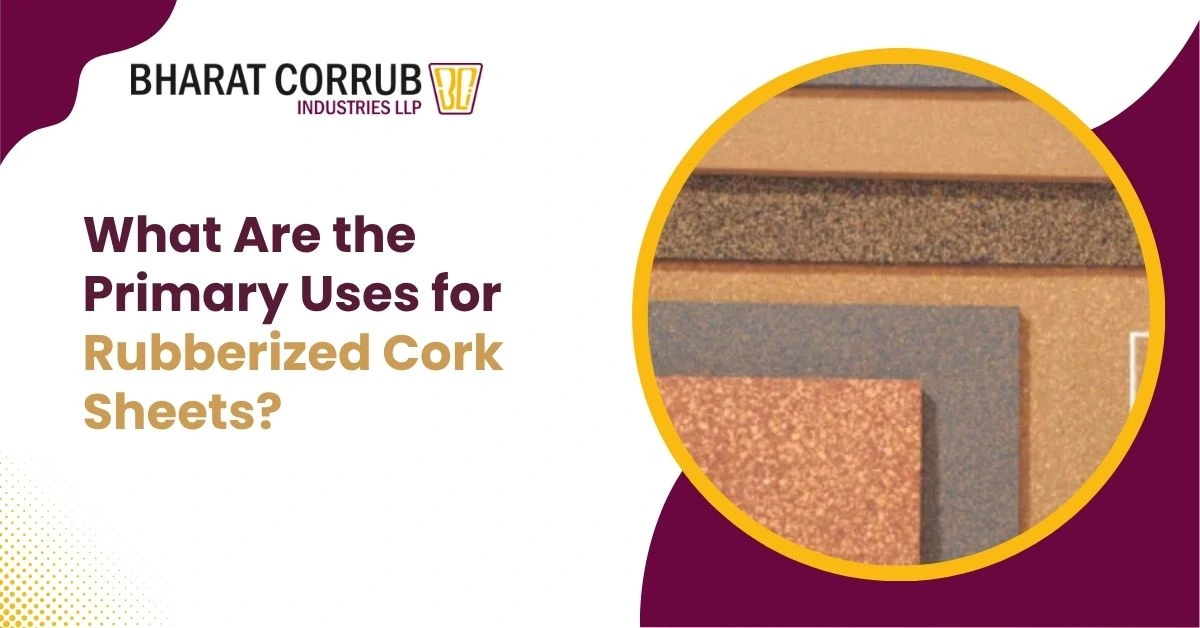
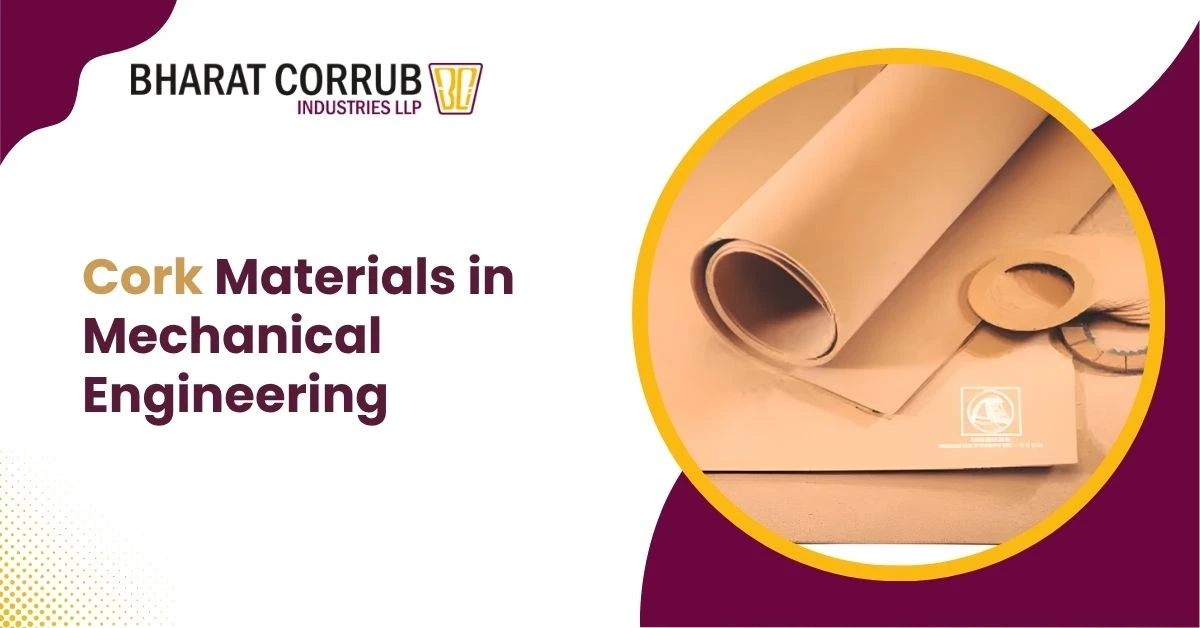
Selecting the right sealing and insulation material is essential for ensuring long-term performance in industrial…
Frequently Asked Questions
Rubber cork offers excellent resistance to oil, pressure, and environmental conditions, making it ideal for sealing and vibration damping in demanding industrial systems.
It is commonly used in pipelines, gaskets, valves, compressors, and storage systems where sealing and durability are required.
It reduces vibration, prevents leakage, and maintains consistent sealing, improving overall system efficiency and reliability.
Yes, rubber cork is designed to perform under varying temperatures, pressure, and exposure to oil and chemicals.
They provide strong sealing, vibration damping, and long-term durability, reducing maintenance and operational issues.
Yes, its durability and performance reduce maintenance costs and improve long-term efficiency, making it a cost-effective choice.
Conclusion
The oil and gas industry requires materials that can perform reliably under extreme conditions. From sealing and vibration control to resistance against chemicals and pressure, every aspect of material performance plays a critical role in maintaining efficiency and safety. Choosing the right material helps reduce operational risks and improve system reliability.
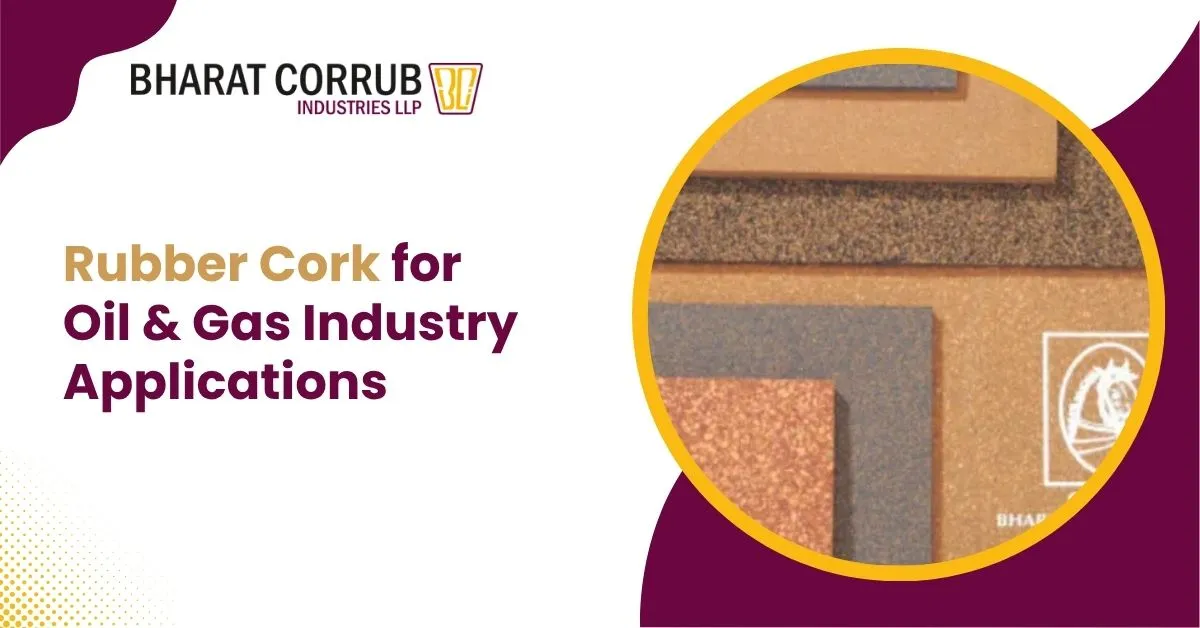
A Rubber Cork material offers a balanced combination of durability, flexibility, and resistance, making it an ideal solution for oil and gas applications. Its ability to maintain performance under challenging conditions ensures long-term efficiency and reduced maintenance. By selecting the right material, industries can achieve better performance and operational stability.

Related Posts