Skip to content
Industrial Applications of Cork in Electrical Transformers

Electrical transformers operate under demanding conditions where proper insulation, sealing, and vibration control are essential for reliable performance. Cork is widely used in Electrical transformer applications because of its natural compressibility, flexibility, and resistance to oil and temperature variations. These properties make it highly effective in maintaining stability and preventing operational issues.

In industrial environments, Cork plays a crucial role in improving transformer efficiency and durability. It helps reduce mechanical stress, ensures proper sealing, and enhances insulation performance. By using the right type of cork, industries can improve equipment reliability and reduce maintenance requirements over time.

What is Cork and Why it is Used in Electrical Transformers?

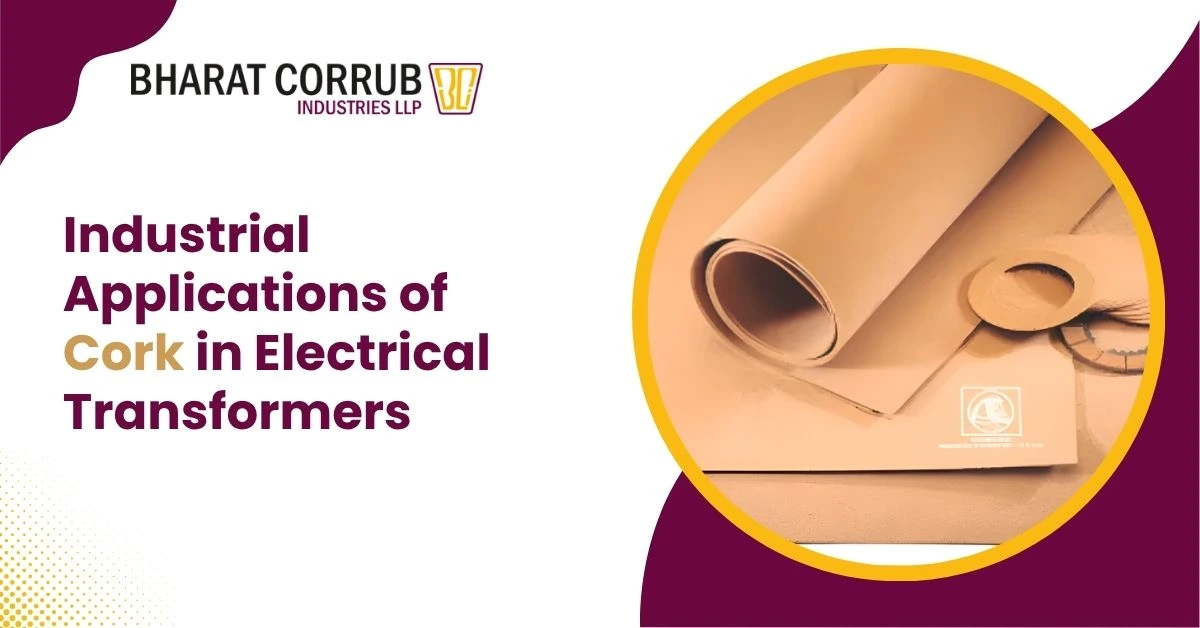
Cork is a natural material with a unique cellular structure that allows it to compress under pressure and return to its original shape. This flexibility makes it highly suitable for applications where sealing and cushioning are required. Its lightweight nature and resistance to environmental conditions further enhance its industrial usability.

In transformers, Cork is used because it provides multiple benefits such as insulation, vibration absorption, and sealing. It helps prevent oil leakage, reduces heat transfer, and minimizes mechanical vibrations during operation. These combined properties make cork a reliable and efficient material for transformer systems.

Why Cork is Used:

  • Excellent compressibility and recovery
  • Strong thermal and electrical insulation
  • Resistance to oil and chemicals
  • Effective vibration absorption
  • Long service life in industrial environments

Key Industrial Applications of Cork in Electrical Transformers

Cork is commonly used in transformer gaskets where tight sealing is required to prevent leakage of insulating oil. Its compressibility allows it to adapt to uneven surfaces, ensuring a secure seal even under pressure. This makes it highly effective in maintaining the integrity of transformer components.

Apart from sealing, Cork is also used for insulation and vibration control within transformer assemblies. It absorbs mechanical vibrations and reduces operational noise, while also acting as a thermal barrier. These applications improve both the performance and lifespan of transformer systems.

Main Applications:

  • Gaskets for sealing transformer tanks and joints
  • Insulation pads to reduce heat transfer
  • Vibration damping layers between components
  • Spacer materials for structural stability
  • Oil-resistant sealing elements

Important Properties of Cork for Transformer Use

The effectiveness of Cork in transformers depends on its key material properties such as elasticity, insulation capability, and resistance to oil. Its ability to compress and recover ensures consistent sealing performance over time, even under changing load conditions.

Additionally, Cork offers low thermal conductivity and good electrical insulation, which helps maintain safe operating conditions. Its durability and resistance to environmental factors make it suitable for long-term industrial applications without frequent replacement.

Key Properties:

  • High compressibility with recovery
  • Thermal and electrical insulation
  • Resistance to oil and moisture
  • Lightweight and durable structure
  • Effective vibration absorption

How Cork Improves Electrical Transformer Performance?

The use of Cork improves transformer performance by ensuring proper sealing and insulation throughout the system. It prevents leakage of insulating oil, which is essential for maintaining cooling and efficiency. This helps avoid energy loss and ensures consistent operation.

At the same time, Cork reduces vibration and mechanical stress within the transformer. This minimizes wear and tear on internal components, leading to longer equipment life. By improving both efficiency and durability, cork plays a vital role in transformer performance.

Looking to use high-quality Cork for electrical transformer applications? Contact us today for expert guidance and reliable industrial solutions.

Common Challenges in Transformers and How Cork Helps?

Transformers often face challenges such as oil leakage, excessive vibration, and thermal stress, which can affect performance and safety. Cork helps address these issues by providing effective sealing and insulation in critical areas of the system.

By using Cork, industries can reduce operational problems and improve system stability. Its ability to absorb vibration and maintain sealing under pressure makes it a practical solution for overcoming common transformer challenges.

Problems Solved by Cork:

  • Prevents oil leakage
  • Reduces vibration and noise
  • Improves insulation efficiency
  • Handles pressure variations
  • Enhances component durability

Selection Guide for Cork in Electrical Transformer Applications

Choosing the right Cork for electrical transformer applications requires careful evaluation of operating conditions such as temperature, pressure, and oil exposure. Selecting the correct type ensures that the material performs effectively and lasts longer in industrial environments.

Industries should consider factors like thickness, density, and composition when selecting Cork. A well-chosen material improves sealing performance, reduces maintenance needs, and ensures reliable operation of electrical transformer systems.

Selection Considerations:

  • Oil resistance compatibility
  • Thickness based on sealing needs
  • Density for load-bearing applications
  • Temperature tolerance
  • Compression and recovery performance

Maintenance and Longevity of Cork in Transformers

Proper maintenance is important to ensure the long-term performance of Cork in transformer systems. Although cork is naturally durable, regular inspection helps detect wear and maintain efficiency.

A well-maintained Cork component can perform reliably for extended periods without frequent replacement. Following correct installation and maintenance practices helps improve durability and reduces downtime in industrial operations.

Maintenance Tips:

  • Regular inspection for damage
  • Avoid over-compression
  • Keep surfaces clean
  • Replace worn-out material on time
  • Ensure proper installation

Frequently Asked Questions

The thickness depends on the pressure and gap size in the joint. Higher pressure applications usually require thicker Cork to ensure proper sealing without leakage.

Using the wrong Cork can lead to oil leakage, poor insulation, and increased vibration, which may reduce efficiency and cause long-term damage.

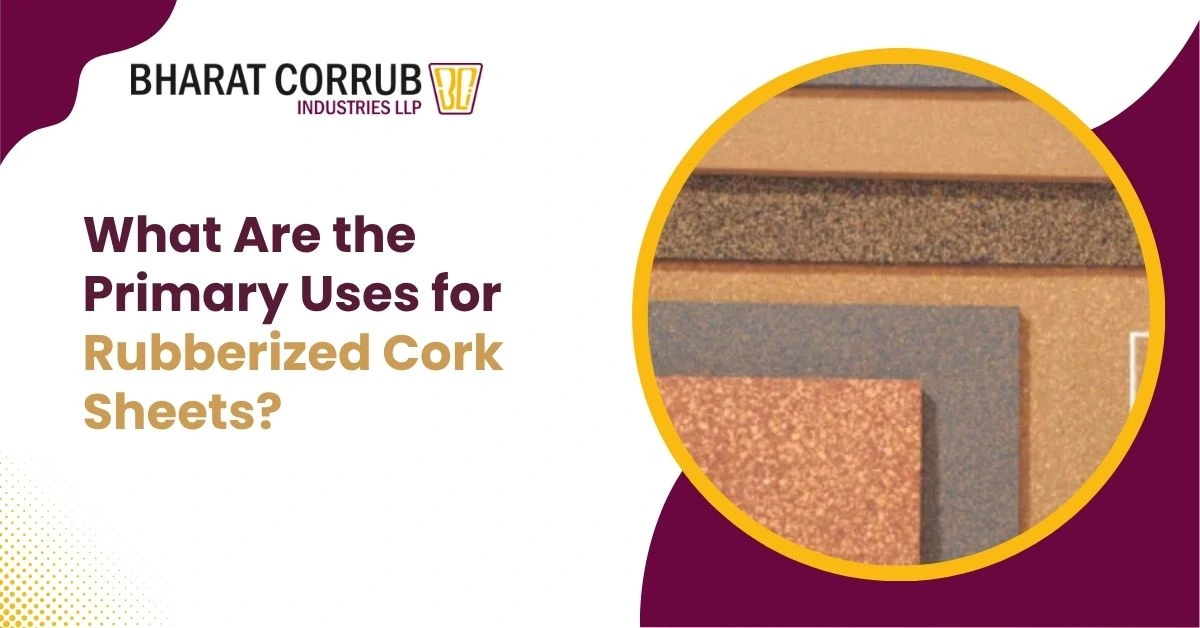
Yes, rubberized Cork is generally preferred because it offers better oil resistance, flexibility, and durability in industrial transformer conditions.

In most cases, Cork should not be reused because it loses its original compression properties, which can affect sealing performance.

Signs like leakage, visible cracks, loss of compression, or reduced sealing performance indicate that the Cork should be replaced.

Conclusion

The use of Cork in electrical transformers plays an important role in ensuring efficient and reliable operation. Its ability to provide sealing, insulation, and vibration control makes it a versatile material for industrial applications. By selecting the right type of cork, industries can improve performance and reduce maintenance issues.

Understanding the properties and applications of Cork helps in making better material decisions. A well-chosen cork solution not only enhances transformer efficiency but also ensures long-term durability and stability in demanding industrial environments.

Mehul Tolia is a Partner at Bharat Corrub Industries LLP (BCI), a leading manufacturer and exporter of cork and rubber cork products in India. With nearly a decade of experience, he has been a driving force behind BCI’s business development, product innovation, and process optimization initiatives. His leadership emphasizes quality, sustainability, and customer satisfaction, helping BCI strengthen its global presence. As a member of CII Young Indians (Yi) Vadodara), Mehul is passionate about fostering industrial growth and promoting innovation within the manufacturing sector.

Back To Top
WhatsApp chat